

Yes, the cleaning performance of a touchless car wash system is significantly influenced by its design. Key design factors include the water spray system, detergent application mechanism, mechanical structure, control system, and environmental performance. Below, we explore how each of these aspects impacts the overall cleaning effectiveness.
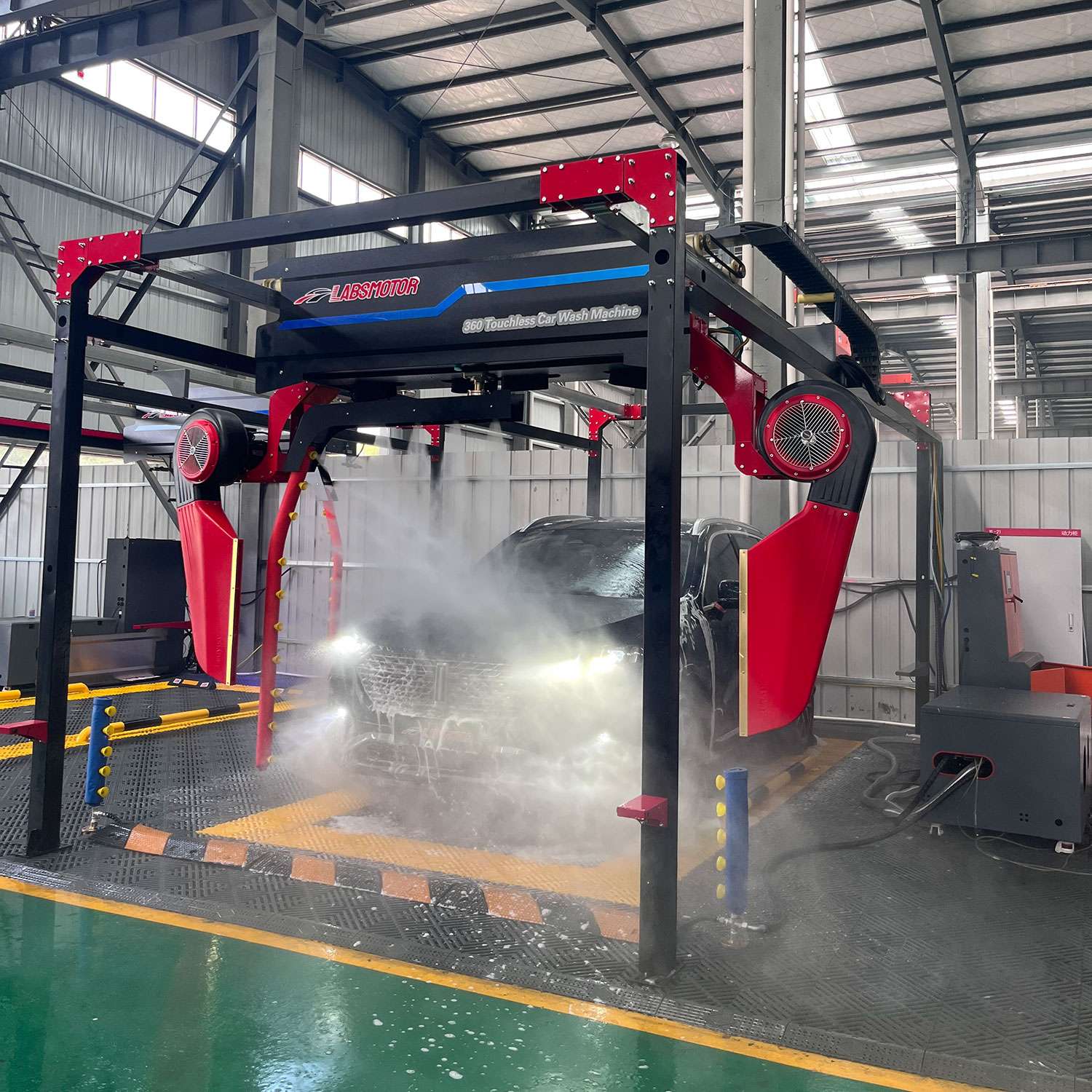
1. Water Spray System Design
The water spray system is one of the core components of a touchless car wash. Its design directly influences water pressure, coverage, and uniformity.
Water Pressure and Flow Rate: High water pressure helps remove dirt more effectively, but excessive pressure may damage the vehicle’s paint. Therefore, the design must strike a balance between cleaning power and paint protection. The flow rate, on the other hand, determines how much water is used per unit of time. Sufficient flow ensures that every part of the vehicle is thoroughly rinsed.
Nozzle Layout and Angle: The arrangement and angle of the nozzles determine whether water can cover the vehicle evenly. A well-planned nozzle layout helps avoid missed spots, ensuring complete coverage. The nozzle angles should also account for the curves and contours of the vehicle to effectively clean hard-to-reach areas.
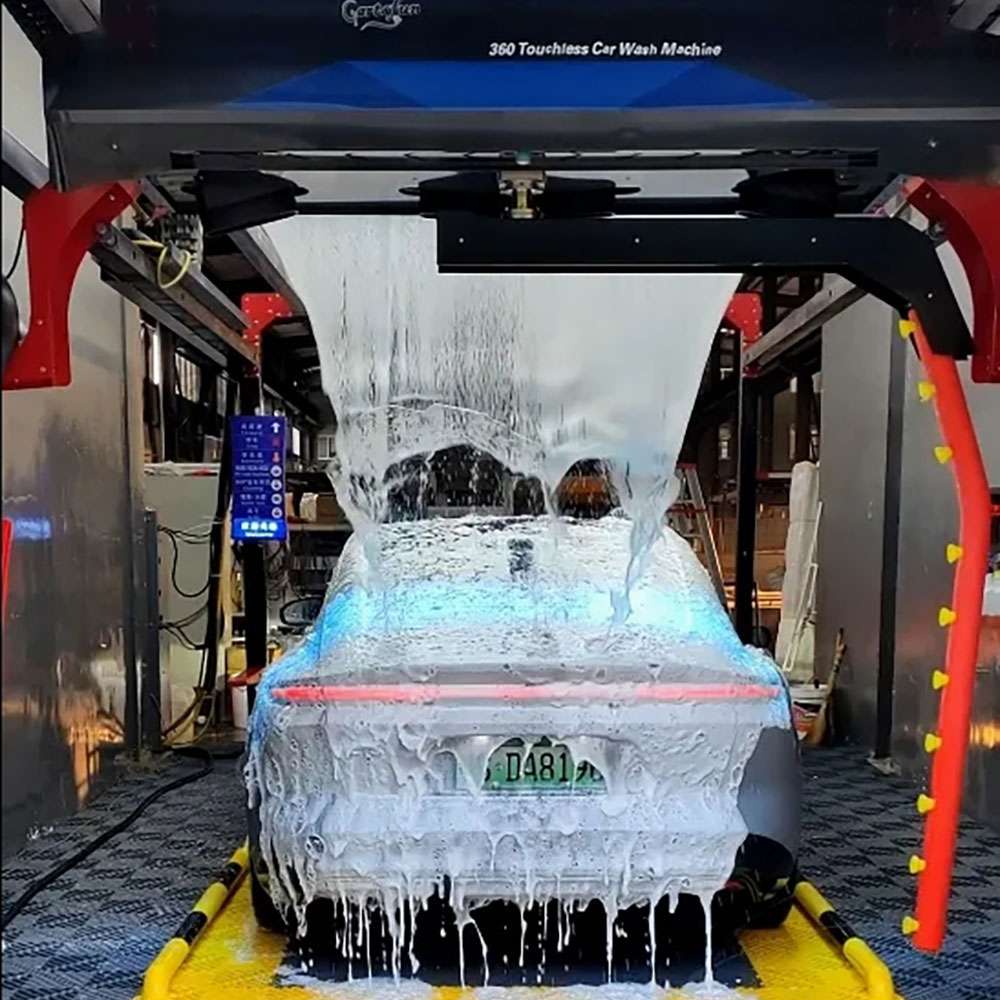
2. Detergent Application Design
The application of detergent is another crucial part of the touchless car wash process. Its design affects how evenly the detergent is distributed and how well it penetrates dirt.
Detergent Spray System: Detergent must be evenly applied across the vehicle’s surface using a dedicated spray mechanism. The system should ensure full coverage and allow the detergent to penetrate and loosen grime quickly.
Detergent Selection and Mixing Ratio: The type and concentration of detergent also impact cleaning results. Different detergents work better on different kinds of dirt. The design process should involve selecting the right detergent for common types of grime and optimizing the mixing ratio for the best performance.
3. Mechanical Structure Design
The mechanical structure influences the stability of the system and how user-friendly it is to operate.
Frame and Support Structure: The frame must be strong and stable enough to withstand the forces generated by high-pressure water and detergent spray. A robust structure ensures reliable and efficient long-term operation.
Fixed vs. Mobile Design: Touchless car wash systems can be fixed or mobile. Fixed installations, often used in dedicated car wash facilities, typically offer higher stability and cleaning performance. Mobile units provide greater flexibility for various locations and needs. The choice should align with the intended usage scenario.
4. Control System Design
The control system affects the ease of operation and the precision of the washing process.
Automation Level: Highly automated systems reduce the need for manual input and improve efficiency. Automated controls can precisely manage water pressure, flow rate, detergent spraying, and other parameters to ensure consistent cleaning results.
User Interface and Ease of Use: The user interface should be simple and intuitive, allowing operators to start using the system with minimal training. User-friendly operation increases efficiency and reduces the chance of errors.
5. Environmental Performance Design
Environmental considerations affect the sustainability of the system and its ecological impact.
Water Usage Efficiency: Efficient water use helps minimize waste. For example, incorporating a water recycling system allows repeated use of wash water, reducing overall consumption.
Eco-Friendly Detergents: Choosing biodegradable and environmentally safe detergents helps reduce pollution. Design considerations should include the biodegradability of detergents and their potential impact on water quality.
6. Other Design Factors
Several additional design elements can also influence cleaning performance.
Noise Control: Car wash systems generate noise during operation. Thoughtful design can help reduce noise levels, improving the comfort of both operators and customers.
Safety Design: The system must include adequate safety features to prevent harm to the vehicle or operators. Examples include emergency stop buttons and protective guards.
Get In Touch With Us




 English