

Chapter 1: Introduction — Why Is a Car Wash System Crucial for 4S Dealerships?
In today’s highly competitive automotive service industry, the car wash system within a 4S dealership is no longer a secondary or optional facility—it is a core component of the customer experience and a direct reflection of brand perception. A subpar wash can undermine trust, while a consistently excellent one solidifies the premium image the dealership strives to project.
Beyond Just Clean Cars: A Key Link in the Value Chain
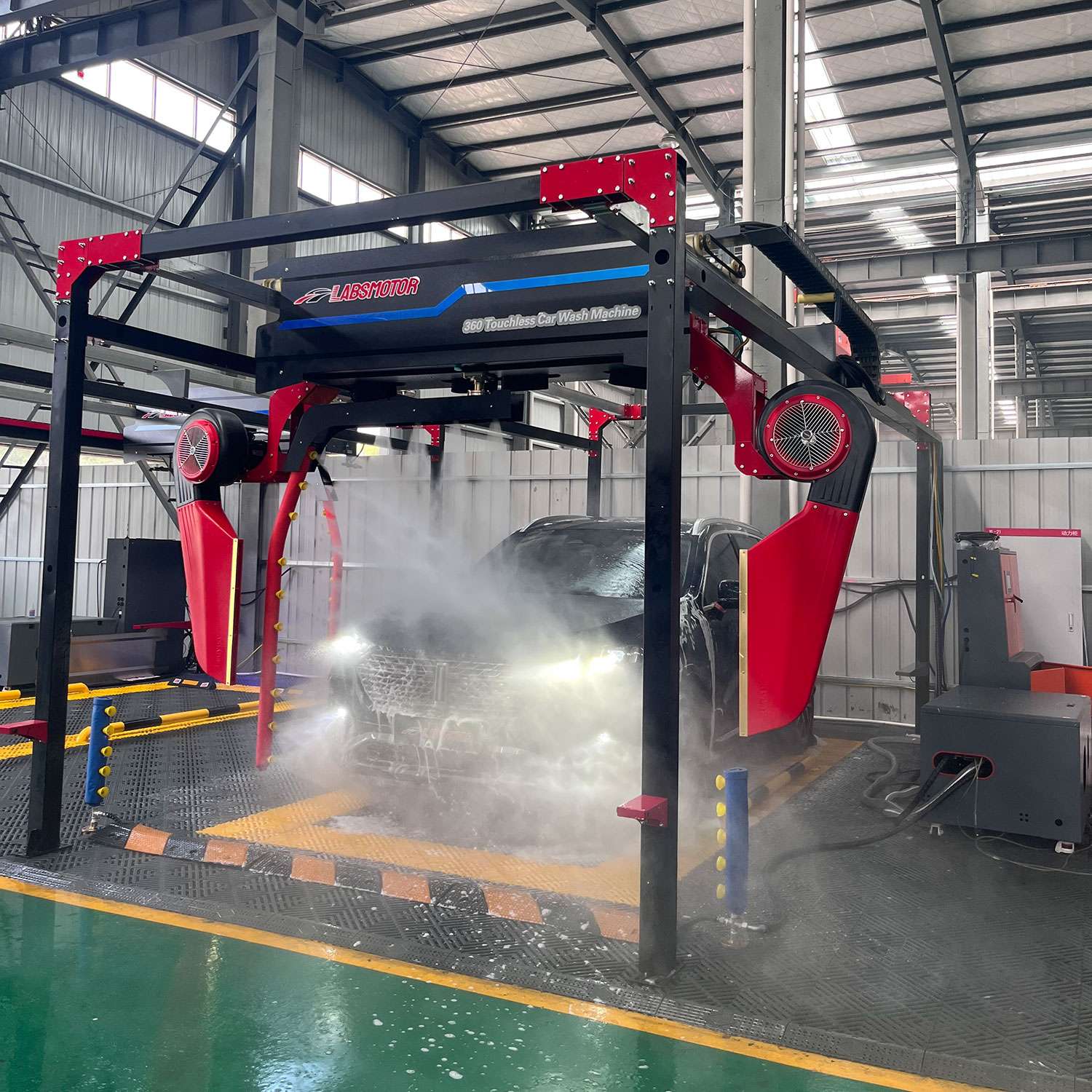
Car washing has evolved far beyond a simple pre-delivery cleaning task. It is now an essential, recurring touchpoint across the entire customer journey, directly influencing satisfaction and loyalty.
Pre-sale: A clean, shiny test-drive vehicle isn’t just about aesthetics; it sets a powerful psychological tone for a premium, trustworthy purchasing experience. It allows the customer to envision the car as their own, fresh from the showroom.
Aftersales: Complimentary washes after routine maintenance or repairs are not just a “freebie.” They dramatically improve the perceived value of the service, making customers feel valued and encouraging repeat business. A customer receiving a clean car feels the service was more thorough and complete.
Delivery: The moment of new car delivery is highly emotional. A sparkling, flawlessly prepared vehicle enhances this milestone, creating a powerful, positive first impression and reinforcing the customer’s decision. It shows the dealership’s commitment to excellence from day one.
Ultimately, a well-maintained and professionally washed car acts as a silent salesperson, speaking volumes about the dealership’s meticulous attention to detail and unwavering commitment to quality in every aspect of its operation.
Challenges and Opportunities
Challenges:
High Volume: Many large dealerships need to process dozens or even hundreds of cars per day, including those from PDI, routine maintenance, and dedicated detail services, placing immense pressure on throughput.
High Expectations: Modern customers, especially those owning luxury vehicles, expect and demand scratch-free, showroom-level results every single time. Mediocrity is not tolerated.
Operational Efficiency: Time is extremely limited, particularly during peak hours and at the end of the day when customers are waiting to collect their vehicles. Bottlenecks in the wash process can cause significant operational delays.
Environmental Regulations: There is increasing pressure from local and national regulations to significantly reduce water consumption and manage chemical runoff, demanding more sustainable practices.
Opportunities:
Delivering exceptional, consistent wash services is a proven method to improve customer retention and foster long-term loyalty, turning one-time buyers into lifelong clients.
A professional, visible washing setup can serve as a powerful marketing tool, helping to boost aftersales revenues by attracting customers who specifically seek premium car care.
Strategic investment in advanced washing systems can transform a cost center into a new, vibrant profit center, offering specialized wash packages, paint protection services, and subscription models.
Chapter 2: Strategy First — Define Your Objectives and Analyze Needs
Before selecting a single piece of equipment or laying out your wash bay, achieving strategic clarity is absolutely essential. Rushing this stage leads to costly mismatches between your investment and your operational reality.
Self-Assessment: Know Your Business Inside and Out
Volume Analysis: Conduct a detailed audit. How many cars do you process daily and weekly? Break this down by PDI (pre-delivery inspection), routine maintenance services, and premium detail work. Forecast future growth to ensure scalability.
Service Style Definition: Are you aiming for fast, basic cleans for high-volume throughput, or are you a premium/luxury brand where customers expect and will pay for paint-safe, meticulous detailing? Your brand positioning dictates your service level.
Space & Budget Realities: Precisely measure the available area, considering ceiling height, drainage, and entry/exit points. Honestly assess your investment capacity, factoring in not just purchase but installation, training, and ongoing operational costs. Define clear ROI expectations and a realistic payback period.
Defining Your Strategic Priorities
Efficiency-First Strategy: Ideal for high-volume, mass-market dealerships where speed and throughput are the most critical metrics. This approach prioritizes full automation, tunnel systems, and minimizing labor per vehicle.
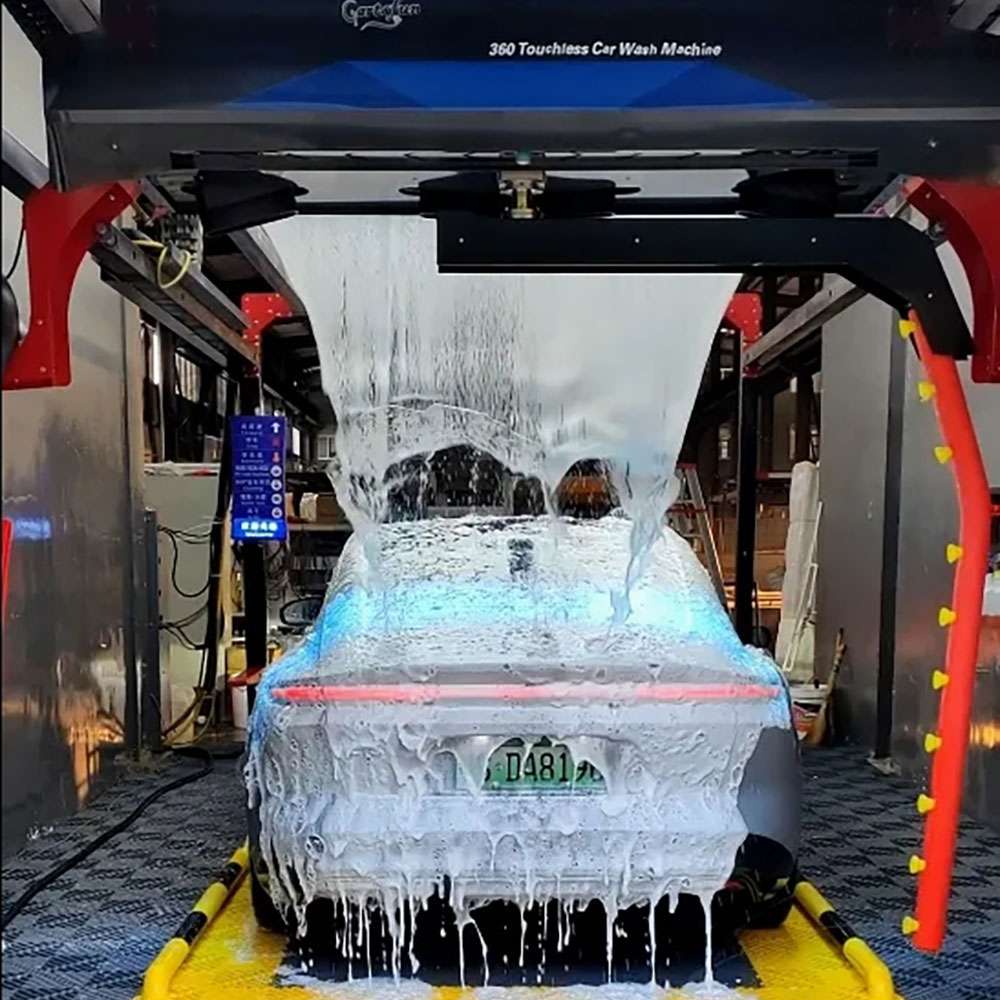
Quality-Oriented Strategy: Essential for luxury and premium brands where customers expect flawless, scratch-free finishes. This path focuses on advanced touchless systems, gentler chemicals, and potentially more manual detailing stages to achieve perfection.
Balanced Approach: The most common strategy for many dealerships. It aims to provide efficient and cost-effective service while consistently maintaining a high-quality, brand-appropriate finish, often using a mix of automated and manual processes.
Chapter 3: Equipment Selection — Choose the Right Tools for the Job
A dealership’s car wash system is not a one-size-fits-all purchase. It must be a tailored solution, perfectly aligned with its operation size, brand positioning, and strategic service goals.
In-Depth Comparison of Main Equipment Types
Tunnel-Type Car Wash Systems
Pros: Unmatched speed (processing 60–120 cars/hour), requires minimal labor, provides an impressive and immersive customer experience that reinforces a high-tech brand image.
Cons: Very high upfront cost and installation complexity, requires significant and dedicated floor space, may not be suitable for oversized vehicles like large SUVs or trucks without customisation.
Best For: High-traffic, large-scale dealerships with substantial daily volume and space to spare.
Touchless (Overhead Gantry) Systems
Pros: No physical contact with the vehicle’s paint, making it inherently safer for preventing swirls and scratches. Requires a relatively lower initial investment and less space than a tunnel.
Cons: Heavily reliant on the chemical cleaning action, which can be more expensive over time. Its cleaning power on heavily soiled or caked-on dirt may be slightly lower than advanced brush systems.
Best For: Medium-volume stores, and especially those handling high-end or exotic vehicles where paint integrity is the paramount concern.
Reciprocating Gantry Systems
Pros: Compact footprint, highly flexible investment options (can start basic and upgrade), and relatively easy to set up and integrate into existing spaces.
Cons: Lower throughput compared to tunnel systems as the machine cleans one car at a time, creating a natural bottleneck during peak periods.
Best For: Small to mid-size dealerships with moderate volume, or as a dedicated backup line in larger facilities to ensure continuity during maintenance of the primary system.
Key Subsystems and Supporting Configurations
Water Recycling and Filtration: Vital for both environmental sustainability and long-term cost control. Modern closed-loop systems should achieve at least 85% water recycling, drastically reducing water bills and sewer discharge fees.
Pre-Wash Zone:
High-pressure washers with appropriate PSI (pressure) and flow rate to blast off initial dirt without damaging paint or trim.
Advanced foam delivery systems (like Professional PA Foam Cannons) are crucial for applying thick, clinging foam that encapsulates and lifts dirt, minimizing friction and the risk of scratching during the main wash.
Chemical Selection:
Use pH-neutral shampoos for everyday cleaning to protect wax, sealants, and sensitive materials.
Include a range of specialty products like iron removers (for brake dust), tar removers, and high-gloss tire dressings to handle any situation and deliver a superior finish.
Drying Technology:
High-powered, focused air blowers are essential for reducing physical contact with the paint surface, saving labor time, and eliminating water spots.
Auxiliary Equipment:
Don’t overlook interior extractors, professional steamers for engine bay and interior sanitization, carpet cleaners, and bright, shadow-free LED lighting systems for meticulous detail work. These tools enable premium service upgrades.
Chapter 4: Layout & Workflow Design — Build a Seamless Car Wash Line
A thoughtfully streamlined layout is the backbone of operational efficiency, ensuring a smooth vehicle flow, minimizing wait times, and preventing workplace accidents.
Functional Zoning with the “Golden Triangle” Layout
This concept minimizes movement and confusion:
Reception & Vehicle Intake Area: For initial inspection, damage logging, and handing over to the wash team.
Pre-Wash & Preparation Bay: Dedicated space for high-pressure rinsing and foam application to loosen major grime.
Main Wash Zone: Where the primary automated or manual wash takes place.
Detailing, Drying & Finishing Area: A well-lit, clean space for final touch-ups, blow-drying, and interior vacuuming.
Final Inspection & Delivery Zone: The last point of quality control before the car is returned to the customer.
Key Principle: Enforce a strict one-way vehicle flow to avoid congestion, reverse-moving hazards, and workflow confusion. The path from dirty to clean should be linear and logical.
Establishing Standard Operating Procedures (SOP)
Example: Comprehensive 8-Step Wash Process
Vehicle inspection and digital damage logging (using tablets for record-keeping).
High-pressure pre-rinse to remove loose contaminants.
Foam pre-wash application and dwell time to loosen bonded dirt.
Main wash (executed by automated system or trained staff using the two-bucket method).
Focused detail brushing of grilles, emblems, window trim, and wheels with dedicated tools.
Thorough final rinse with spot-free, filtered water.
Efficient blow-dry followed by a final buff with clean, premium microfiber towels.
Interior vacuum, wipe-down, and final quality inspection before delivery.
Crucially, offer different, clearly defined SOPs for standard and premium washes. This tiered approach matches customer needs to service level and allows for appropriate pricing, maximizing revenue potential.
Chapter 5: Staff Training and Safety Management
Technology is only as good as the people operating it. Continuous training and an unwavering focus on safety are non-negotiable for a high-functioning workshop.
Essential Training Areas
Equipment Operation and PM: In-depth training on daily operation, routine preventive maintenance (lubrication, sensor checks), and basic troubleshooting to minimize downtime.
Scratch-Free Washing Techniques: Educate staff on the physics of scratching, proper use of the two-bucket method, safe mit and microfiber towel handling, and how to avoid instilling swirl marks.
Chemical Handling and Dilution Ratios: Train on the safe handling, proper dilution (using calibrated dispensers), and specific application of each chemical to ensure efficacy and cost-control.
Quality Control and Customer Service: Instill a pride of workmanship. Staff should understand the “why” behind each step and how to interact professionally with customers who may have questions.
Comprehensive Safety Protocols
Ensure all staff know the location and immediate use of all emergency stop switches on every piece of equipment.
Invest in anti-slip flooring and ensure all drainage is clear and functional to prevent slip-and-fall hazards.
Conduct mandatory training on the safe use of high-pressure systems (risk of injection injuries) and all aspects of electrical safety in a wet environment.
Safety and professionalism are intrinsically linked; one cannot exist without the other in a modern 4S wash operation.
Chapter 6: Budgeting and ROI Analysis
A clear financial model is critical for justifying the investment and managing the operation successfully.
Initial Investment Components
Core Equipment: Purchase & installation of the main wash system (tunnel, gantry, etc.).
Civil Modifications: Any necessary construction, plumbing, electrical upgrades, floor sealing, and drainage work.
Ancillary Equipment: Cost of dryers, water recycling units, foam cannons, etc.
Initial Stock: First purchase of chemicals, microfibers, brushes, and other consumables.
Ongoing Operational Costs
Utilities: Water (even with recycling), electricity, and gas.
Consumables: Regular replenishment of shampoo, wax, sealants, towels, and detailing supplies.
Labor: Wages and benefits for the wash team.
Maintenance: Scheduled servicing, parts replacement, and unexpected repairs.
Diverse Revenue Streams
Direct Revenue: Chargeable express and premium wash packages for retail customers, standalone detailing services.
Indirect Revenue:
Enhanced customer satisfaction leading to higher service retention and loyalty.
Cross-selling opportunities identified during the wash (e.g., recommending paint protection coatings, polish services, or accessory installation).
A consistently clean fleet of service loaners and demo cars improves the overall brand image.
ROI Timeline: A well-run operation typically aims for a 1–3 year payback period on the direct investment. The long-term, cumulative indirect benefits—such as increased customer lifetime value—continue to accrue for years afterward, solidifying the wash bay’s role as a strategic asset.
Chapter 7: Future Trends and Upgrade Suggestions
Staying ahead of the curve ensures long-term competitiveness and operational superiority.
Smart Technology Integration
Integrate the wash system directly with your Dealer Management System (DMS) for auto-generated wash orders upon service check-in, eliminating manual tickets.
Implement digital dashboards in the customer waiting area to display real-time wash progress, significantly reducing perceived waiting time and customer anxiety.
Sustainability and Green Practices
Invest in advanced water-saving technologies like more efficient reverse osmosis systems and nozzle technologies.
Proactively shift to biodegradable, low-impact, and VOC-compliant cleaning agents to meet future regulations and appeal to eco-conscious clients.
Diversified and Value-Added Services
Incorporate AI-powered paint inspection systems that automatically detect and document micro-scratches, swirls, or dings during the wash process.
Use this technology to auto-generate professional inspection reports post-wash, providing tangible evidence to support upsells for paint correction, protection films, or bodywork repairs, directly driving additional revenue.
Get In Touch With Us




 English