

In the fast-paced world of public transportation and commercial fleet management, first impressions matter. A clean bus isn’t just about company branding; it’s about passenger comfort, safety, and preserving the asset value of your vehicles. However, keeping an entire fleet spotless can be a logistical nightmare if you are relying on manual labor or outdated equipment.
This is where automated bus wash systems come into play. Specifically, drive-through bus wash machines offer a seamless blend of speed, consistency, and efficiency. But with several technologies and configurations available, how do you ensure you’re investing in the right equipment for your specific depot? This guide breaks down the essential factors to consider when choosing a drive-through bus wash system.
1. Understanding the Basics of Drive-Through Bus Wash Systems
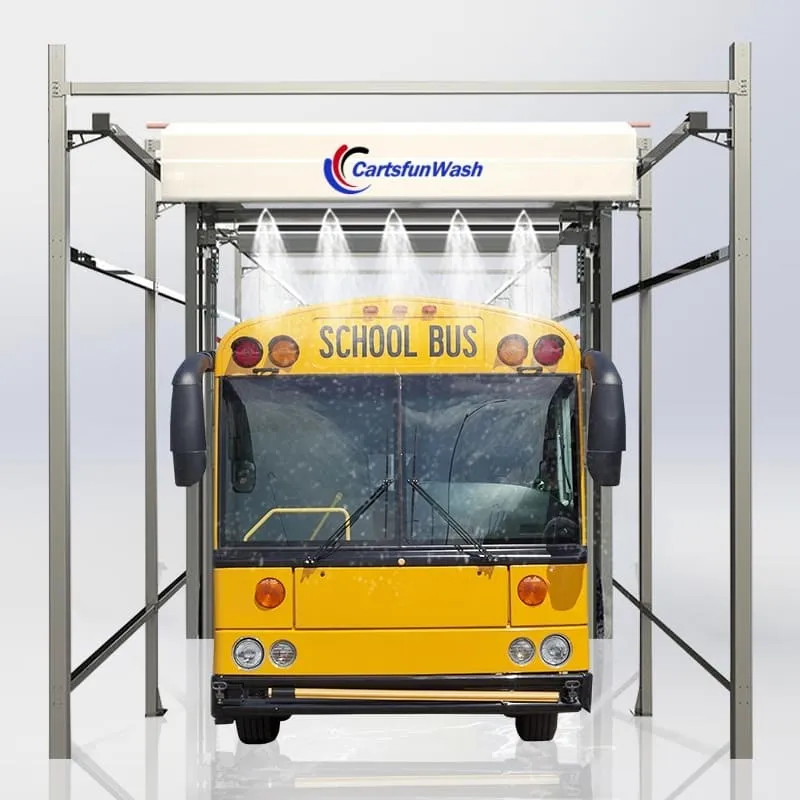
Before diving into the specifications, it’s important to understand what a drive-through (or drive-thru) bus wash system actually does. Unlike gantry systems that move around a stationary vehicle, a drive-through system requires the bus to drive slowly through a designated washing bay while stationary arches and side brushes activate to clean the vehicle.
These systems are designed to automate the heavy lifting of fleet cleaning. They drastically cut down on manual labor while providing uniform, repeatable results. A typical setup includes a combination of high-pressure pre-soak arches, side brushes, top brushes, and final rinse and wax applications. Many modern systems also integrate advanced drying mechanisms to ensure buses leave the wash bay road-ready, preventing water spots and improving safety.
2. Assessing Your Depot’s Space and Layout Requirements
One of the first physical realities you’ll face is space. A drive-through system requires a straight, unobstructed path through the wash bay. You need to conduct a thorough site survey of your depot.
Measure the exact dimensions of your proposed wash bay, paying close attention to the height clearance (for roof-mounted air conditioning units), width, and overall length of the wash tunnel. It’s not just about fitting the equipment; you must account for the approach and exit areas. Do you have enough space for buses to queue without blocking other depot traffic? Will the system’s layout cause bottlenecks during shift changes when multiple buses need cleaning? Considering the flow of your depot layout is critical to ensure the investment improves efficiency rather than hindering it.
3. Analyzing Wash Efficiency and Daily Operational Needs
Efficiency is the name of the game. When evaluating different models, you need to match the machine’s output to your daily workload.
Consider your peak cleaning times. How many buses need to be processed per hour? A high-efficiency system with fast cycle times is essential for large fleets to prevent backlogs. Look at the technology behind the automation. Can the system handle different bus sizes (from minibuses to articulated coaches) without manual adjustments? The right system will integrate seamlessly into your operations, providing a quick wash that allows drivers to return to their routes immediately, saving valuable time and reducing the operational costs associated with downtime.
4. Comparing Wash Methods: Brush vs. Touchless Technology
The core of your decision will likely come down to the cleaning method. Both brush and touchless systems have loyal followings in the vehicle wash industry, and the right choice depends on your priorities regarding paintwork care and dirt removal.
Brush Wash Systems:
These systems utilize soft foam or cloth brushes that rotate to make physical contact with the bus surface. They are incredibly effective at agitating and removing stubborn road film, caked-on mud, and grime. Modern brush technology has advanced significantly; closed-cell foam brushes are designed to encapsulate dirt particles, preventing them from scratching the paint. However, maintenance is key. Brushes must be kept in good condition to prevent wear on the vehicle’s clear coat.
Touchless (High-Pressure) Wash Systems:
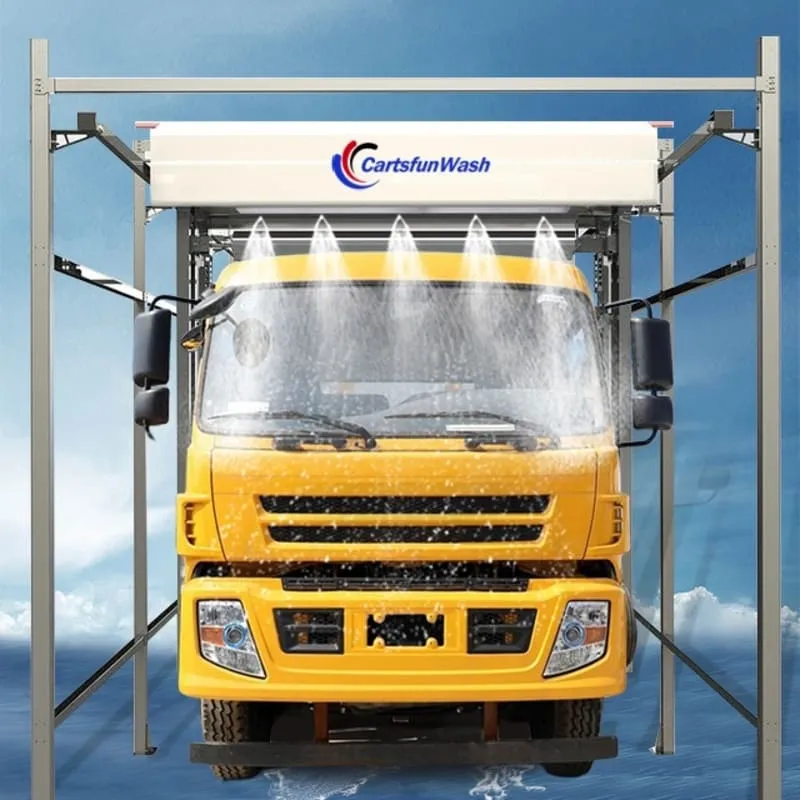
As the name suggests, touchless systems rely on high-pressure water jets and specialized chemicals to blast dirt away from the surface. This method is the safest for delicate paint finishes and eliminates any risk of brush marring. It is also excellent for cleaning intricate areas like mirrors and ladder rungs that brushes might miss. The trade-off is that touchless cleaning relies heavily on chemistry and water pressure; you may need a more sophisticated water treatment system and a higher volume of cleaning agents to achieve the same level of shine as a brush system, particularly on heavily soiled vehicles.
Weighing the pros and cons of each method will help you determine which best meets your depot’s specific needs.
5. Considering Environmental Factors and Water Recycling
Sustainability is no longer just a buzzword; it’s a regulatory and financial reality. Operating a bus wash machine consumes significant water, which is why environmental considerations are paramount in the purchasing process.
Opting for a bus wash system that incorporates a water recycling system can drastically cut your utility bills and reduce your depot’s environmental footprint. These systems capture, filter, and treat the runoff water, allowing it to be reused for multiple washes. This is particularly beneficial in areas with water usage restrictions or high sewer costs. Furthermore, look for systems compatible with eco-friendly soaps and biodegradable cleaning agents. Investing in green technology not only enhances your corporate social responsibility profile but can also lead to long-term savings on water and chemical procurement.
6. Focusing on Durability and Maintenance Costs
A bus wash machine is a significant capital investment, so focusing on durability is essential for a healthy return on investment. You need a machine built to withstand the harsh depot environment and the daily grind of heavy-duty vehicles.
Investigate the construction materials. Is the frame hot-dip galvanized to resist rust? Are the electrical components sealed against moisture? A robust build quality reduces the frequency of breakdowns. Equally important is the maintenance cost and the manufacturer’s support network. How easy is it to source spare parts? Does the supplier offer training for your maintenance team? A system that is easy to service and has readily available components will minimize downtime, ensuring your fleet stays clean without unexpected financial surprises.
7. Summarizing Key Factors for Your Final Decision
Choosing the right drive-through bus wash system is a balancing act between physical constraints, cleaning performance, and long-term financial planning. It requires a comprehensive analysis of your depot’s specific requirements.
To summarize, your final decision should be based on:
Space: Will it physically fit and allow smooth traffic flow?
Speed: Can it handle your peak volume of buses per hour?
Method: Do you prioritize the gentle action of touchless or the scrubbing power of brushes?
Sustainability: Can the system reduce water usage and utilize eco-friendly chemicals?
Build Quality: Is it durable enough for daily use, and is maintenance manageable?
By carefully weighing these factors, you can make an informed choice that enhances your fleet maintenance routine. Taking the time to choose wisely will lead to a consistently cleaner, more professional, and reliable bus service for years to come.
Get In Touch With Us




 English