

With the continuous growth of vehicle ownership, the car wash service market is undergoing diversified development. Different customer segments—including car wash chains, independent car washes, automotive 4S dealerships, self-service car wash points, and corporate fleet services—have significantly distinct requirements for car wash equipment. For manufacturers, achieving precision alignment with these differentiated needs is the core of enhancing market competitiveness. This demands that manufacturers go beyond offering standalone equipment, building a comprehensive capability that spans product design, solution development, and full lifecycle service.
I. The Distinct Characteristics of Customer Demands
The business models, site conditions, budget levels, and service objectives of different customer groups vary, resulting in highly specific equipment needs:
Car Wash Chains: Demand for Standardization and Intelligence
Chain brands prioritize service consistency, maximum operational efficiency, and digital management. Their core needs include: standardized equipment configurations to ensure a uniform service experience across all locations; intelligent management systems that support IoT monitoring and remote diagnostics for centralized data and equipment status oversight; high-capacity tunnel or in-bay automatic systems; and customizable aesthetics (e.g., branding, colors) to reinforce brand identity.
Independent Car Washes: Demand for Cost-Effectiveness and Ease of Use
With limited budgets, independent operators focus on cost control and ease of operation. They typically favor affordable, economical equipment, such as compact gantry systems or manual tools like pressure washers and foam applicators. They seek equipment with simple structures and low failure rates to minimize maintenance costs, along with intuitive interfaces for quick staff training. Additionally, equipment dimensions must be flexible enough to fit narrow or irregularly shaped spaces.
Automotive 4S Dealerships: Demand for High-End Quality and Experience
Centered on “premium service,” 4S dealerships require equipment that aligns with their brand positioning. Their core needs include: specialized equipment for new car preparation or VIP clients, such as touchless wash systems, interior steam deep-cleaning systems, and integrated waxing and coating applicators; equipment with sleek, minimalist aesthetics that complements showroom décor; and professional training from manufacturers to ensure staff can expertly operate advanced features to elevate service quality.
Self-Service Car Wash Points: Demand for Unattended Operation and Durability
Self-service sites rely on a “24/7 unattended” model, leading to core needs such as: intelligent payment systems supporting QR code and card swiping, with integration capabilities for third-party platforms; remote monitoring systems offering real-time fault alerts and consumable level reminders; weather-resistant designs for outdoor environments, including waterproofing, freeze protection, and rust prevention; and exceptionally low failure rates to minimize manual maintenance and effectively control operational costs.
Corporate Fleet Services: Demand for Customization and Bulk Solutions
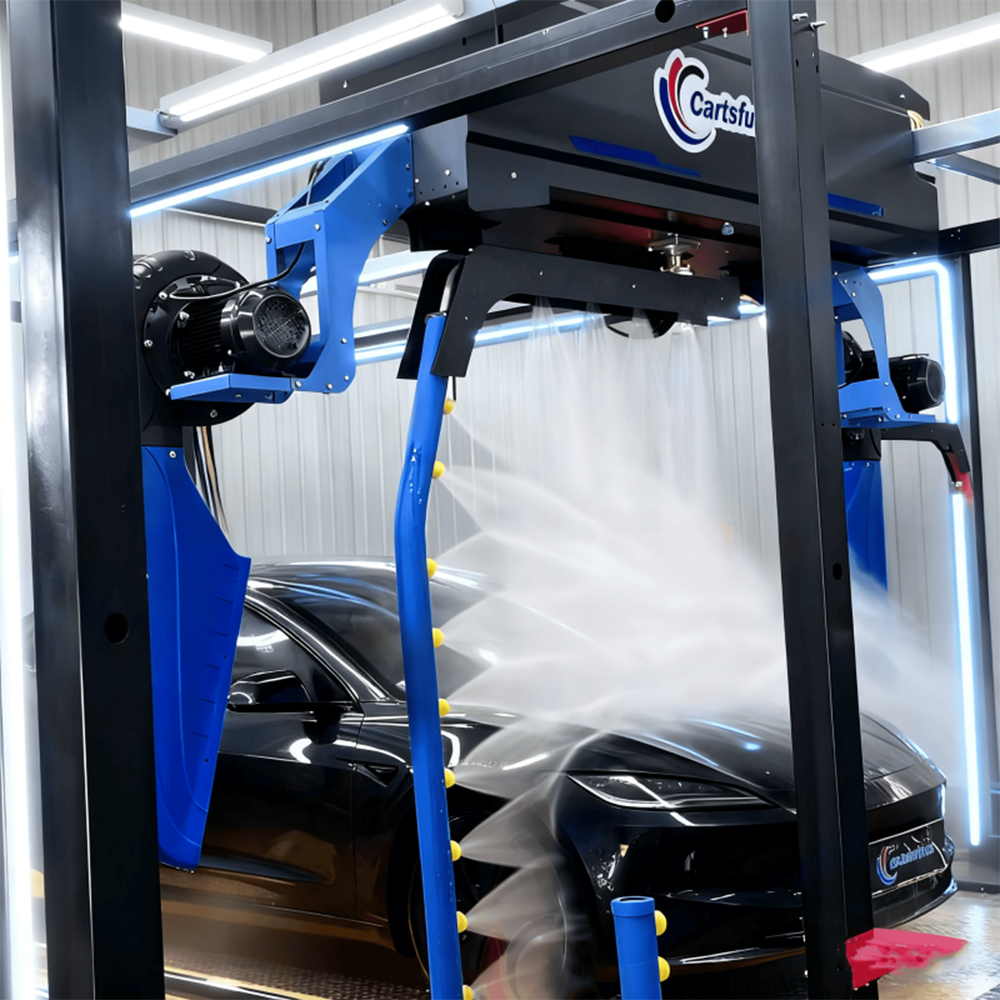
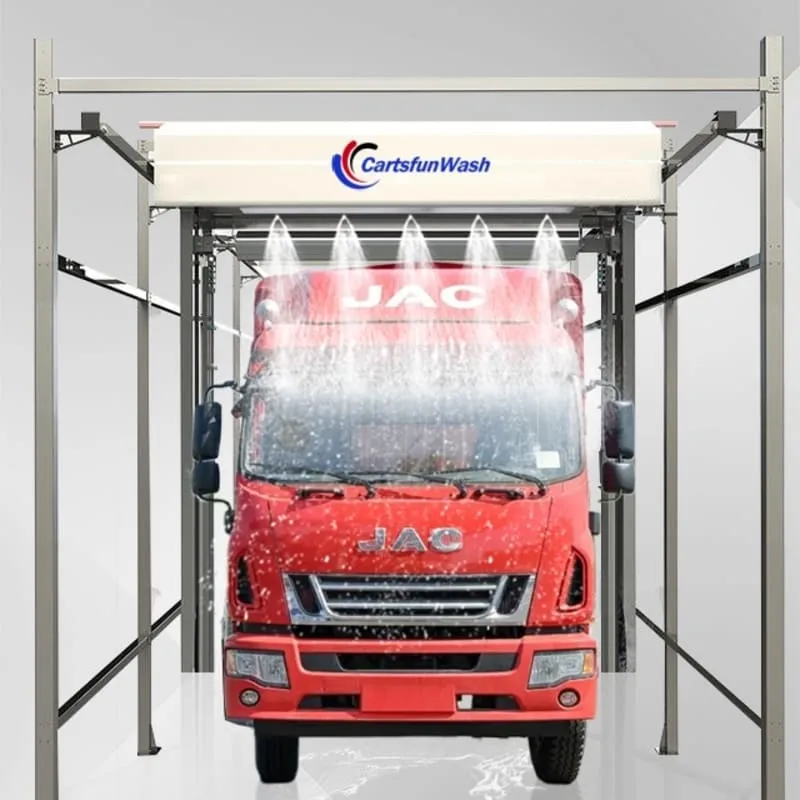
For internal fleet customers like logistics companies or taxi operators, manufacturers must provide customized solutions tailored to specific vehicle types, such as trucks or buses. This often involves high-capacity tunnel wash systems or heavy-duty pressure washing setups; specialized modules like high-powered undercarriage and tire cleaning systems; and bulk purchasing packages to reduce overall acquisition costs.
II. Core Strategies for Manufacturers to Meet These Needs
To address these varied requirements, car wash equipment manufacturers must build competitiveness across three dimensions: product design, solution development, and service systems.
1. Build a Diversified Product Matrix with Flexible Customization
Manufacturers should develop a product line that spans different price points and functionalities, offering flexible customization services. This includes a tiered product portfolio: economy (gantry systems, manual tools), mid-range (in-bay automatics), high-end (tunnel systems, precision cleaning equipment), and self-service dedicated units. Services should also include customizing equipment dimensions to fit specific site layouts, adding or removing functional modules (e.g., waxing, undercarriage cleaning) as needed, and offering aesthetic customization. Furthermore, adaptations for different regional environments, such as freeze protection for northern climates, enhanced rust-proofing for coastal areas, or water recycling systems for regions with strict environmental regulations, are critical.
2. Provide Scenario-Based Solutions, Not Just Standalone Equipment
Manufacturers must shift from selling equipment to delivering integrated solutions designed for specific customer scenarios. Examples include: providing chain brands with a combination of “equipment + intelligent management system + national after-sales network”; offering independent car washes a low-barrier startup package of “equipment + consumable starter kit + basic training”; delivering a “premium equipment + customized services” package for 4S dealerships, encompassing installation, specialized detailing training, and quarterly maintenance; and establishing a comprehensive support system for self-service sites featuring “unattended equipment + remote management platform + 24/7 after-sales support.”
3. Refine a Full Lifecycle Service System
Service is paramount to customer satisfaction. Manufacturers should cover the entire journey from purchase to decommissioning. This includes: pre-sales site assessment and solution design; during-sales complimentary installation, commissioning, and combined theoretical and practical training; and post-sales support with a 24-hour hotline, a nationwide service network for rapid on-site repairs, and scheduled maintenance checks. Extending customer value further involves supplying genuine parts and consumables (detergents), as well as offering upgrade services, such as retrofitting older equipment with intelligent modules.
4. Empower Customer Value Through Technological Innovation
Leverage technology to address customers’ deeper needs for efficiency, sustainability, and intelligence. This involves applying IoT technology for remote monitoring and predictive fault alerts, using AI for vehicle recognition to automatically adjust wash parameters, and promoting water recycling systems alongside low-VOC detergents to help customers meet environmental compliance. Optimizing wash efficiency through technology—such as achieving faster throughput with high-speed tunnel systems—directly helps customers improve their business turnover.
Get In Touch With Us



 English