

Market Size: Rapid Growth but Still in the Early Stages
In recent years, the Indian automatic car wash machine market has seen significant growth. According to a report by TechSci Research, the market for car wash services in India is projected to reach approximately US$550 million in 2023. Automatic car wash machines currently account for about 15% of this market and are expected to grow at a compound annual growth rate (CAGR) of 18%. By 2028, the market size is anticipated to exceed US$1.2 billion, indicating a rapid expansion phase.
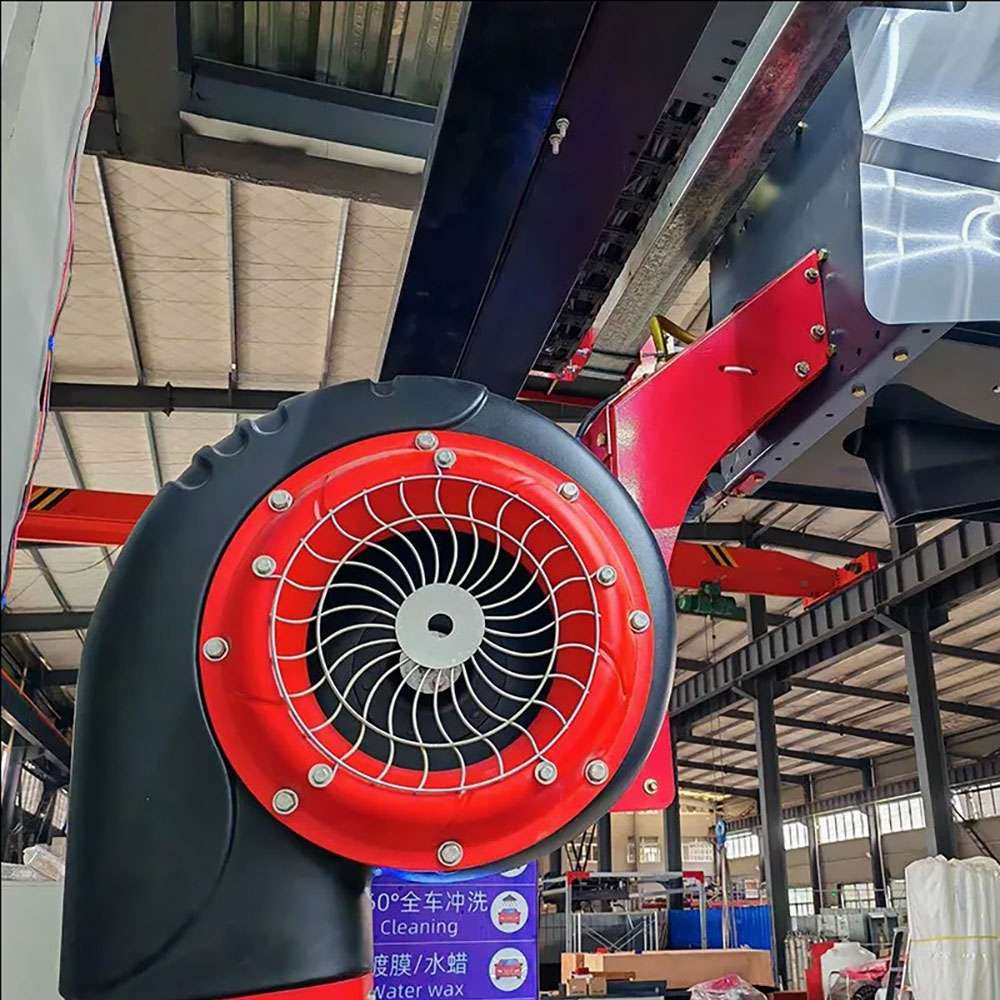
Main Factors Driving the Growth of the Indian Automatic Car Wash Machine Market
1. Increasing Car Ownership
India’s car sales exceeded 5 million units in 2023, marking a record high and driving increased demand for car washing services. As more individuals own vehicles, the need for regular cleaning becomes essential.
2. Accelerated Urbanization
Urban centers like Mumbai, Delhi, and Bangalore face issues such as traffic congestion and dust pollution, prompting car owners to wash their vehicles more frequently. The growing urban population also leads to a lifestyle that values convenience, further boosting automatic car wash machine services.
3. Rising Labor Costs
The cost of traditional manual car washing varies between 100-300 rupees (approximately 1.2-3.6 US dollars), while automatic car wash machines are priced similarly, from 150-400 rupees. However, automatic services are more efficient and time-saving, making them appealing to busy urban drivers.
Types of Automatic Car Wash Machines: Tunnel Type and Contactless Type Dominate
1. Tunnel Type Car Wash Machine
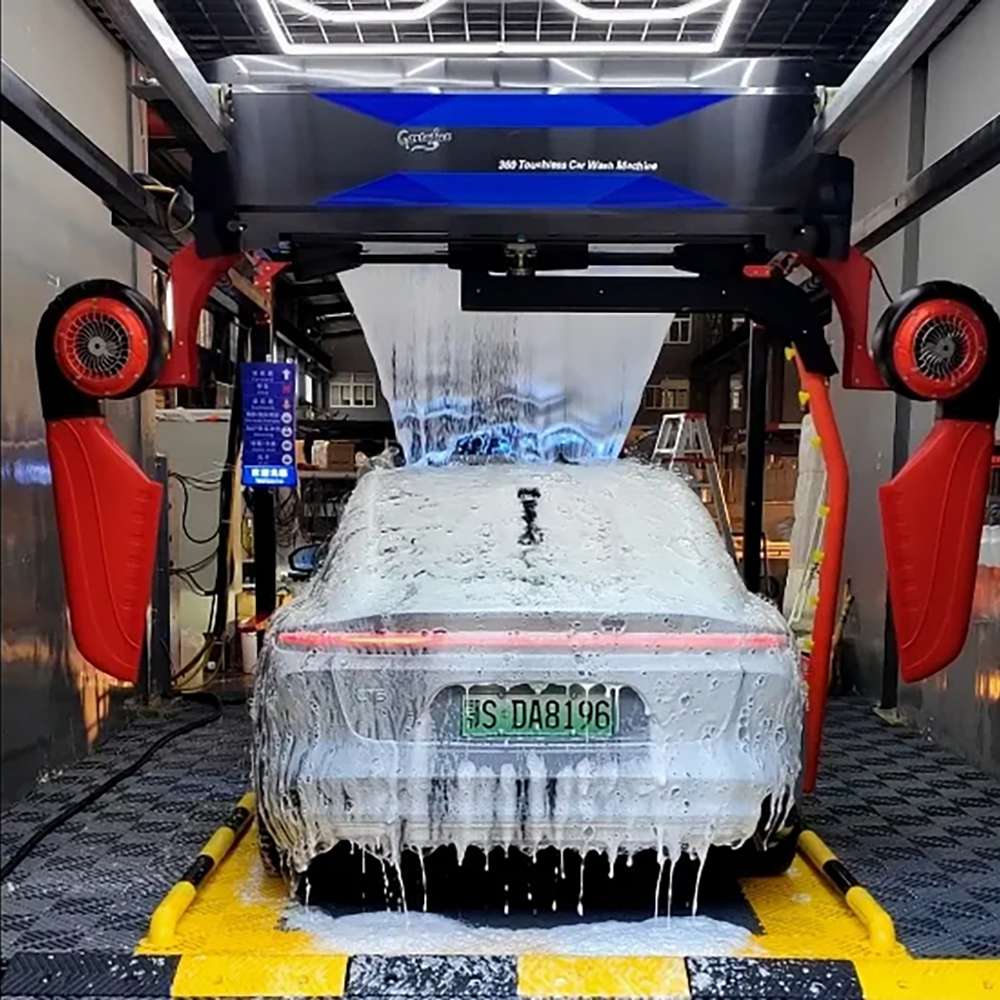
This machine type uses a conveyor belt to move vehicles through various washing stages, including spraying, brushing, and air drying. It is particularly suited for high-traffic areas like gas stations and shopping malls.
2. Touchless Car Wash Machine
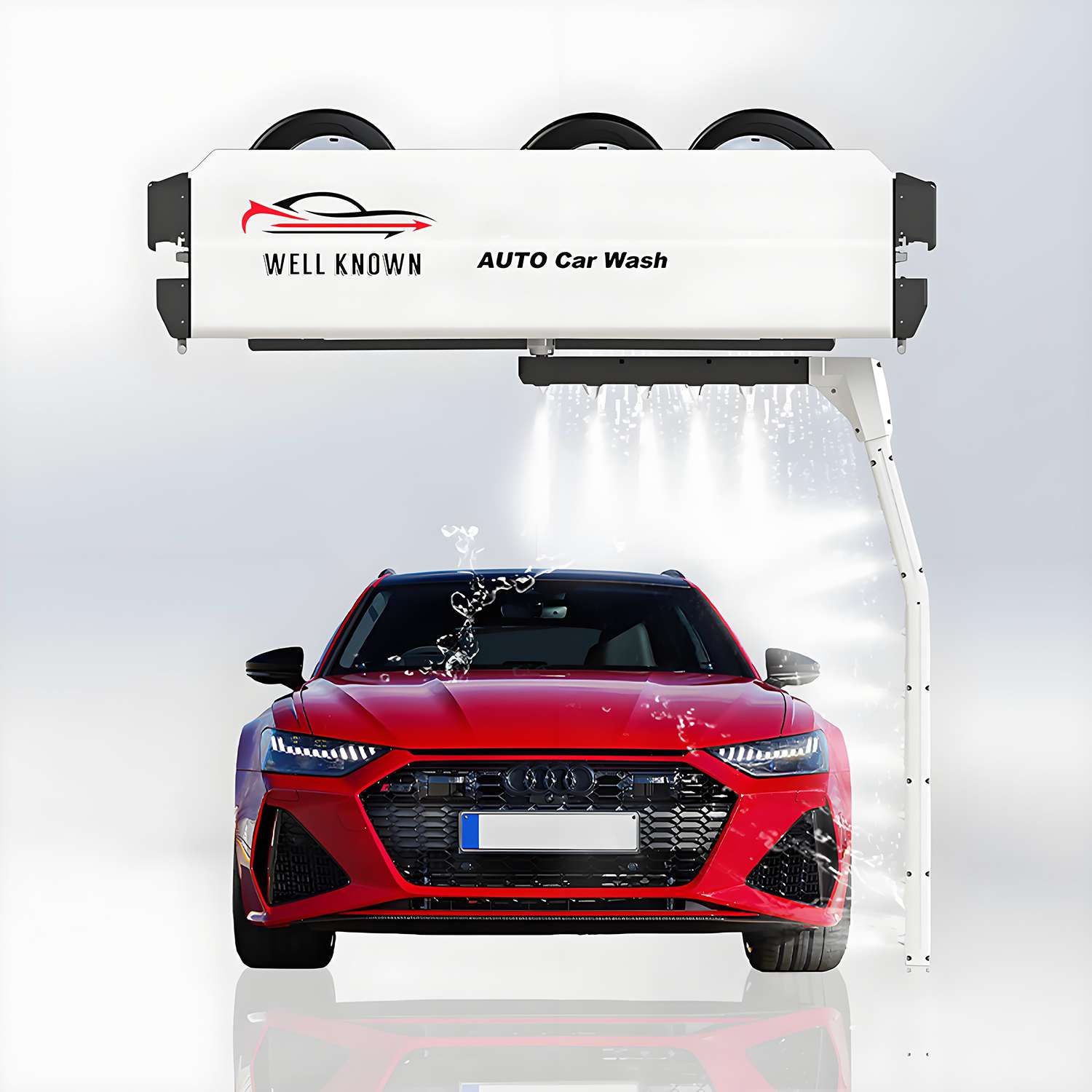
Relying solely on high-pressure water jets and chemical cleaners, this type of machine avoids physical contact with the vehicle’s surface, making it ideal for high-end models that require careful handling.
3. Self-Service Car Wash Machine
These machines allow car owners to wash their vehicles using a spray gun. While the price is relatively low (around 50-100 rupees), they are not as popular as fully automated options.
Currently, gas stations and large parking lots serve as the primary locations for automatic car wash machines. Companies like Indian Oil Corporation (IOCL) and Bharat Petroleum Corporation (BPCL) have introduced automatic car wash machine services at numerous gas stations across the country.
Consumer Preferences: Efficiency and Price are Key
Indian consumers are increasingly open to using automatic car wash machines, yet several concerns remain:
1. Fast Service Preference
Urban car owners typically prefer automatic car wash machines that complete the job in 5-10 minutes, as opposed to manual washes, which can take 30-60 minutes.
2. Doubts About the Cleaning Effect
Some car owners worry that automatic car wash machines may not thoroughly clean wheels and interiors, leading them to opt for manual cleaning services.
3. High Price Sensitivity
In smaller cities, budget-friendly self-service car wash machines are more popular. Conversely, car owners in larger cities are often willing to pay a premium for high-end touchless car wash machines that promise superior cleaning.
Market Prospects: Intelligence and Digitalization are the Future Trend
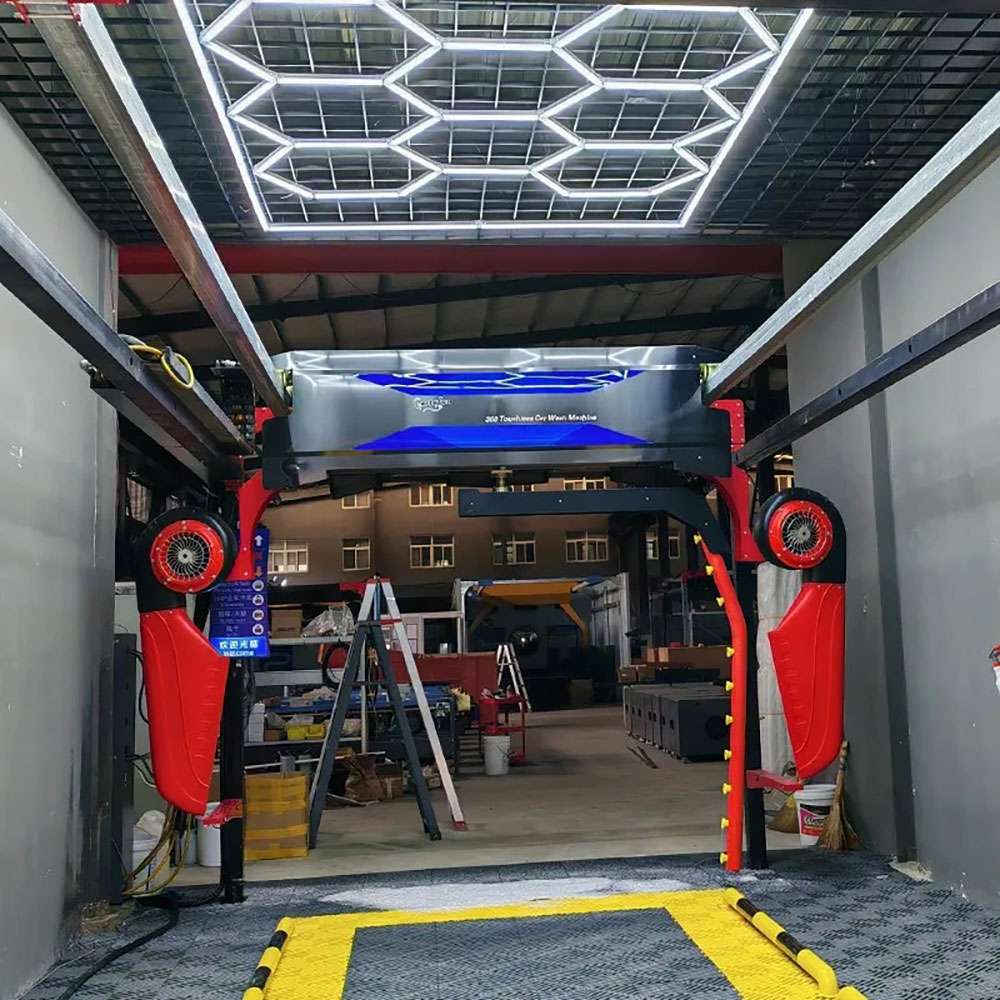
In the coming years, the Indian automatic car wash machine market is expected to trend towards:
1. Smart Payment Integration
Support for UPI payment systems (like Paytm and PhonePe) and membership subscription models will enhance user experience and convenience.
2. Environmentally Friendly Car Wash Solutions
Government policies are likely to support the implementation of water recycling systems and the use of biodegradable detergents, aligning with global sustainability trends.
3. AI and IoT Applications
Some companies are starting to test AI cameras that can detect stains and adjust cleaning modes accordingly, improving overall cleaning efficiency.
Conclusion: Huge Potential but Localization Challenges Need to Be Overcome
Despite the rapid growth of the Indian automatic car wash machine market, challenges such as unstable power supply, consumer habit formation, and high equipment maintenance costs persist. As car culture becomes more prevalent and digital payment methods gain traction, automatic car wash machine services are expected to capture a larger market share in the next 5-10 years, particularly in first- and second-tier cities. Companies that can effectively balance price, cleaning efficacy, and convenience are likely to emerge as leaders in this burgeoning market.




 English