

Market size: Steady Growth in a Mature Market
The United States is one of the world’s largest car auto wash machine markets, with annual industry revenue exceeding $5 billion (IBISWorld data), and is expected to expand steadily at an annual growth rate of 3-5% over the next five years. Currently, there are about 150,000 to 200,000 automatic car washes in the United States, mainly operated by chain operators, gas stations, and independent car wash stations.
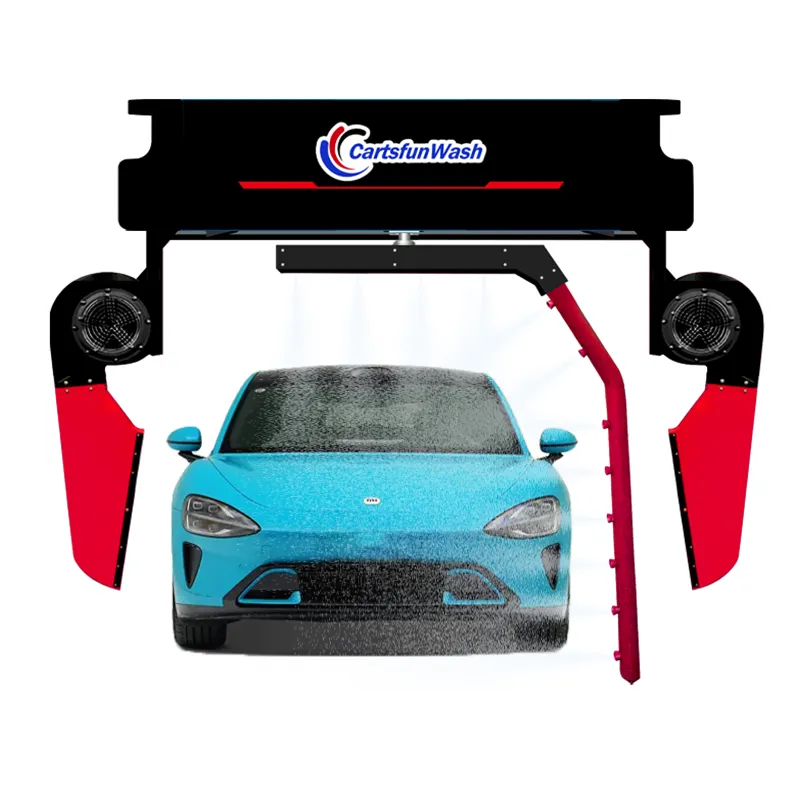
Drivers of Growth in the U.S. Car Auto Wash Machine Market
1. High Car Ownership
The average household in the United States owns 2.1 cars, leading to a strong demand for car washing services.
2. Consumer Convenience Needs
Compared to manual car washing (which takes 20-30 minutes), automatic car washing only takes 3-10 minutes, aligning with the fast-paced lifestyle of consumers.
3. Rise of Subscription Model
Many operators (such as Mister Car Wash) have launched a monthly fee system ($20-$50/month) to attract high-frequency users, enhancing customer retention.
Automatic Car Wash Machine Types: Mainstream Technology and Innovation Trends
1. Conveyor Wash
This type holds the largest market share (about 60%), where the vehicle is automatically moved by a conveyor belt through pre-washing, brushing, waxing, air drying, and other processes.
Representative Companies: Mister Car Wash, Zips Car Wash, Quick Quack Car Wash.
Suitable for high-traffic areas such as gas stations and shopping malls.
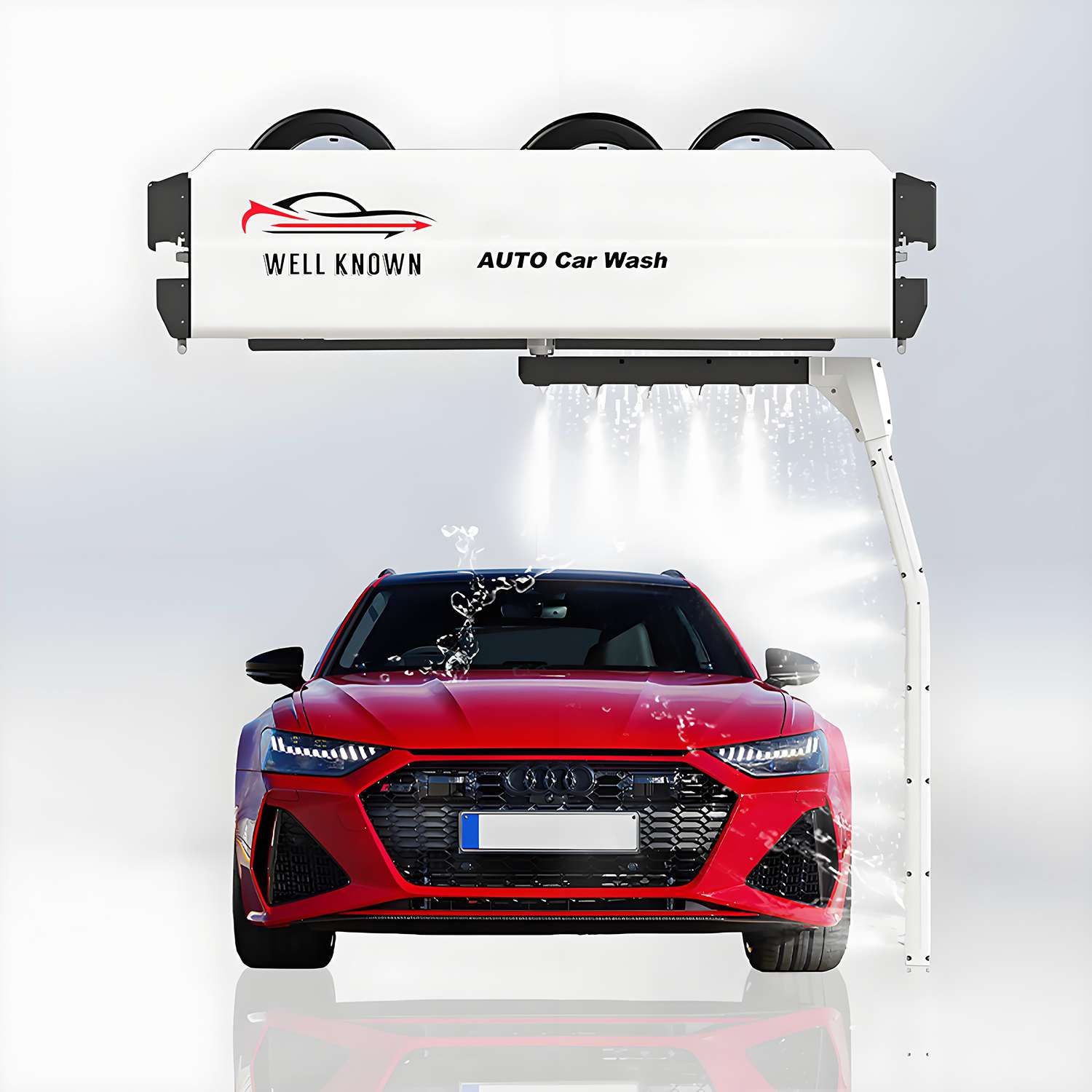
2. Touchless Wash
Relying on high-pressure water columns and chemical detergents, this type avoids physical contact, reducing the risk of scratches. It is favored by high-end car owners.
However, the cleaning power is slightly inferior to the brushing type, and the price is usually higher ($15-$25/time).
Representative Brands: PDQ LaserWash, Washworld.
3. Self-Service Bay
Car owners pay by coin or scan code and use high-pressure water guns and foam brushes themselves.
This is the lowest-priced option ($5-$10/time), but it takes longer, and its market share is gradually being replaced by fully automatic car wash machines.
4. Mobile Car Wash Robots (AI & Robotic Wash)
Emerging technologies, such as the “WaterSaver” robot developed by MIT, can autonomously wash around the car and are currently in the pilot stage.
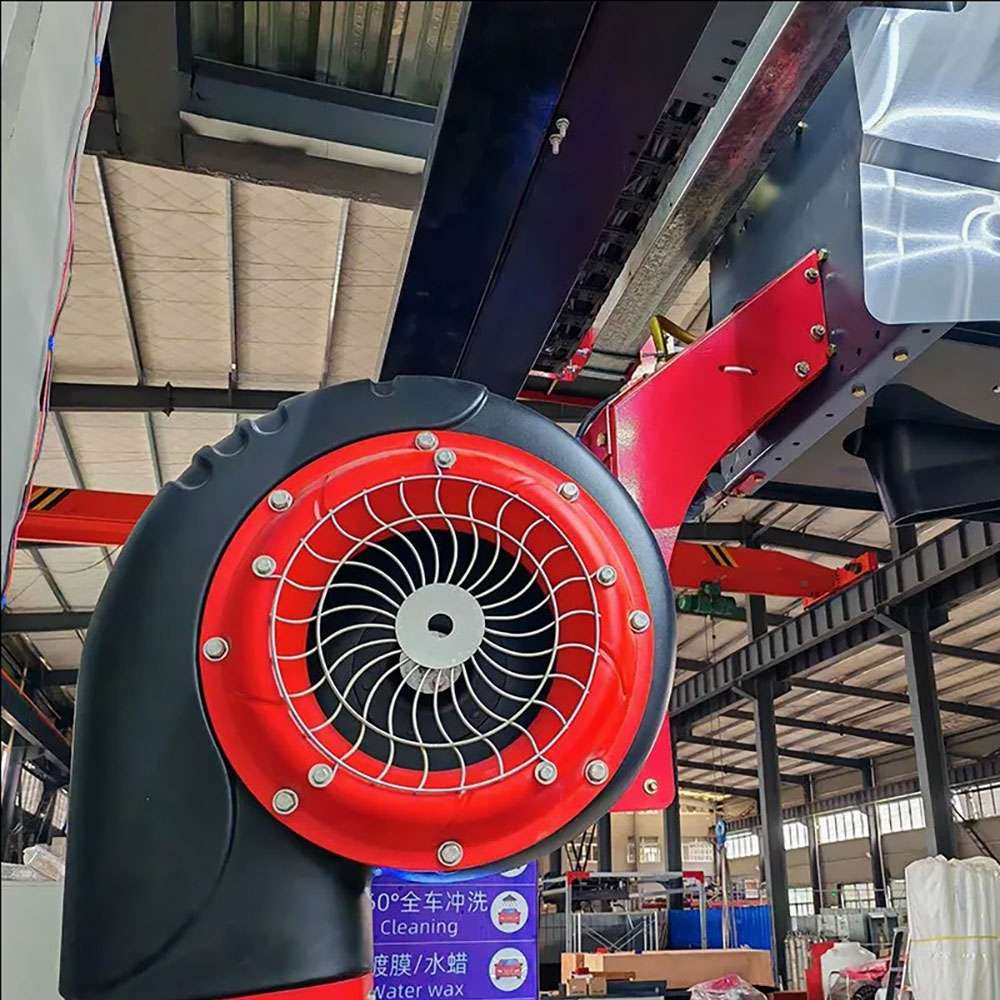
Consumer Preferences: Speed, Membership, and Environmental Awareness
1. Prefer Fast Service
80% of consumers choose automatic car washes mainly because they save time. Car wash services attached to gas stations (like Shell and Chevron) are more popular due to the one-stop experience of “gasoline + car wash.”
2. High Acceptance of Subscription Model
Mister Car Wash (NYSE: MCW) has more than 2 million members, accounting for 70% of its revenue. Members usually wash their cars 3-4 times a month, making it more cost-effective than single consumption ($10-$20).
3. Growing Demand for Environmental Protection
States like California require car wash machines to be equipped with water circulation systems to reduce waste. Consumers tend to choose car wash brands that use biodegradable detergents.
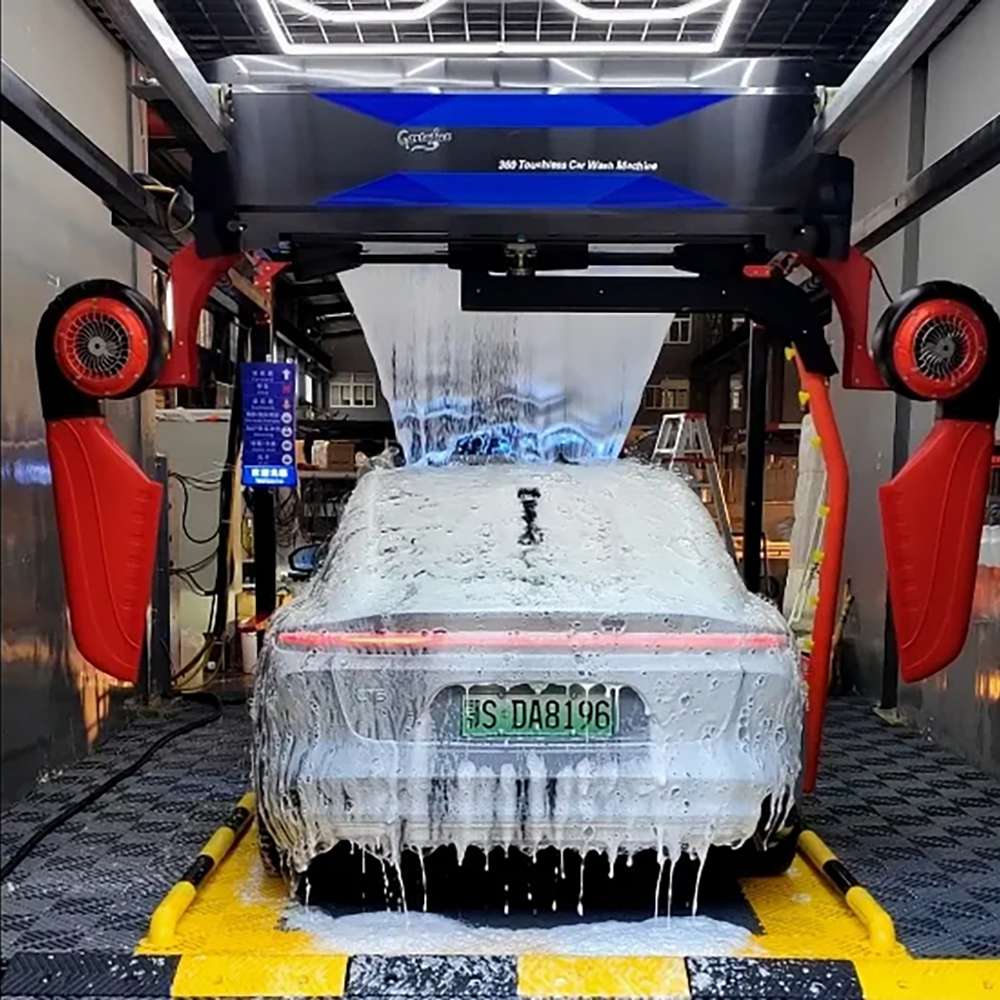
Market Prospects: Intelligence, Integration, and Sustainable Development
1. Accelerated Industry Integration
Large chains (like Mister Car Wash) have expanded through mergers and acquisitions and currently control about 20% of the market share. Oil companies (BP, ExxonMobil) are also acquiring car wash brands to enhance gas station supporting services.
2. Technological Innovation Drives Upgrades
- AI Stain Recognition: For example, Washify’s cameras can automatically adjust the cleaning mode.
- Internet of Things (IoT) Maintenance: Remote monitoring of equipment status to reduce downtime.
3. Impact of Environmental Regulations
Some states may mandate water-saving equipment to promote the replacement of old car wash machines.
4. Potential Challenges
Manual car washing still accounts for 30% of the market, and high-end car owners prefer manual fine washing. Equipment maintenance costs are high, and small operators may be squeezed out of the market.
Conclusion: Steady Growth, Technology Drives the Future
The U.S. car auto wash machine market has entered a mature stage, but membership economy, AI technology, and environmental protection trends are still driving industry upgrades. In the next five years, the market is expected to develop towards chain, intelligent, and green, and leading companies will further expand their advantages through mergers and acquisitions and technology investment. For consumers, faster, cheaper, and more environmentally friendly car auto wash machine services will become the mainstream choice.




 English