

Definition and features of self-service car wash
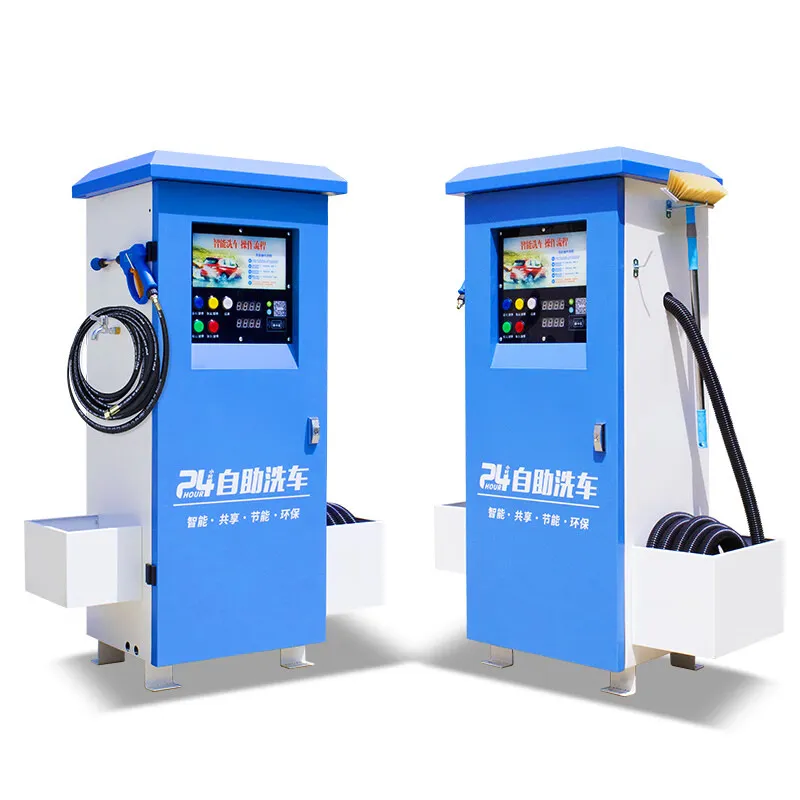
What is a self-service car wash machine?
A self-service car wash is a facility equipped with specific tools and equipment for car owners to wash their vehicles by themselves. Common tools include high-pressure water pipes, foam brushes and vacuum cleaners. Car owners can independently control the entire car washing process from rinsing, applying soap to drying.
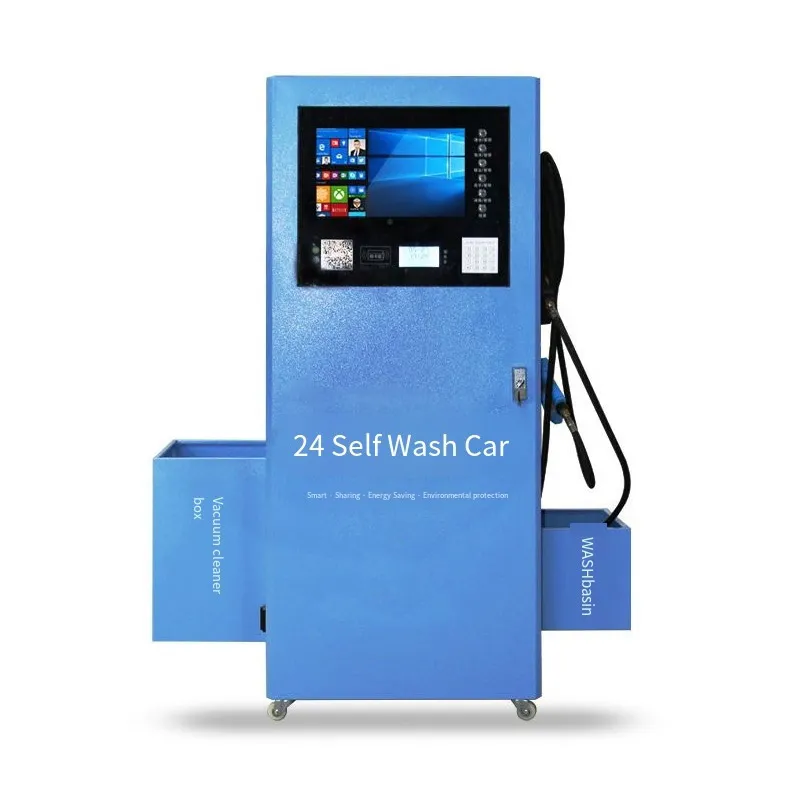
Advantages of self-service car wash machines
- Customized Cleaning: Car owners can focus on specific areas, such as wheels, chassis, or stubborn stains, achieving personalized cleaning results.
- Affordability: The cost of a single car wash typically ranges from $5 to $15, making it a budget-friendly choice.
- Environmental Protection: Users can control water usage and choose biodegradable cleaning products to minimize environmental impact.
- Reduced Risk of Scratches: By operating independently, car owners can avoid hard brushes or abrasive materials, lowering the risk of paint scratches.
Disadvantages of self-service car wash machines
- Time-Consuming: The manual washing process can be labor-intensive and time-consuming.
- Learning Curve: New users may require time to familiarize themselves with the equipment.
- Limited Drying Options: Most self-service stations provide basic air dryers, and users may need to bring towels for effective drying.
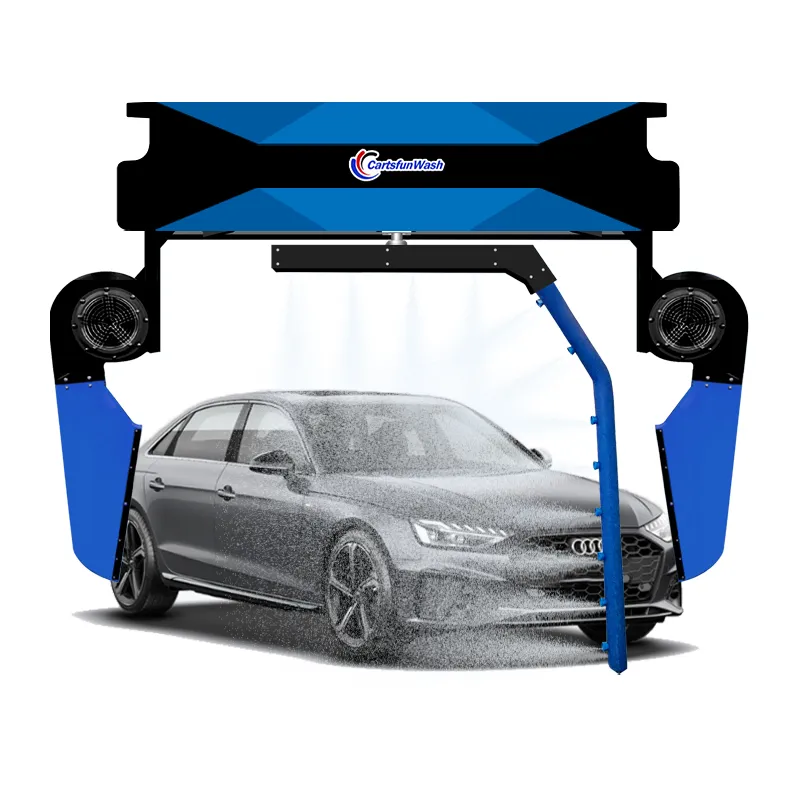
Definition and features of automatic car wash machines
What is an automatic car wash machine?
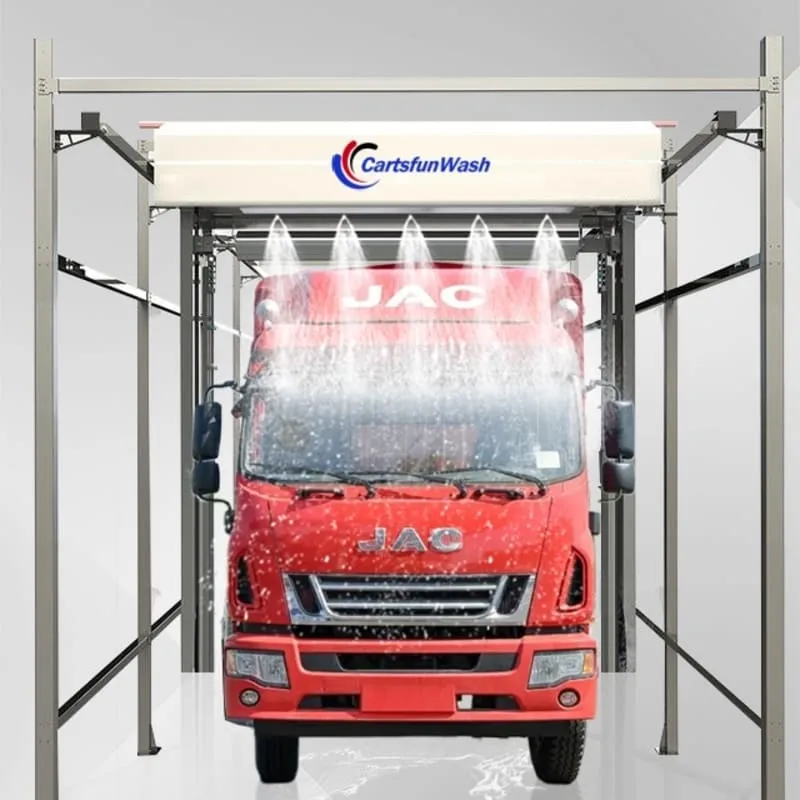
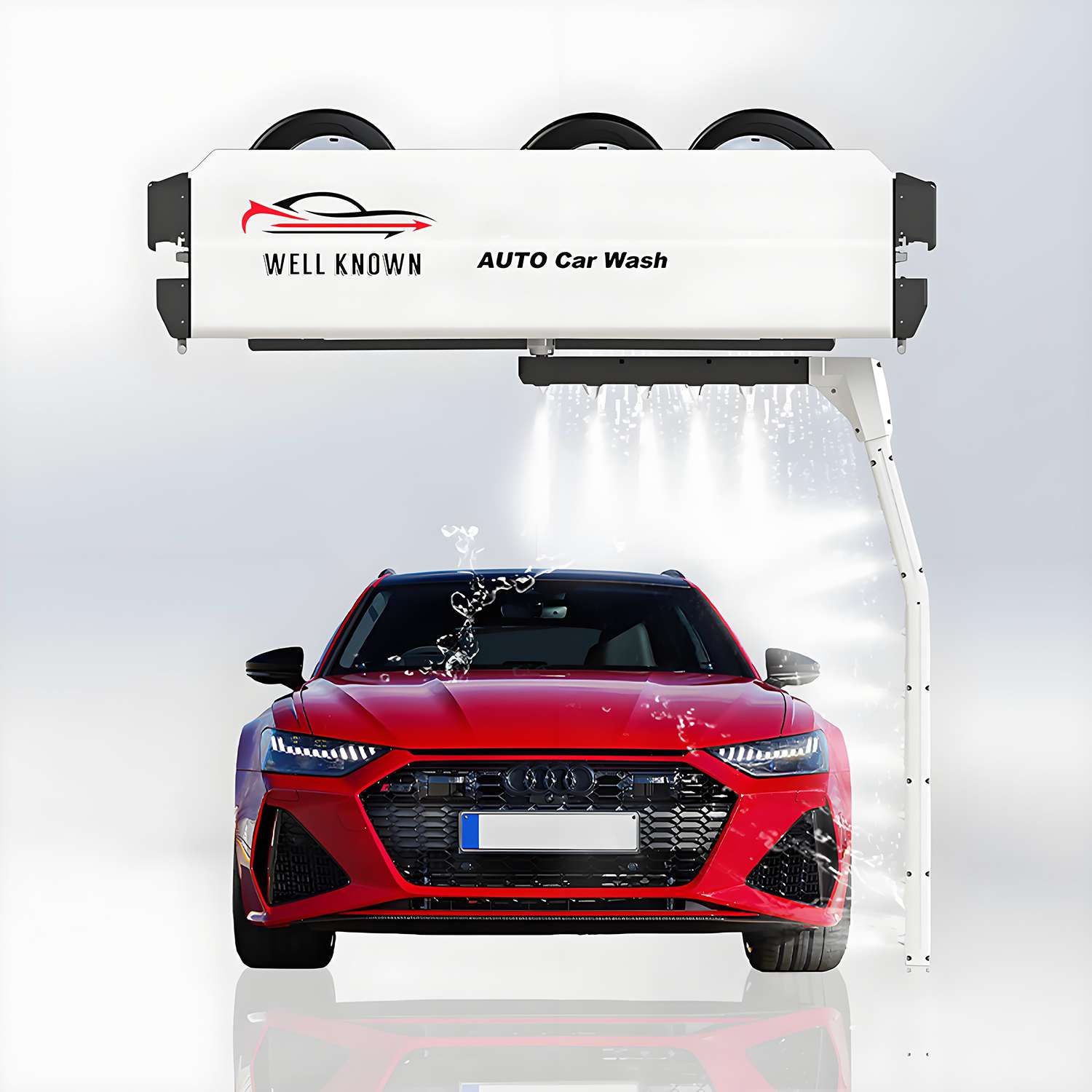
Automatic car wash is a way to complete vehicle washing without direct manual operation using equipment such as conveyor systems, rotating brushes, sprayers and dryers. This type of car wash is usually provided at gas stations or special car wash centers. Car owners can choose to stay in the car or hand the car over to the attendant as required by the system.
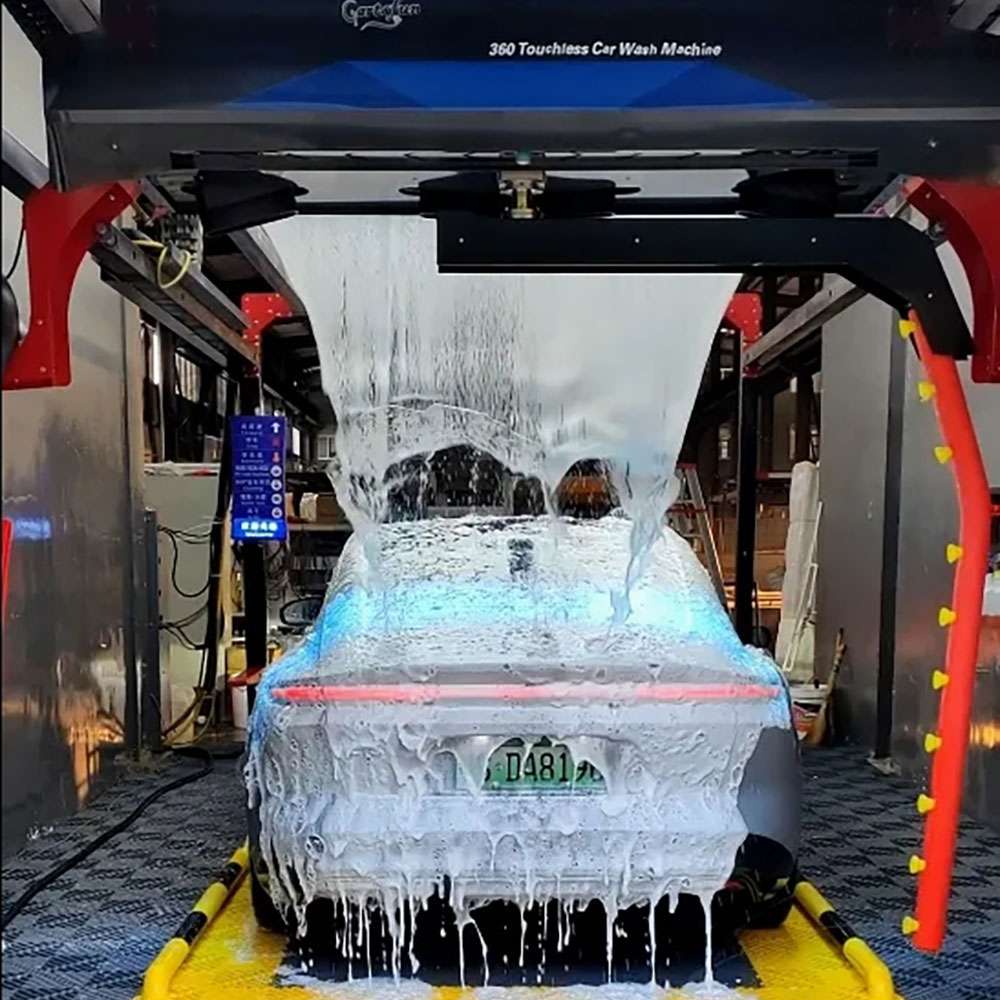
Advantages of automatic car wash machines
- Convenience and Efficiency: A complete wash takes only 5 to 10 minutes, ideal for busy drivers.
- Consistent Results: The automated process ensures uniform cleaning quality every time.
- Diverse Services: Many automatic car washes offer additional services, such as waxing, chassis cleaning, and ceramic coating.
- Weather-Independent: Vehicles can be washed regardless of weather conditions.
Disadvantages of automatic car washes
- Higher Costs: Prices typically range from $10 to over $25, depending on the package and services.
- Risk of Scratches: Some systems use hard brushes, which may leave fine scratches on the paint, although contactless methods can mitigate this risk.
- Limited Cleaning Control: Fixed procedures may not adequately address specific dirty areas, such as wheels.
Main Differences Between Self-Service Car Wash and Automatic Car Wash
1. Control and Convenience
Self-service car washes offer full control over the washing process, allowing adjustments based on the vehicle’s condition. Automatic car washes prioritize speed and convenience, minimizing the owner’s involvement.
2. Cost Comparison
While self-service washes have lower upfront costs, frequent users may find automatic car washes more economical through subscription plans.
3. Vehicle Safety
Non-contact automatic systems minimize paint damage, while self-service options eliminate brush-related risks, making them safer for sensitive paint.
4. Water Consumption
Self-service car washes typically allow users to control water usage, promoting eco-friendliness. Automatic washes vary in water consumption; some incorporate recycling technologies.
Commercial Investment Selection Suggestions
1. Startup Budget
Setting up a self-service car wash generally costs between $15,000 and $50,000, whereas automatic systems range from $30,000 to $250,000, depending on technology and capacity. Automatic car washes typically generate three times the revenue of self-service washes.
2.Space Requirements
Self-service car washes require about 300-400 square feet, while automatic washes need 400-600 square feet, and tunnel car washes require over 2,000 square feet but can wash 60-100 cars per hour. Limited space favors compact automatic systems for better ROI.
3. Target Customers
Self-service car washes appeal to DIY drivers and budget-conscious users, while urban drivers and fleet owners prefer the speed of automatic systems. In the U.S., over 72% of car wash users opt for automatic options.
4. Degree of Automation
Self-service systems require customer operation and staff for maintenance, while automatic car washes can operate unattended with self-service payment options, processing 100-150 cars per day.
5.Business Model and Revenue Targets
Self-service car washes charge $5-10 per session, averaging $7, while automatic washes charge $10-25, averaging $14-16. Automatic systems often use subscription models to generate recurring revenue, with potential monthly earnings significantly higher than self-service options.
Final Advice for Commercial Buyers
If you have a limited budget and wish to target DIY customers while minimizing equipment complexity, consider a self-service car wash. If your goal is to increase revenue, reduce labor costs, and provide a fast, high-quality experience, an automatic car wash is preferable. Many successful operators combine both types, enhancing wash volume and operational flexibility, maximizing customer coverage and site efficiency.




 English