
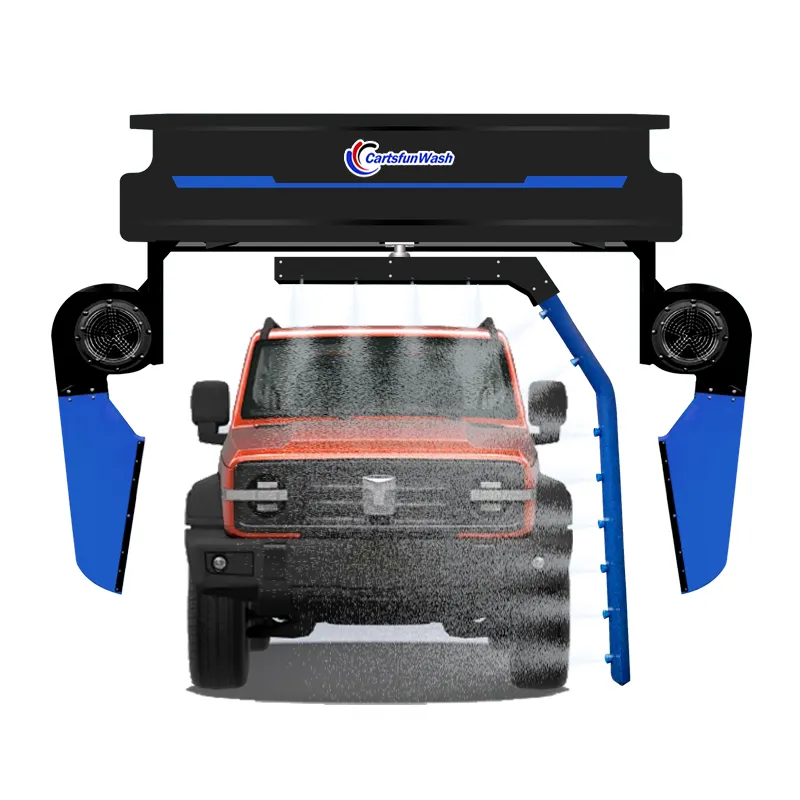
Automatic car wash machines have become increasingly popular in recent years as an efficient and convenient solution for vehicle cleaning. However, installing one isn’t as simple as purchasing the equipment and placing it on site. It requires careful consideration of factors such as location, technical specifications, financial investment, and regulatory compliance. Below are the key conditions for installing a fully automatic car wash system:
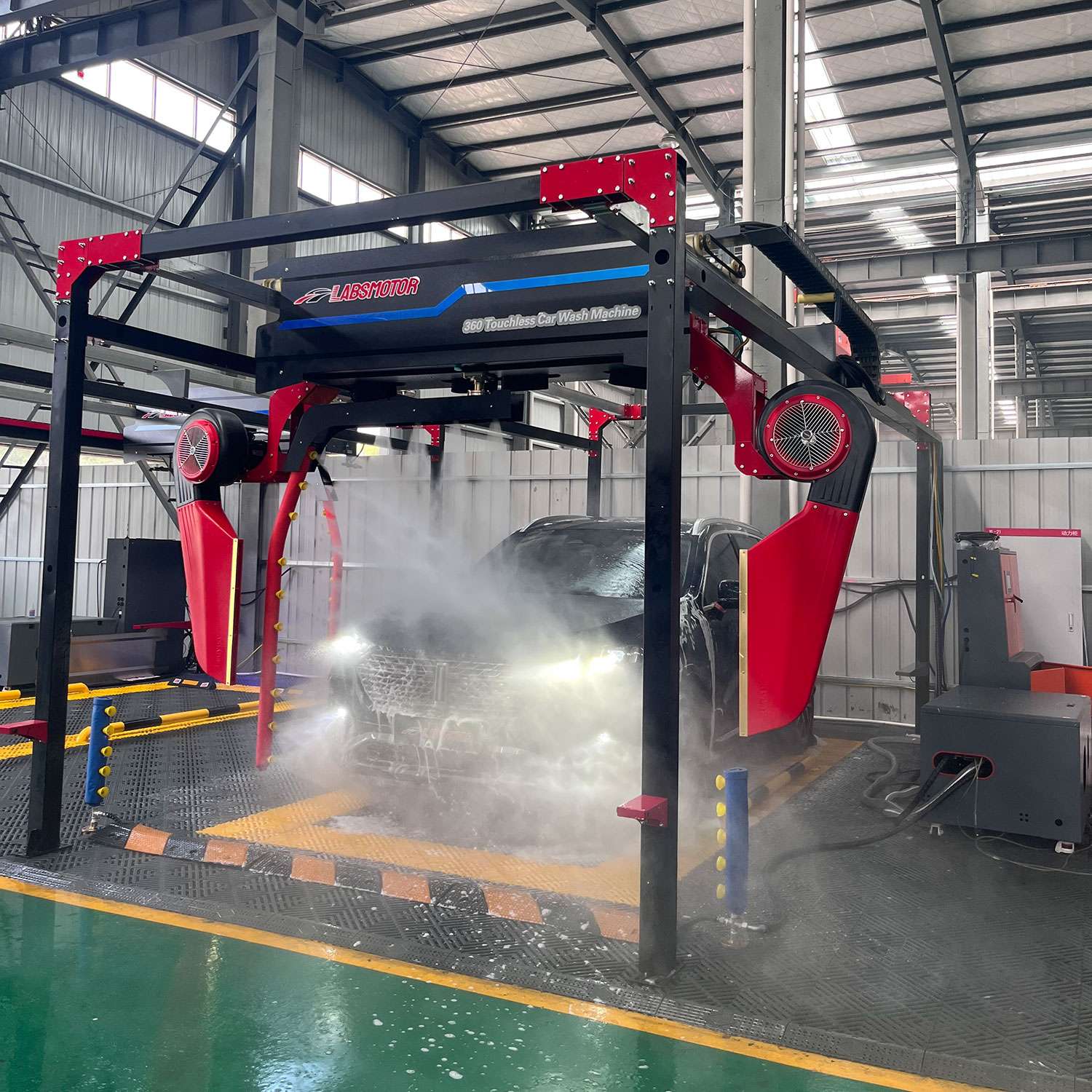
1. Site Conditions
The location is a primary factor, directly influencing both operational efficiency and customer experience.
Space Requirements: Automatic car wash machines generally require a relatively large area. A standard machine typically needs a space around 6 meters wide and 12 meters long to allow smooth vehicle entry, exit, and machine operation. For more compact sites, tunnel-type or portable systems may be considered, provided there’s enough room for functionality.
Ground Levelness: The ground must be solid and level to prevent operational instability or machine damage. Concrete or asphalt surfaces are recommended, and proper drainage is essential.
Drainage System: Large amounts of wastewater are generated during washing, so an efficient drainage system is necessary. Drains should be well-designed to prevent water accumulation, which could disrupt operations or harm the environment.
Power and Water Supply: A stable power supply—typically 380V three-phase electricity with a power rating between 10–30 kW—is required. A reliable water source with adequate pressure and volume is also essential. It’s advisable to install water treatment systems to enable filtration and recycling.
2. Equipment Selection
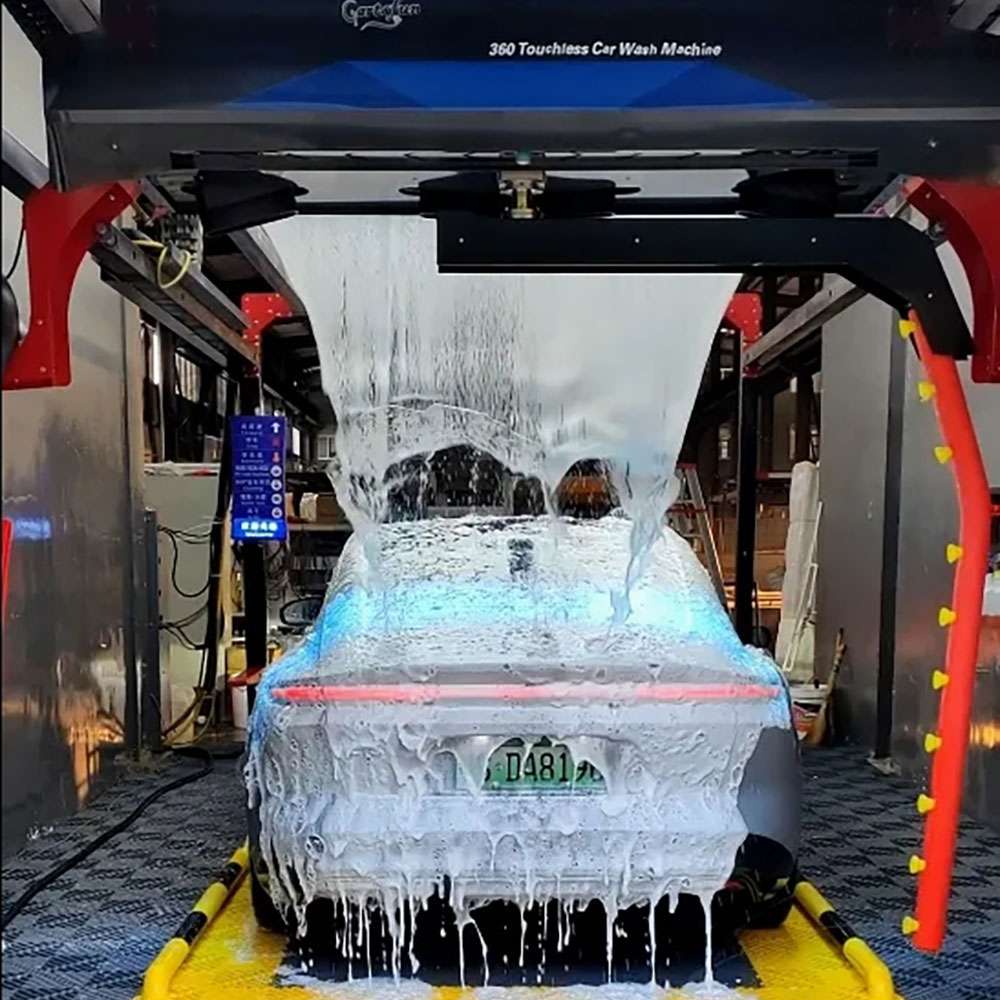
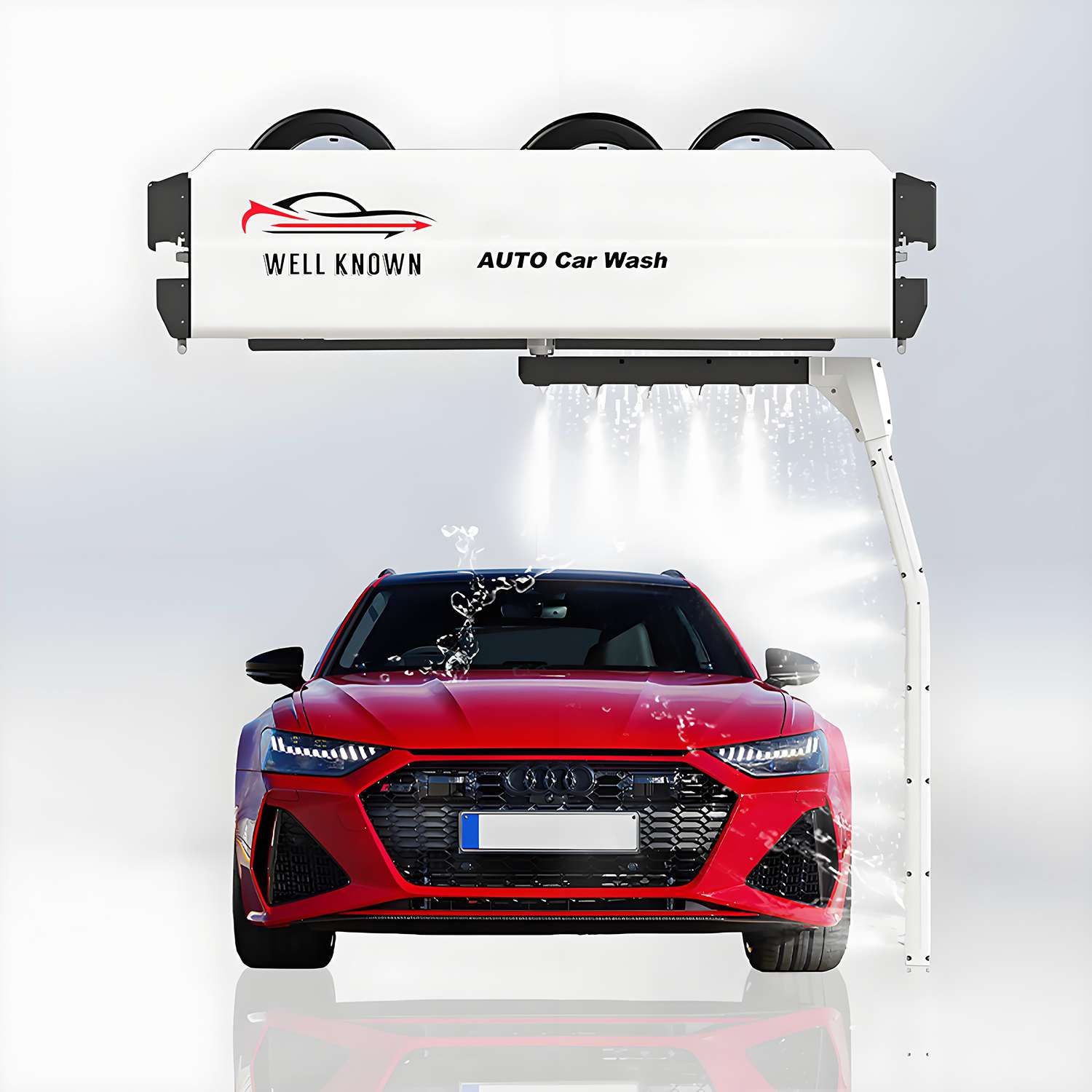
There are various types of automatic car wash systems, such as tunnel-type, touch-free, and gantry models. Choosing the right type is crucial for a successful installation.
Functionality: Select equipment based on customer needs and site conditions. For example, tunnel systems are suitable for high-traffic locations, while touch-free models are ideal for customers concerned about vehicle surface protection.
Quality and Reliability: Opt for reputable brands known for durability and stable performance. Suppliers with strong after-sales support are preferable for timely technical assistance.
Eco-Features: Modern machines should be water-efficient, energy-saving, and environmentally friendly. Systems with water recycling and energy-saving modes help reduce operational costs and environmental impact.
3. Financial Investment
Installing an automatic car wash involves considerable investment, covering equipment, site preparation, and operational expenses.
Equipment Cost: Prices vary by brand, model, and functionality, generally ranging from ¥100,000 to ¥500,000. High-end models may cost more but offer better performance and longer service life.
Site Preparation Costs: These include land leasing or purchasing, ground leveling, drainage setup, and utility connections. Costs will vary depending on the site’s current condition.
Operational Expenses: Ongoing costs include water, electricity, maintenance, and labor. Although automatic systems have lower operational costs than manual options, regular maintenance is still necessary to ensure smooth operation.
4. Technical Support and Training
Professional technical support is essential for installation and sustained operation.
Installation and Calibration: After installation, the system must be properly calibrated. It’s best to have technicians from the manufacturer or a professional service handle this to prevent malfunctions.
Operator Training: While automatic car wash systems are user-friendly, staff should receive training on proper operation and basic troubleshooting.
After-Sales Service: Choose a supplier that offers reliable after-sales service, including maintenance and technical support, to minimize downtime.
5. Legal and Regulatory Approvals
Compliance with local regulations and obtaining the necessary permits are mandatory.
Environmental Permits: Wastewater disposal must meet environmental standards. A wastewater discharge permit from local authorities and the installation of water treatment equipment may be required.
Business License: Operating a car wash service requires a business license, and operators must comply with industry-specific regulations.
Fire Safety: The site must meet fire safety standards, with fire extinguishers, emergency lighting, and other safety equipment installed as required.
6. Market Research and Target Customer Analysis
Conducting thorough market research and defining your target customers are vital steps before installation.
Market Demand: Understand local demand to choose the right type of equipment and business model. For example, tunnel systems suit high-traffic areas, while touch-free models may be preferred in upscale residential communities.
Customer Targeting: Identify your main customer base—private car owners, taxi drivers, logistics companies, etc.—and tailor services to their needs.
Competitive Analysis: Analyze local competitors to develop competitive pricing and marketing strategies that attract customers.
7. Operational Management
Effective management is key to profitability and customer satisfaction.
Pricing Strategy: Set reasonable prices based on market research and cost analysis. Membership cards and service packages can help improve customer loyalty.
Service Quality: While automatic machines provide efficient cleaning, maintaining a clean site and offering additional services (e.g., interior vacuuming, waxing) can enhance the customer experience.
Equipment Maintenance: Implement a regular maintenance schedule and keep detailed records to ensure long-term, trouble-free operation.
Installing a fully automatic car wash machine involves multiple considerations—site selection, equipment type, financial planning, technical support, legal compliance, and market positioning. Only when all these factors are adequately addressed can the machine be installed smoothly and operate efficiently, providing high-quality service and helping owners achieve their business goals.
Get In Touch With Us



 English