

For fleet managers and transit authorities, clean buses aren’t just about curb appeal. Regular washing protects vehicle assets, ensures passenger comfort, and reinforces your brand’s professional image. Rollover bus wash systems offer an automated solution that balances cleaning effectiveness with operational flexibility. This guide walks through everything you need to know about installing these systems in your depot and the real-world benefits they deliver.
What Is a Rollover Bus Wash? Understanding the Technology
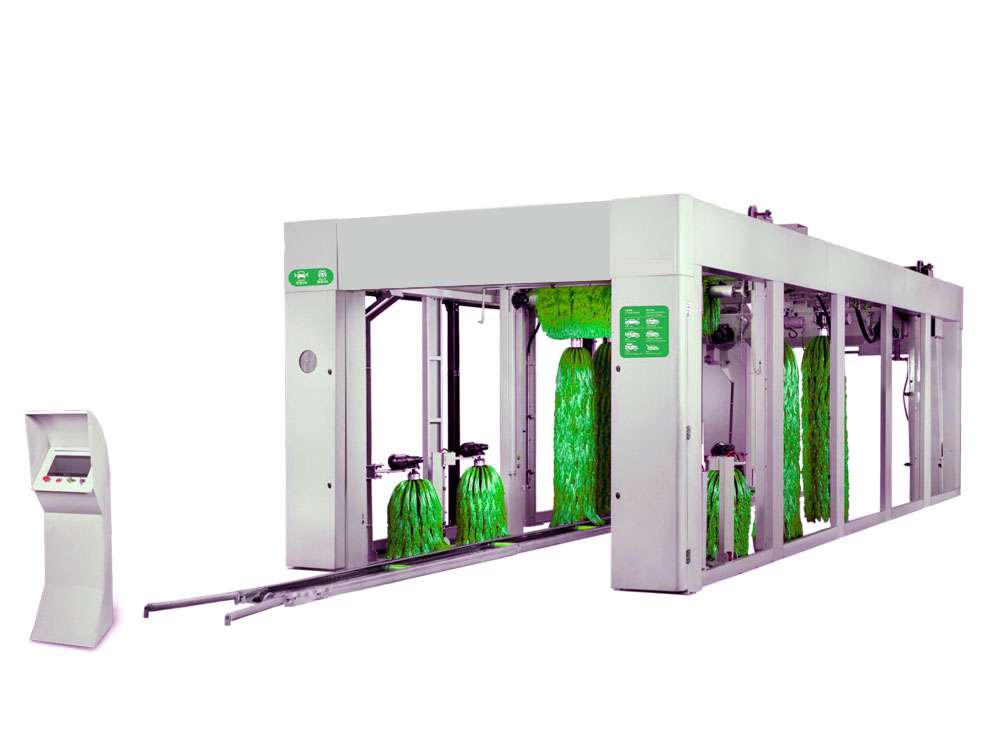
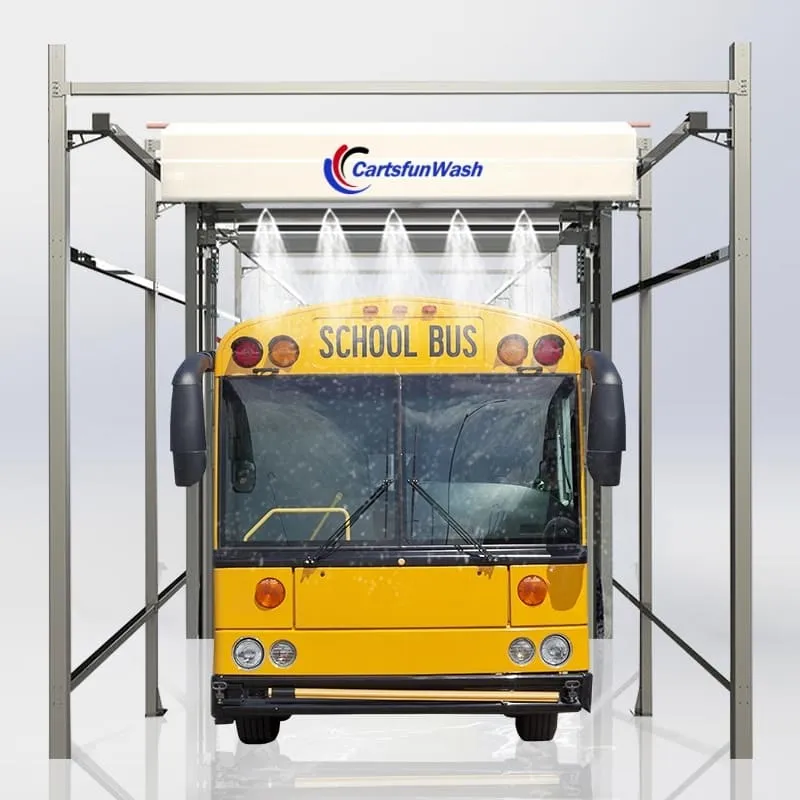
A rollover bus wash system, sometimes called a gantry or reciprocating system, works differently from drive-through alternatives. Instead of the bus moving through a tunnel, the vehicle remains stationary while a gantry moves back and forth along tracks, cleaning as it travels.
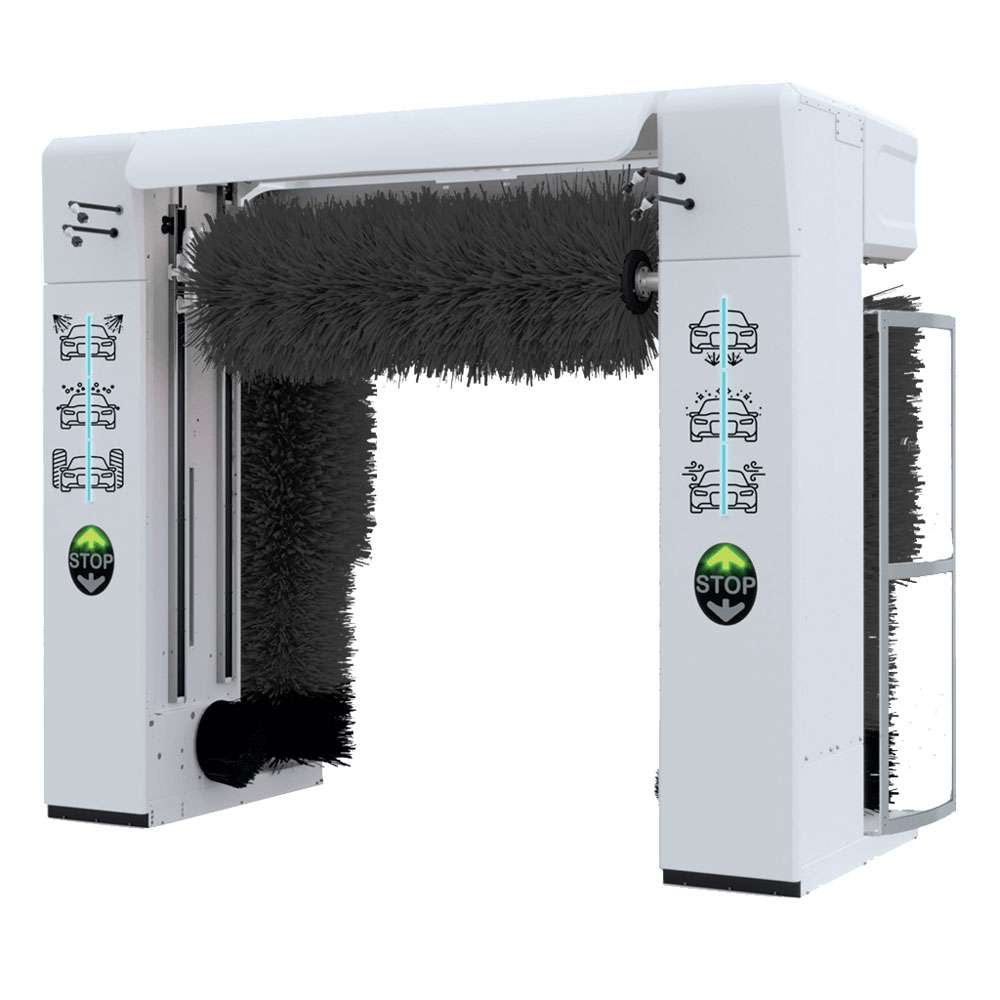
This design makes rollover systems particularly well-suited for depots with limited space or those that handle a mix of vehicle types. The moving gantry carries rotating brushes, high-pressure spray bars, and sometimes drying equipment. Modern systems use sensors to detect vehicle contours, adjusting brush pressure and spray patterns automatically for consistent results across your entire fleet.
The technology has evolved significantly. Today’s rollover systems offer programmable wash cycles, allowing operators to select different programs for express cleaning, deep cleaning, or wax applications based on each vehicle’s condition and schedule.
Pre-Installation Audit: Assessing Your Depot’s Readiness
Before equipment arrives, a thorough site audit helps avoid surprises during installation. Here’s what needs evaluation:
Space and Layout
Measure your proposed wash bay carefully. Rollover systems need clearance not just for the equipment, but for the gantry’s full travel distance. Account for the bus parking position and enough buffer space at both ends for safe entry and exit. A typical installation requires a straight, level bay approximately 15-20 meters long, depending on your longest vehicles.
Floor Condition
The gantry rides on floor-mounted rails, so your concrete floor must be level within tight tolerances. Check for cracks, settling, or uneven joints that could affect operation. The floor also needs sufficient load-bearing capacity for both the equipment and repeated bus traffic.
Plumbing and Drainage
Verify that your water supply can deliver adequate flow and pressure during peak operation. A rollover system typically requires 100-150 liters per minute at 3-5 bar. Drainage is equally critical. The bay needs properly sloped floor drains connected to an oil-water separator if required by local regulations.
Electrical Infrastructure
Most commercial rollover systems run on three-phase power. Confirm your depot’s electrical service can handle the additional load, including startup currents for multiple motors. Panel location and cable routing paths should be planned in advance.
Environmental Considerations
If water conservation is a priority, plan space for a water recycling system alongside the main wash equipment. This can reduce fresh water consumption by 70% or more.
Step-by-Step Installation: What to Expect
Understanding the installation timeline helps with planning and minimizes disruption to depot operations.
Weeks 1-2: Site Preparation
The installation area is cleared and prepared. Electrical conduits and water lines are run to the designated locations. Floor anchors are drilled and set according to manufacturer specifications.
Weeks 2-3: Equipment Assembly
Major components arrive and are assembled on-site. The gantry frame is erected, rails are installed and aligned, and brush assemblies are mounted. This phase requires precise adjustments to ensure smooth gantry movement.
Week 3: Utility Connections
Electricians connect control panels, motors, and sensors. Plumbers connect water supply lines, chemical dosing systems, and drains. All connections are tested for leaks and proper operation.
Week 4: Calibration and Testing
The system undergoes comprehensive testing. Technicians calibrate sensors, set brush pressures, and program wash cycles for your specific vehicle types. Test washes are performed and adjustments made until results meet specifications.
Final Step: Operator Training
Your maintenance staff and operators receive hands-on training covering daily operation, program selection, basic troubleshooting, and routine maintenance procedures.
Maximizing ROI: The Long-Term Financial Picture
Investing in a rollover bus wash system delivers returns across several areas of your operation.
Labor Savings
Manual bus washing is labor-intensive and physically demanding. A rollover system reduces this to a single operator driving the bus into position and starting the cycle. For a depot washing 30 buses daily, this can free up hundreds of labor hours monthly.
Water and Chemical Efficiency
Automated systems apply water and detergents precisely where needed, without waste. Compared to manual washing with a hose and brush, a rollover system typically uses 60-70% less water. When paired with a recycling system, consumption drops even further.
Vehicle Preservation
Regular, thorough washing removes corrosive materials like road salt, bird droppings, and industrial fallout that damage paint and body panels. Protecting your fleet’s finish means higher resale values and extended vehicle life. For a fleet of 100 buses, even a one-year extension in service life represents significant capital savings.
Operational Throughput
A well-designed rollover system can wash a bus in 5-8 minutes, depending on the cycle selected. This allows you to process vehicles efficiently during off-peak hours without disrupting service schedules.
Wash Quality and Adaptability for Mixed Fleets
One of the strongest arguments for rollover technology is its ability to deliver consistent, high-quality results across diverse vehicle types.
Adapting to Vehicle Shapes
Optical sensors map each vehicle’s profile at the start of the cycle. The gantry then adjusts brush positions and spray angles as it moves, ensuring contact with curved surfaces, mirrors, and recessed areas that fixed brushes might miss.
Programmable Cycles
Operators can choose from multiple preset programs. A city bus returning from a rainy route might need only a quick rinse and brush pass. A coach that’s been on a long highway journey may require the full treatment with pre-soak, brush wash, and wax. This flexibility lets you match cleaning intensity to actual needs.
Consistent Results
Unlike manual washing, where results vary with the worker’s attention and technique, an automated system delivers the same quality wash every time. This consistency matters for maintaining your fleet’s professional appearance.
Safety and Depot Integration
Integrating new equipment into an active depot requires attention to safety and workflow.
Built-In Safety Features
Modern rollover systems include multiple safety systems. Light curtains or laser scanners create a protective field around the operating area. If someone or something enters this zone, the machine stops immediately. Emergency stop buttons are positioned at both ends of the bay, and warning lights and audible alarms signal when the system is active.
Traffic Flow Planning
Consider how wash bay operations will integrate with your depot’s traffic patterns. Ideally, the wash bay is positioned to allow easy entry and exit without crossing active service lanes. Some depots install bypass lanes so buses not needing washing can pass around the bay.
Scheduling Strategies
Many depots concentrate washing during overnight hours or between service peaks. This minimizes interference with revenue service. With automated systems, you can also wash on a just-in-time basis, pulling buses through as they return to the depot between runs.
Weather Considerations
If your climate includes freezing temperatures, discuss cold-weather options with your supplier. These may include heated enclosures, automatic drain-down systems, or recirculation pumps that prevent water from freezing in supply lines.
Get In Touch With Us



 English