

For discerning car owners, selecting a car wash method involves more than convenience—it represents a critical decision in paint preservation. The debate between no-touch and soft-touch systems continues to engage automotive enthusiasts and everyday drivers alike. While both promise to protect your vehicle’s finish, their approaches and outcomes differ substantially. This analysis examines both technologies to help you make an informed choice aligned with your vehicle’s needs.
Understanding No-Touch Car Wash Technology
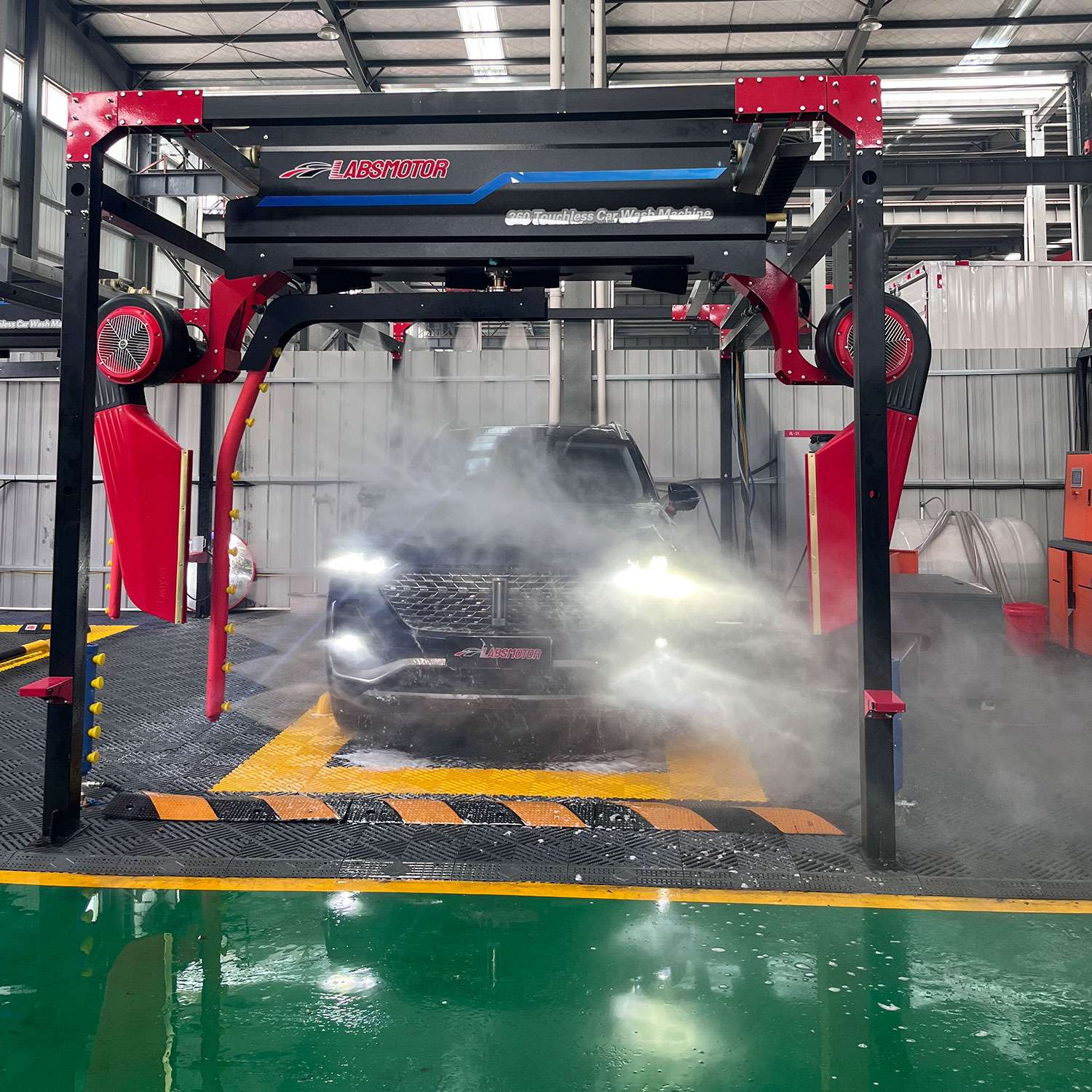
No-touch car washes operate on a fundamental principle: complete avoidance of physical contact with your vehicle’s surface. These systems employ sophisticated engineering to clean through precisely calibrated high-pressure water jets and specially formulated chemical detergents. The process begins with sensors that map your vehicle’s contours, followed by targeted application of cleaning solutions that chemically break down dirt, and concludes with high-pressure rinsing that removes all dissolved contaminants.
The technology’s advantage lies in its absolute elimination of contact-related damage risks. This makes it particularly suitable for vehicles with delicate surfaces, including ceramic coatings, vinyl wraps, and fresh paint jobs that cannot tolerate any abrasive contact, no matter how minimal.
Understanding Soft-Touch Car Wash Systems
Soft-touch systems, sometimes described as “brushless” washes, utilize advanced materials to provide mechanical cleaning without traditional abrasive brushes. Modern facilities employ closed-cell foam materials or microfiber cloth components that glide across surfaces with minimal friction. These materials are specifically engineered to conform to vehicle contours while trapping and lifting away contaminants.
The system’s effectiveness stems from combining gentle mechanical action with cleaning solutions. This dual approach proves particularly effective against stubborn contaminants that require physical agitation for complete removal, such as hardened bug splatter, tree sap, and road film that purely chemical approaches may struggle to dissolve.
Critical Comparison: Paint Safety Considerations
The paint safety aspect represents the most significant differentiator between these technologies:
No-touch systems provide complete peace of mind regarding contact damage. Without any physical interaction, these washes eliminate the possibility of swirl marks, micro-scratches, or surface marring that can occur even with gentle contact methods.
Soft-touch systems, while engineered for safety, introduce a variable maintenance factor. The cleaning materials require rigorous maintenance protocols—regular deep cleaning and replacement—to prevent accumulated contaminants from creating abrasive surfaces. A well-maintained soft-touch system poses minimal risk, but this depends entirely on the facility’s operational standards.
Cleaning Performance: Effectiveness Across Conditions
Each system demonstrates distinct cleaning characteristics:
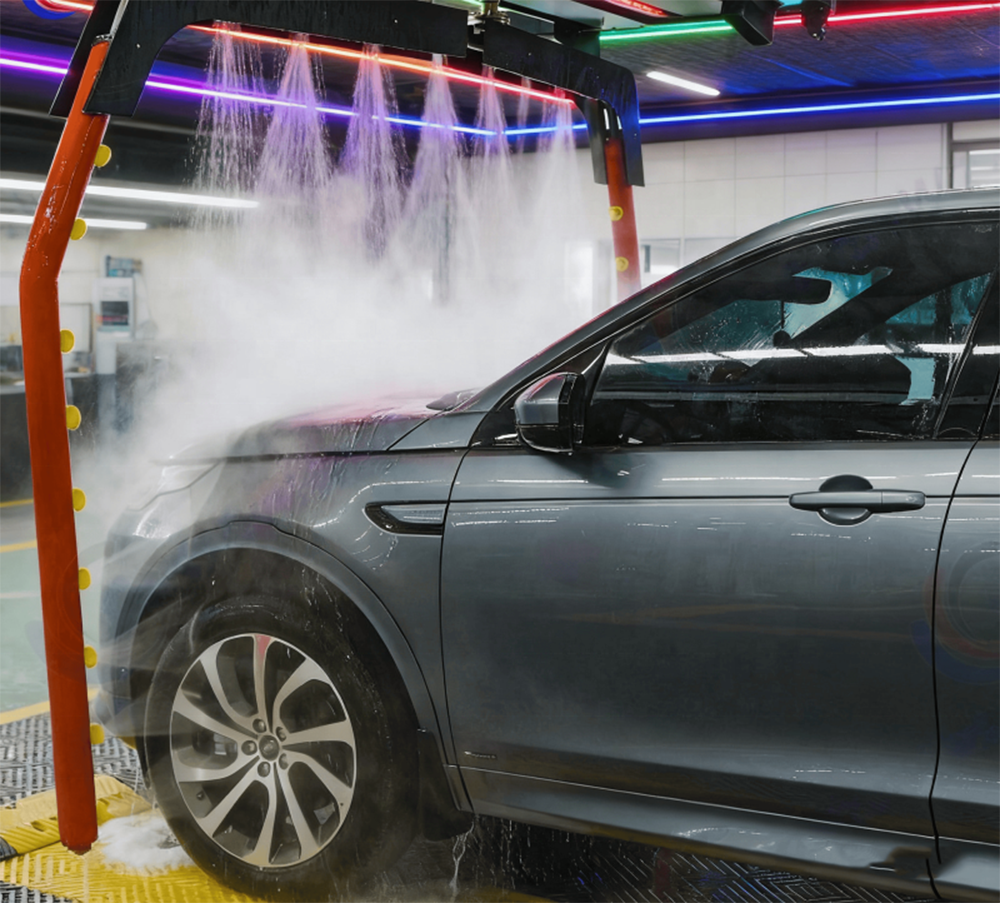
No-touch technology excels at removing loose dirt and dust but may require multiple cycles or stronger chemical solutions for tenacious contaminants. The absence of physical agitation means certain substances may resist removal, particularly in recessed areas or complex body lines where water pressure cannot reach optimal levels.
Soft-touch systems typically deliver more consistent results across various soil conditions. The combination of physical movement and cleaning solutions proves more effective at dislodging particulate matter and bonded contaminants. This becomes particularly valuable during winter months when road salt and grime accumulate in hard-to-reach areas.
Operational and Maintenance Perspectives
From a operational standpoint, significant differences emerge:
No-touch systems benefit from simpler mechanical maintenance with fewer moving parts that contact vehicles. However, they require precise calibration of chemical dilution ratios and pressure settings, along with regular nozzle inspections to maintain cleaning effectiveness.
Soft-touch systems demand more intensive daily maintenance, including thorough cleaning of contact materials and regular inspection for wear or contamination. The operational risk increases if maintenance protocols lapse, potentially compromising the very paint protection the system is designed to provide.
Making the Right Choice for Your Vehicle
Your decision should reflect your vehicle’s specific needs and your personal priorities:
Choose no-touch washing if:
Your vehicle has specialty finishes (ceramic coatings, matte paint, vinyl wraps)
Paint preservation outweighs ultimate cleaning power in your priorities
You typically wash before heavy contamination accumulates
Choose soft-touch washing if:
You frequently deal with stubborn contaminants like bug residue or road film
Your vehicle experiences heavy soiling conditions
You’ve verified the facility’s maintenance standards and reputation
For optimal results, many car owners employ a strategic approach: using no-touch systems for regular maintenance washes and reserving soft-touch cleaning for periods of heavy contamination, always ensuring they patronize facilities with transparent maintenance practices.
Experience Advanced No-Touch Cleaning
Our facility’s no-touch system represents the evolution in contact-free cleaning technology. Through precisely engineered water distribution, environmentally responsive cleaning solutions, and comprehensive coverage patterns, we deliver thorough cleaning without compromise to your vehicle’s finish. Visit us to experience how advanced no-touch technology can maintain your vehicle’s appearance while providing complete peace of mind.
Get In Touch With Us



 English