

If you’re considering investing in a no-touch car wash system, it’s essential to understand the cost breakdown, financing options, and return on investment. This guide will help you navigate the price expectations and factors that influence the cost of no-touch car wash equipment, enabling you to make an informed decision. We’ll move beyond basic sticker prices to discuss the real-world financial commitments and strategic considerations that determine long-term success.
Setting Realistic Budget Expectations
Before diving into specific pricing, it’s important to set realistic expectations for your investment. A no-touch car wash system—also known as a touchless car wash—uses high-pressure water jets and specialized detergents to clean vehicles without any physical contact. This reduces wear on vehicles and appeals to a broad customer base, especially those concerned about scratches or swirl marks on newer paints, matte finishes, and electric vehicles with sensitive sensors.
When budgeting, many first-time owners make the mistake of focusing solely on the equipment invoice. A more prudent approach is to consider the total cost of ownership (TCO), which encompasses all expenses over a 3-5 year period. This holistic view includes:
Equipment purchase or lease: The core capital expenditure.
Installation costs: Often variable and site-dependent.
Utility upgrades (water, drainage, electricity): Necessary infrastructure changes, which can be substantial if your site requires a new three-phase electrical service or a dedicated water line.
Maintenance and cleaning supplies: Recurring costs for parts, service contracts, and system cleaners.
Software and automation systems: Ongoing subscriptions for payment processing, customer relationship management (CRM), and control software updates.
Price Range for Entry-Level No-Touch Systems
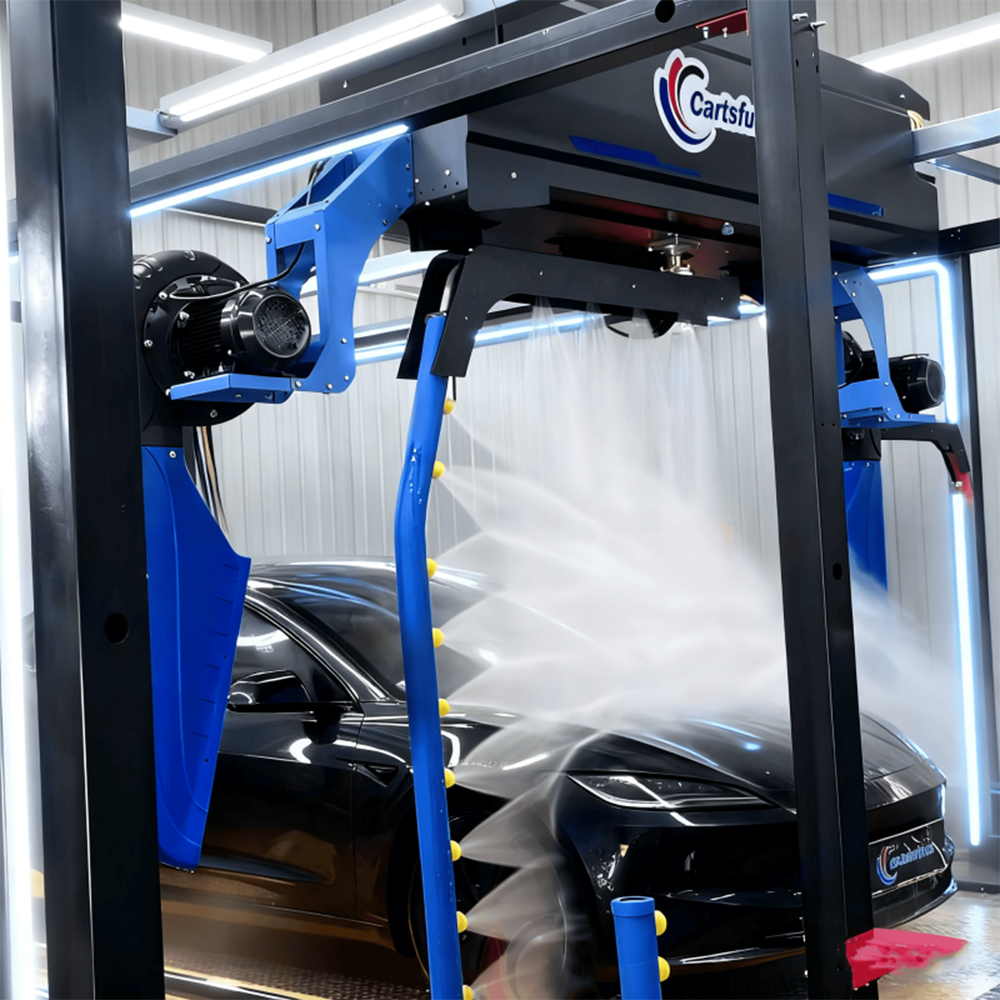
For those starting out, testing a new market, or operating in low-to-moderate traffic areas, entry-level no-touch car wash systems offer a more accessible point of entry. These systems typically include the essentials for touch-free operation:
One standard wash bay
Basic automation for a pre-programmed wash cycle
Standard chemical and detergent delivery systems
A foundational control unit
Estimated price range: $30,000 to $55,000
Installation & setup costs: $10,000 to $20,000 (assuming minimal site complications)
While more affordable, entry-level models may have lower throughput (fewer cars per hour) and fewer customization options. They might also use more water and chemicals per wash compared to advanced systems with precision dosing. However, they are a proven and ideal solution for small businesses, rural areas, or as a supplementary service at gas stations and auto repair shops looking to add a valuable amenity without a massive capital outlay.
Price Range for High-Throughput Professional Systems
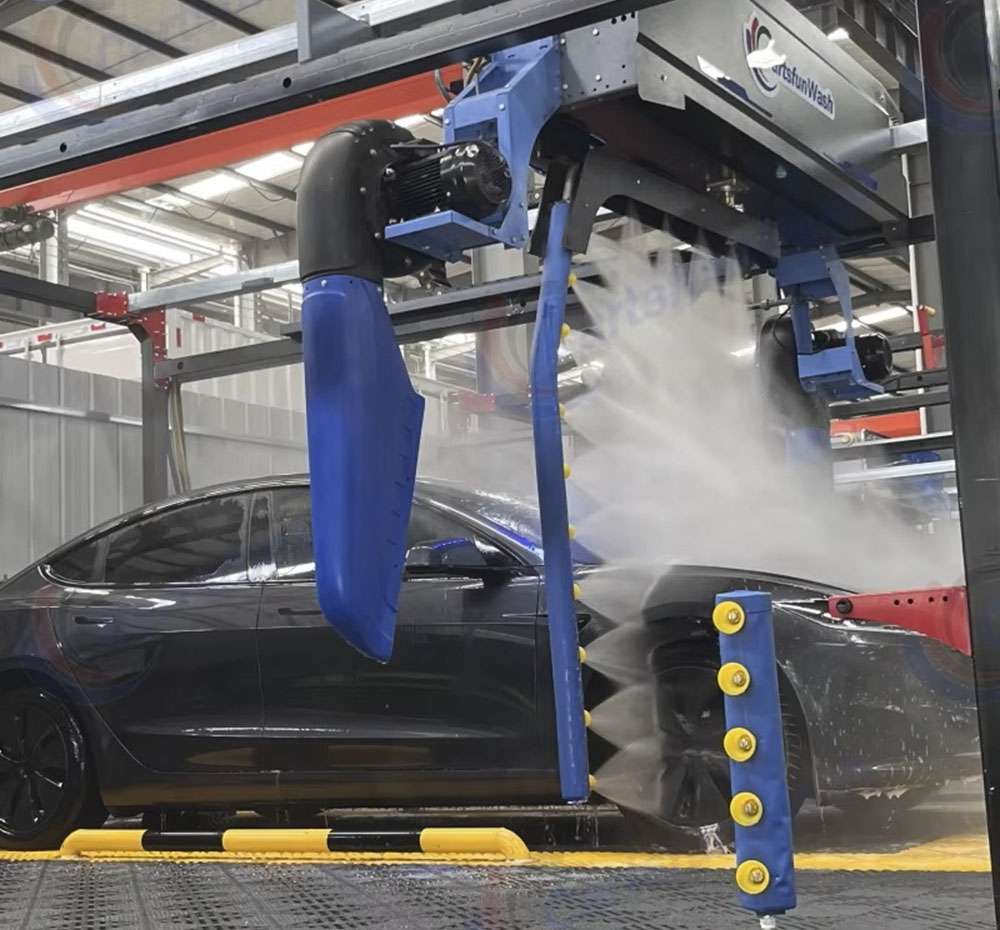
If your location expects high traffic volume, you’re building a dedicated express wash facility, or you aim to capture a premium market segment, investing in a professional-grade no-touch system is the way to go. These systems are engineered for performance, efficiency, and durability. They offer:
Multiple lanes or bays for simultaneous service
Fast cycle times (often under 3 minutes) to maximize daily vehicle count
Advanced sensors for vehicle profiling and targeted cleaning
Premium, multi-stage chemical delivery and foam-bath systems
Integrated water reclamation and high-speed drying systems
Robust construction designed for continuous operation
Estimated price range: $80,000 to $200,000+
Installation & site preparation costs: $30,000 to $100,000 (highly dependent on civil work, utility upgrades, and whether a water reclaim system is installed)
These high-end systems are designed to deliver a quick ROI in high-demand environments such as busy urban corridors, near highways, or adjacent to large shopping centers and residential zones. Their efficiency in water, chemical, and energy use translates directly to lower operating costs per vehicle, protecting your margins.
What Drives the Price Difference?
Several key factors create the wide cost spectrum in no-touch car wash equipment. Understanding these elements helps you evaluate what you’re truly paying for and ensures you’re comparing similar systems when soliciting quotes.
System Capacity & Throughput: A system engineered to wash 100+ cars per day reliably requires more powerful pumps, larger chemical tanks, heavier-duty components, and a more robust frame than one built for 30 cars a day. Higher capacity directly correlates to higher material and engineering costs.
Automation Level & Technology: Basic timers versus AI-driven sensors that adjust the wash for each vehicle’s size and soil level represent a major price jump. Features like automatic tire applicators, integrated license plate readers for membership tracking, and sophisticated customer interface screens all add cost but also add value and operational ease.
Build Quality & Brand Reputation: Equipment from established manufacturers like PDQ, Washworld, or Istobal often commands a premium due to proven reliability, extensive R&D, and strong resale value. This can be worth the investment for reduced downtime and long-term peace of mind.
Water Recycling Systems: Eco-friendly models with closed-loop water reclaim systems add significantly to the upfront cost but dramatically reduce long-term water and sewer bills. In many regions with high utility costs or environmental regulations, this is a critical investment that pays for itself.
Software Integration: The “brain” of the operation matters. Advanced software enabling seamless POS integration, dynamic pricing, loyalty programs, and remote diagnostics will increase the price but is central to modern, efficient operations.
Warranty & Support: A longer, more comprehensive warranty and access to 24/7 technical support typically come with a higher initial price tag. This can be a wise investment to mitigate future repair risks and ensure maximum uptime.
Leasing vs. Buying: Financing Your Equipment
When it comes to acquiring your no-touch car wash system, you have two main financial pathways: leasing or buying. The right choice depends on your cash flow, tax situation, and long-term business goals.
Buying
Higher upfront cost: Requires significant capital.
Full ownership: You own the asset outright, which can be used as collateral.
May qualify for tax benefits: In the U.S., for example, the Section 179 deduction can allow for immediate expensing of the equipment.
Better long-term ROI: After the loan is paid, your monthly costs drop significantly, boosting profit.
Leasing
Lower upfront investment: Often requires little to no down payment, preserving capital for marketing and operations.
Fixed monthly payments: Easier for predictable budgeting.
Easier upgrades: At the end of the lease term, you can upgrade to the latest technology without a major sell/buy process.
May include maintenance: Some lease agreements bundle routine service, simplifying operations.
Is a No-Touch Car Wash a Profitable Investment?
Absolutely—a well-planned no-touch car wash can be a highly profitable and resilient business. The model offers several inherent advantages:
Low labor requirements: High automation means one attendant can often manage multiple bays, primarily focusing on customer service and light maintenance.
High throughput: Efficient professional systems can process 12–20 cars per hour per bay, creating strong revenue potential from a small footprint.
Consistent, recurring demand: Car washing is a necessity, not a luxury. Demand is year-round, spiking during seasons with road salt, pollen, or rain.
Strong upselling opportunities: The base wash is just the start. Add-ons like ceramic sealants, underbody wash, tire shine, and interior fragrances can boost the average transaction value by 30-50% or more.
Attractive profit margins: After accounting for all operating costs (utilities, chemicals, maintenance, rent, etc.), a well-run no-touch wash often sees a net profit of $4 to $7 per car. In a high-volume location, this quickly adds up.
Potential ROI timeline: While often cited as 2–5 years, a prime location with effective marketing and operations can see a full return on investment in 18-36 months. The key drivers are daily car count and effective average ticket price.
Next Steps: Requesting a Personalized Quote
Every site and business model is unique. To move from estimates to a firm financial plan, the next step is to request a personalized quote from reputable manufacturers or distributors.
When preparing to request a quote, being organized will get you the most accurate and comparable figures. Be ready to provide:
Your precise location and realistic expected daily car volume.
Site dimensions, layout diagrams, and photos.
A list of desired features (e.g., water recycling, specific dryers, pay stations).
Your preliminary budget range and financing preferences (lease vs. buy).
A detailed quote should itemize equipment, shipping, installation labor and materials, and any recommended ancillary systems. Don’t hesitate to ask for customer references or case studies from similar installations.
Get In Touch With Us



 English