

In today’s competitive logistics landscape, maintaining fleet cleanliness has evolved far beyond simple aesthetics. For delivery fleets and regional distribution centers, a clean truck directly impacts brand perception, driver pride, and vehicle longevity. Light truck wash systems have emerged as essential investments for logistics companies seeking to balance operational demands with professional appearance standards. This comprehensive guide examines how these specialized systems deliver value across modern logistics operations.
The Growing Demand for Fleet Cleanliness in Last-Mile Delivery
Consumer expectations have transformed the logistics industry. When a delivery truck pulls into a driveway or parks at a loading dock, that vehicle becomes a mobile billboard for your company. Customers notice everything from overall condition to how well the vehicle presents your brand.
The rise of last-mile delivery services has intensified this dynamic. With more vehicles spending more time in residential neighborhoods and commercial districts, logistics providers face unprecedented pressure to maintain spotless fleets. Beyond appearances, regular cleaning removes corrosive road salts, industrial fallout, and environmental contaminants that accelerate wear on vehicle components.
Modern logistics operations also contend with heightened hygiene awareness. Clean vehicles signal attention to detail and respect for customers, factors that increasingly influence carrier selection among retail partners and direct consumers alike.
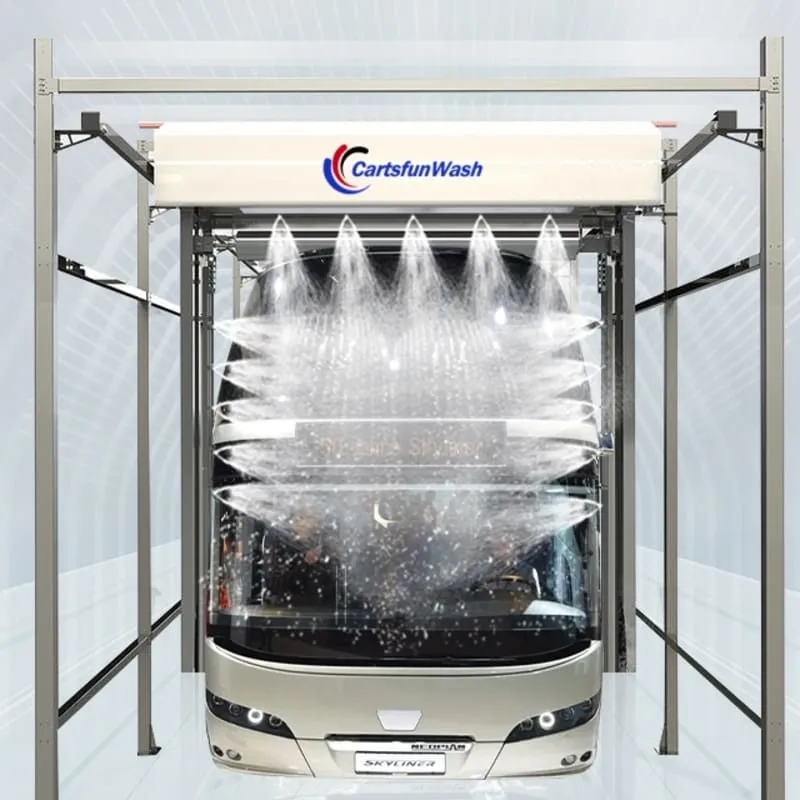
What Are Light Truck Wash Systems? Defining the Category
Light truck wash systems represent a distinct category of automated cleaning equipment engineered specifically for Class 2 through Class 5 vehicles. These include delivery vans, box trucks, cargo vans, and similar vehicles that form the backbone of logistics fleets.
Unlike systems designed for passenger cars or heavy-duty trucks, light truck equipment accommodates the unique dimensions and configurations of delivery vehicles. They handle variations in height, length, and body style while providing thorough coverage of box-shaped profiles that traditional car washes struggle to clean effectively.
These systems bridge an important gap. They offer greater capacity than car wash equipment while requiring less space and infrastructure than heavy-duty truck wash installations. This makes them particularly well-suited for logistics depots, distribution centers, and fleet maintenance facilities where space comes at a premium.
Key Components and Technologies That Drive Performance
Modern light truck wash systems integrate several technologies working in concert to deliver consistent, efficient results.
High-Pressure Washing Systems
Industrial-grade pumps deliver water at precisely controlled pressures, typically ranging from 800 to 1,500 psi. This power removes road film, mud, and surface contaminants without damaging seals, decals, or body panels. Variable pressure controls allow operators to adjust intensity based on soil levels and vehicle sensitivity.
Brush Technology
For logistics fleets prioritizing mechanical cleaning action, soft-touch brush systems use advanced foam materials that encapsulate dirt particles. These brushes conform to vehicle contours, reaching into recessed areas while protecting painted surfaces. Modern brush designs resist wrapping and tangling, reducing maintenance concerns.
Chemical Application Systems
Precision dosing equipment applies specially formulated detergents, degreasers, and waxes. These chemicals break down petroleum-based soils common in logistics operations while enhancing water sheeting for spot-free drying. Application rates adjust automatically based on vehicle size and programmed wash cycles.
Water Recycling and Treatment
Environmental responsibility meets operational savings through integrated recycling technology. Filtration systems remove solids and separate oils, allowing up to 85% of wash water to be captured, treated, and reused. This dramatically reduces water consumption and ensures compliance with increasingly strict discharge regulations.
Automation and Controls
Programmable logic controllers with intuitive interfaces store wash profiles for different vehicle types. Operators select the appropriate program, and the system manages the entire sequence from pre-soak through final rinse. This consistency eliminates the variability of manual washing while reducing labor requirements.
Operational Efficiency and Time Savings for Logistics Providers
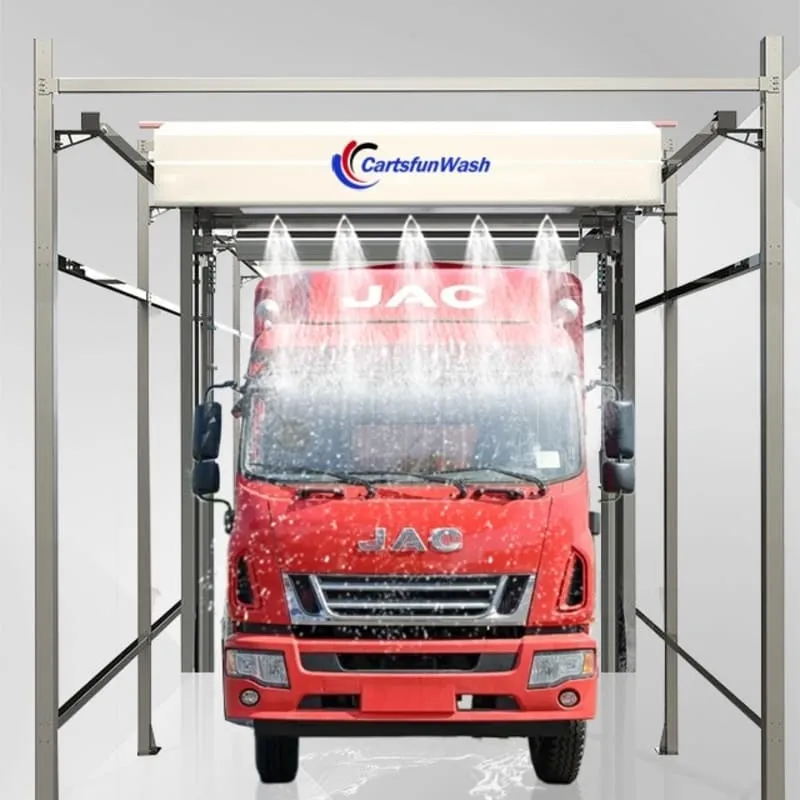
Time represents the most valuable currency in logistics. Every minute a vehicle spends off the road affects delivery schedules and customer commitments. Light truck wash systems address this reality through design focused on rapid throughput.
A typical automated wash cycle completes in three to eight minutes, depending on the selected program and vehicle size. Compare this to manual washing, which can consume 30 to 60 minutes of labor time plus vehicle downtime. The efficiency gain translates directly to more revenue-generating miles.
Many logistics operations schedule washing during natural downtime periods. Vehicles returning from morning routes can pass through the wash bay during driver breaks, emerging clean for afternoon deliveries. Some facilities position wash systems at exit points, allowing drivers to clean vehicles immediately before departing for their next routes.
The labor implications extend beyond time savings. Automated washing reduces the physical demands on staff, lowering injury risks associated with repetitive manual tasks and working from ladders to reach vehicle tops. This contributes to safer workplaces and more sustainable staffing models.
Water Conservation and Environmental Benefits
Water management has become a defining challenge for modern logistics facilities. Traditional washing methods consume enormous volumes, often 100 to 300 gallons per vehicle, much of which becomes contaminated runoff requiring proper disposal.
Light truck wash systems engineered for logistics applications address this through integrated water conservation features.
Closed-Loop Recycling
Advanced filtration systems capture wash water, remove suspended solids through settling tanks and hydrocyclones, and treat it with biocides and pH adjustment before returning it to the wash circuit. This closed-loop approach reduces fresh water consumption to approximately 15-30 gallons per vehicle.
Biodegradable Chemistry
Modern wash chemicals formulated for logistics applications break down safely in treatment systems and the environment. Enzyme-based degreasers tackle petroleum residues without harsh solvents, while biodegradable waxes provide protection without ecological persistence.
Stormwater Compliance
By containing wash water and directing it to treatment rather than storm drains, automated systems help logistics facilities comply with environmental regulations. This eliminates a common source of violations and demonstrates corporate environmental responsibility to customers and communities.
Cost Analysis and Return on Investment for Logistics Fleets
The financial case for light truck wash systems extends beyond the obvious labor savings. A comprehensive ROI analysis reveals multiple value drivers.
Direct Labor Savings
A fleet of 50 vehicles washed weekly requires approximately 1,500 to 2,000 annual labor hours for manual washing. At typical wages plus benefits, this represents $45,000 to $70,000 annually. Automated systems reduce this to minimal operator involvement, often recovering equipment costs within two to three years.
Vehicle Preservation
Regular washing removes corrosive materials that accelerate component failure. Road salt alone causes millions in premature vehicle corrosion annually. By maintaining clean undercarriages and body panels, logistics operators extend vehicle life and delay replacement cycles.
Fuel Efficiency
Clean vehicles experience slightly improved aerodynamics, though the effect is modest. More significantly, clean undercarriages and wheel wells reduce weight from accumulated mud and debris, contributing to marginal but real fuel savings across a large fleet.
Brand Protection
For logistics companies with visible customer presence, vehicle condition influences contract renewals and customer satisfaction scores. The cost of losing a single contract far exceeds any reasonable equipment investment.
Integration with Fleet Management Systems
Modern logistics operations run on data. Integrating wash systems with fleet management software creates opportunities for optimization that standalone equipment cannot provide.
Scheduling algorithms can recommend wash intervals based on vehicle usage patterns, routes traveled, and weather conditions. Vehicles operating in winter conditions or on unpaved roads receive more frequent attention than those on clean highway routes.
Maintenance triggers can link wash events with inspection requirements. When a vehicle enters the wash bay, the system can notify maintenance staff of approaching service intervals, allowing coordinated attention.
Usage data helps fleet managers understand wash frequency across the fleet, identify vehicles that may be missing scheduled cleaning, and optimize chemical and water consumption based on actual demand patterns.
Protecting Fleet Graphics and Branding
For logistics companies, vehicle graphics represent significant investments that must last several years. Light truck wash systems designed with graphics protection in mind use technologies that preserve these valuable assets.
Soft-touch brush materials and pressures adjusted specifically for graphic-covered surfaces prevent edge lifting and abrasion. Touchless options eliminate physical contact entirely for fleets with extensive or sensitive vinyl applications.
Chemical compatibility matters as well. Harsh detergents can degrade vinyl adhesives and fade colors over time. Systems designed for logistics fleets use graphic-safe chemistry that cleans without compromising the bond between vinyl and vehicle surfaces.
Case Studies: Success Stories in Logistics Operations
Regional Food Distribution Fleet
A Midwest food distributor operating 85 light trucks implemented a drive-through wash system at their main distribution center. Previously, drivers spent up to 45 minutes weekly washing vehicles manually. The automated system reduced this to three minutes per vehicle, recovering over 2,000 annual labor hours. Management also noted improved driver morale and more consistent presentation at customer delivery points.
National Parcel Delivery Provider
A major parcel carrier with multiple regional hubs installed light truck wash systems at three high-volume locations. The company documented a 40% reduction in washing-related water consumption and a 25% decrease in vehicle downtime for cleaning. Customer feedback surveys showed improved satisfaction scores in markets where clean vehicles became more visible.
Municipal Fleet Services
A city fleet department serving multiple agencies implemented a shared light truck wash system for their delivery vans and service vehicles. The centralized facility reduced overall washing costs by 35% while improving compliance with stormwater regulations. The system’s ability to handle varying vehicle heights and configurations proved essential for the diverse municipal fleet.
Maintenance and System Longevity
Like the vehicles they clean, wash systems require regular attention to perform reliably over years of service. Understanding maintenance requirements helps logistics operators budget appropriately and avoid unexpected downtime.
Daily operator checks typically include inspecting nozzles for clogs, verifying chemical levels, and testing safety systems. Weekly maintenance involves lubricating moving components, checking belt tensions, and inspecting brushes for wear. Quarterly professional service addresses pumps, electrical systems, and structural components.
Choosing equipment with readily available parts and local service representation minimizes downtime when issues arise. Manufacturers with established distribution networks can typically ship critical components within 24 hours, while those with limited reach may require extended delays.
Future Trends and Innovations in Light Truck Washing
The logistics industry continues evolving, and wash technology evolves alongside it. Several trends will shape the next generation of light truck wash systems.
Artificial Intelligence and Machine Learning
AI-driven systems will learn from each wash, adjusting parameters based on soil levels, vehicle types, and environmental conditions. These systems will predict maintenance needs before failures occur and optimize chemical usage for changing conditions.
Robotic Integration
Advanced robotics will enable more precise cleaning of complex vehicle geometries. Robotic arms equipped with specialized tools will address wheel wells, undercarriages, and other high-soil areas with unprecedented thoroughness.
Sustainable Chemistry
Continuing advances in biochemistry will produce cleaning agents that outperform current products while degrading completely and safely. Enzyme-based formulations tailored to specific soil types will become more sophisticated and effective.
Data Integration
Wash systems will function as data nodes within comprehensive fleet management ecosystems. Real-time condition monitoring will trigger wash events based on actual soil accumulation rather than fixed schedules.
Strategic Value for Modern Logistics Fleets
Light truck wash systems have progressed from convenience equipment to strategic assets for logistics providers. They deliver measurable returns through labor savings, vehicle preservation, and operational efficiency while supporting brand presentation and environmental compliance.
For logistics companies evaluating automation investments, wash systems offer one of the fastest payback periods among fleet support equipment. The combination of direct cost savings and indirect benefits creates compelling value that strengthens over the equipment’s operating life.
In an industry where every advantage matters, maintaining a consistently clean fleet signals professionalism to customers, pride to employees, and operational excellence to competitors. Light truck wash systems make this advantage achievable and sustainable for logistics fleets of any size.
Get In Touch With Us


 English