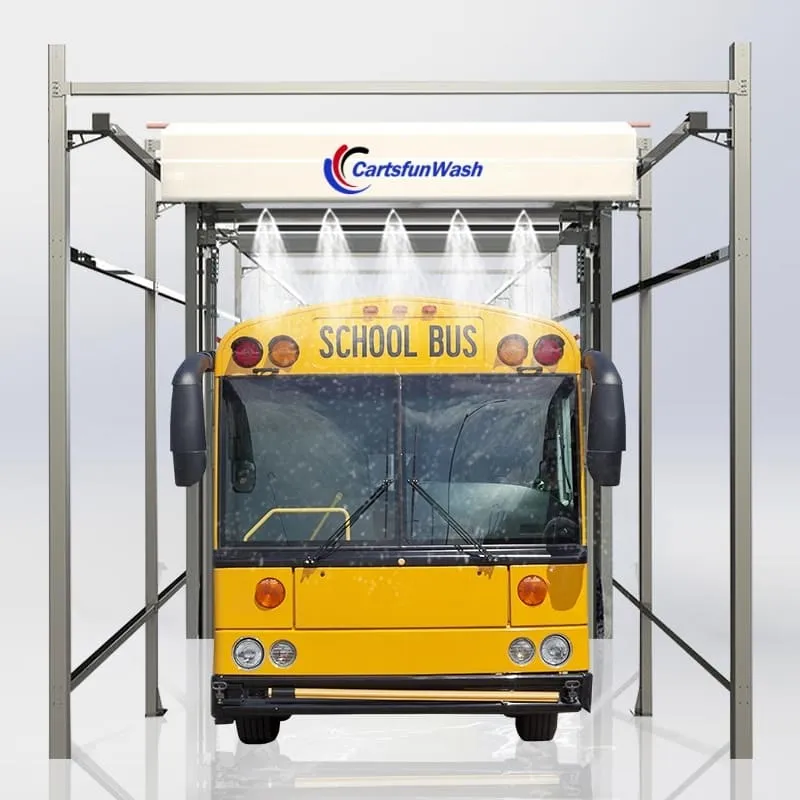
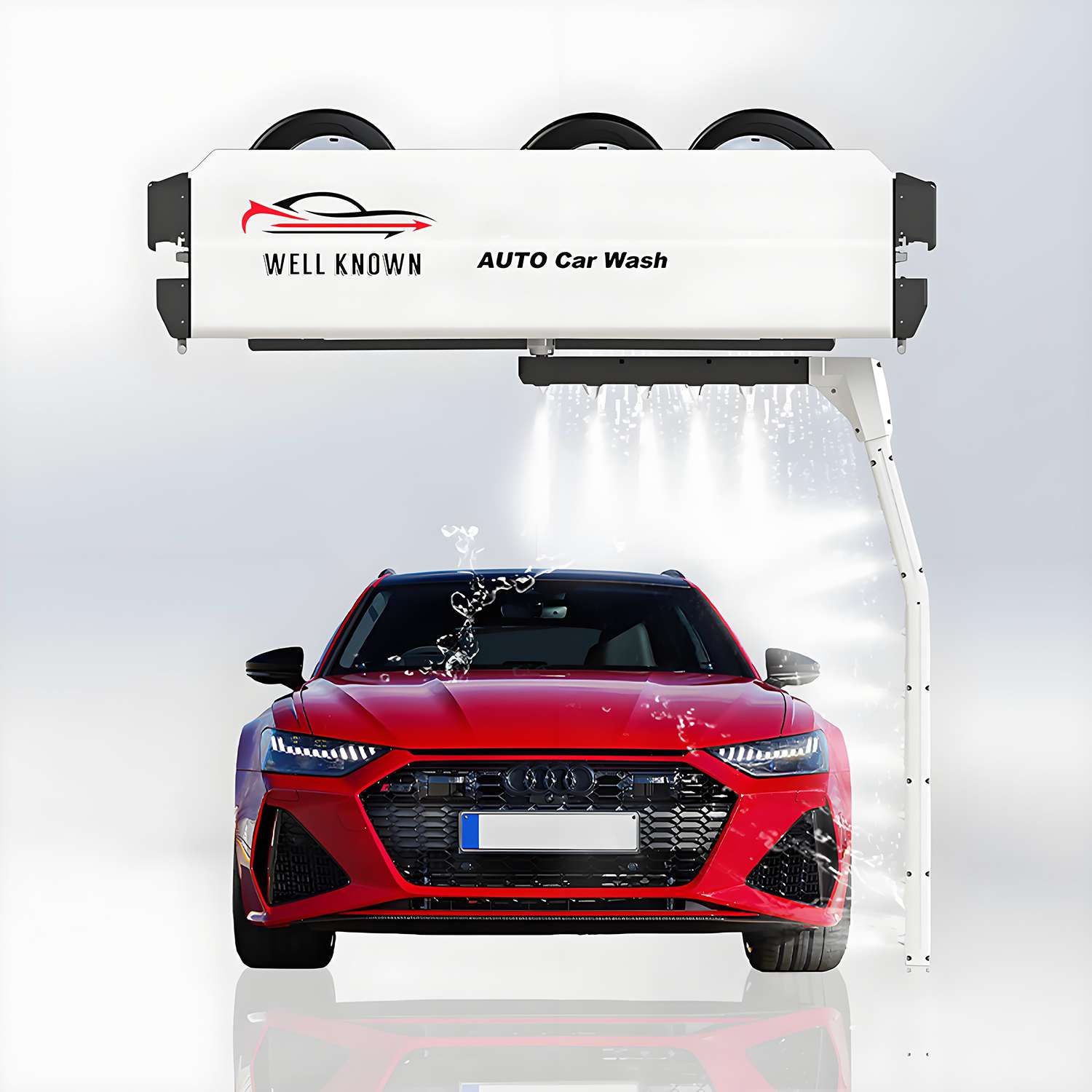
WK 500 Touchless Car Wash Machine 010

As a significant commercial asset, the operational reliability and service life of an automatic car wash system are directly tied to business profitability and cost control. Many operators recognize that extending the equipment’s service cycle relies not just on reactive repairs, but on implementing a scientific and proactive maintenance regimen. Establishing standardized daily procedures, performing regular core component inspections, and adopting a professional preventive maintenance plan can significantly reduce failure rates and prevent minor issues from escalating into major downtime. This article will systematically outline how refined maintenance practices can maximize the operational efficiency and return on investment of your automatic car wash system.
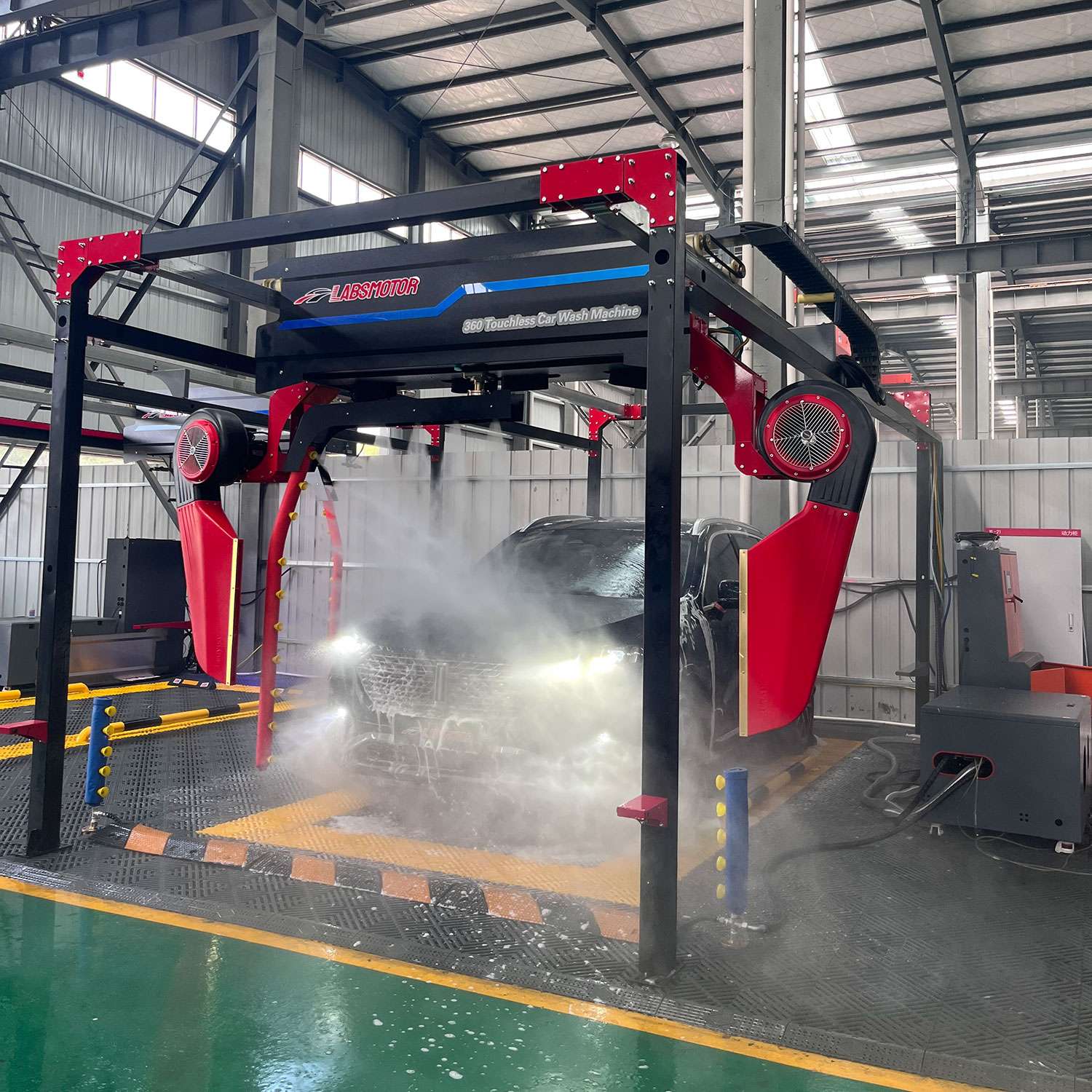
Automatic Car Wash Machine 02

I. Proper Operation

  • Standardize Operating Procedures: Strictly follow the system’s operation manual. Before starting, ensure vehicles are correctly positioned and the surrounding area is clear of obstacles to avoid impact damage caused by improper operation.

  • Manage Wash Frequency: Avoid excessive use. Overly frequent operation can lead to accelerated wear and tear on various components. Schedule washes based on the actual level of vehicle dirtiness.

  • Select Appropriate Wash Programs: Choose the correct wash setting based on vehicle type and soil level. Using an incorrect program can cause the system to be overloaded or deliver poor cleaning results, negatively impacting its longevity.

II. Routine Maintenance

  • Clean the Equipment: After each use, promptly clean the system’s exterior surfaces, removing grime, water spots, and residual cleaning agents to prevent corrosion of the housing and parts. Regularly clean internal components like spray nozzles and brushes, clearing any clogs or entangled debris to ensure proper function.

  • Inspect Components: Conduct regular inspections of key parts such as motors, pumps, drive belts, and chains. Look for signs of looseness, wear, or leaks. Tighten any loose connections promptly and replace severely worn parts to prevent minor issues from developing into major failures.

  • Lubricate Moving Parts: Adhere to the manufacturer’s recommendations for lubricating specific components like bearings and tracks. Use the correct lubricants to ensure effectiveness, reduce friction between parts, and minimize wear.

  • Manage Water Quality: If the system uses a water recycling feature, clean the water tank regularly to prevent the buildup of scale, sediment, and other impurities. Install a filtration system to treat the water supply, protecting components like nozzles and pumps from clogging and abrasion damage.

III. Scheduled Professional Maintenance

  • Arrange Professional Servicing: Schedule comprehensive inspections and maintenance by qualified technicians periodically, typically every six months or annually. Technicians can perform in-depth diagnostics, identify potential problems, and conduct specialized repairs and adjustments.

  • Update Software Systems: Keep the control system software updated to ensure stable performance and optimized functionality. Updates often resolve potential bugs and can enhance operational efficiency, contributing to a longer service life.

IV. Environment and Storage

  • Optimize the Operating Environment: Whenever possible, install the car wash system indoors or under a protective canopy. Shielding the equipment from prolonged exposure to harsh weather—such as direct sunlight, heavy rain, or snow—helps prevent housing deterioration and component rust.

  • Store Idle Equipment Properly: If the system will be unused for an extended period, perform a thorough cleaning and maintenance routine first. Then, disconnect the power supply, and drain all water from hoses and tanks to prevent freeze damage. Finally, cover the system with a protective tarpaulin and store it in a dry, well-ventilated area.

Get In Touch With Us