
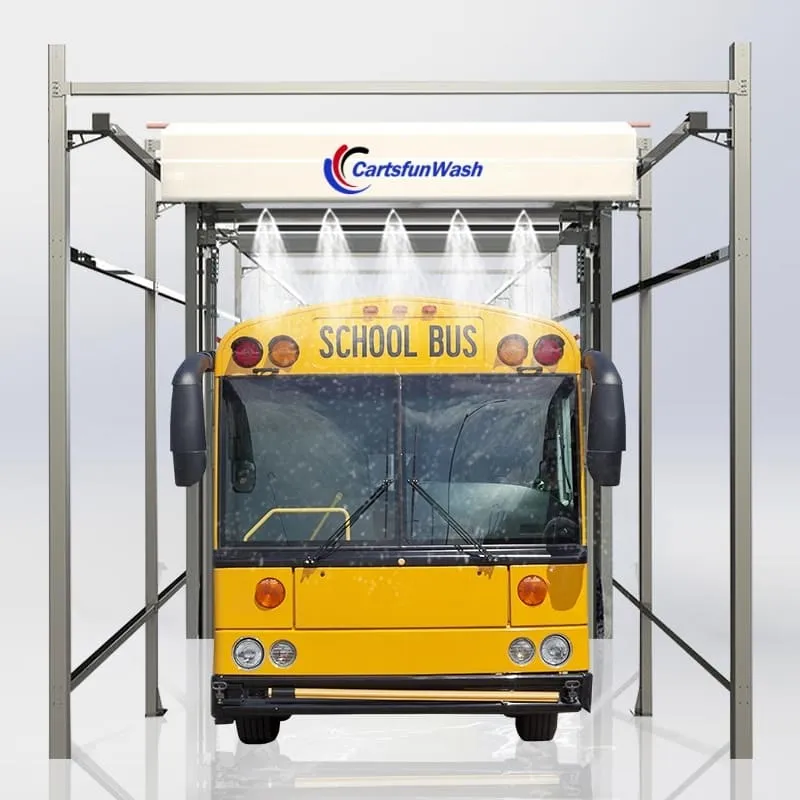
In the competitive world of passenger transportation, the visual appeal of your fleet serves as your company’s first impression. A spotless, gleaming coach isn’t just about aesthetics; it’s a direct reflection of your commitment to quality, safety, and passenger comfort. As operational demands intensify and hygiene standards rise, automated coach bus wash machines have transitioned from a luxury to an absolute necessity. This guide explores why modern depots are adopting automated systems and how to select the right heavy-duty washing equipment to protect your investment and streamline your workflow.
Why Progressive Coach Operations Are Ditching Manual Washing
Today’s passengers expect more than just a ride; they expect an experience. This expectation places fleet cleanliness at the forefront of operational priorities. Manual washing, however, is often too slow, inconsistent, and labor-intensive to keep up with the strict turnarounds of modern schedules. By integrating automated washing solutions, fleet managers can achieve a uniform, high-quality clean every time. These systems drastically cut labor costs and water usage while handling high volumes of vehicles with precision. For operations running tight schedules, the speed and reliability of an automatic system offer a competitive edge that manual methods simply cannot provide.
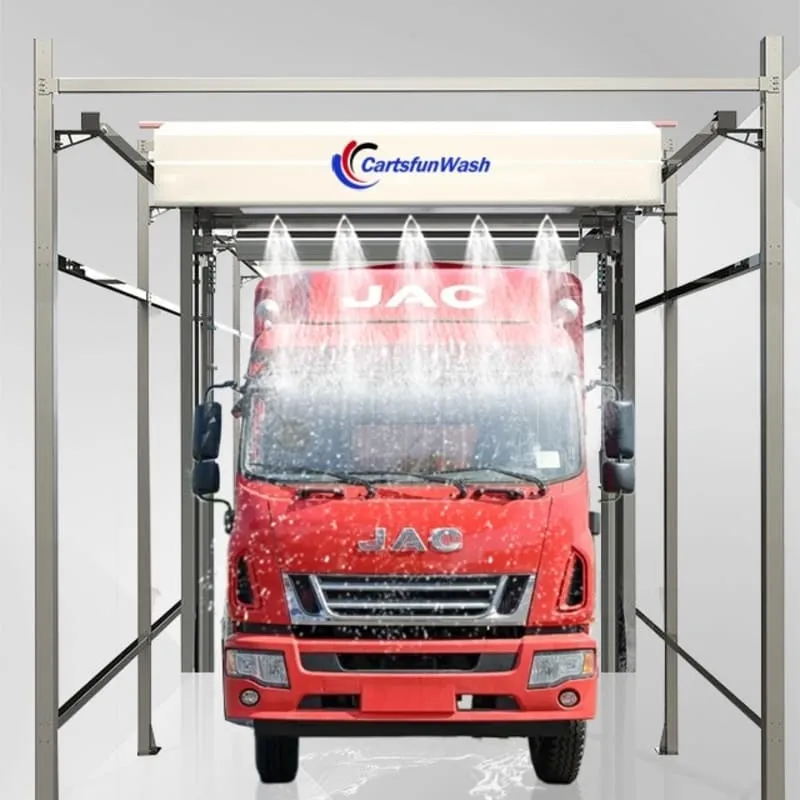
Essential Features to Prioritize in Bus Washing Equipment
Selecting the right coach wash system requires a careful look beyond the basic specifications. To ensure you are investing in a solution built for the long haul, focus on these critical features:
Total Automation & Labor Efficiency: Prioritize systems designed to operate with minimal human intervention. Advanced PLC (Programmable Logic Controller) systems allow staff to initiate wash cycles with a single button, freeing your team to focus on pre-trip inspections, fueling, and interior detailing.
Fleet Versatility: A diverse fleet may include everything from minibuses to double-decker coaches. Your chosen equipment must offer the flexibility to adjust to varying heights, widths, and contours without manual adjustments or risk of damage.
Advanced Wash Mechanisms: Decide between brush and touchless technologies. Modern, high-density foam brushes are designed to be gentle yet effective, while touchless systems rely on high-pressure water and chemistry to lift dirt. The right choice depends on your specific soil conditions and finish preferences.
Maximizing Throughput: Matching Wash Speed to Operational Demand
In the depot environment, time is money. Throughput—the number of vehicles cleaned per hour—is the metric that dictates whether your wash bay becomes a bottleneck or a seamless part of your logistics. When evaluating commercial bus wash machines, it is vital to match the cycle time to your peak operational windows. A system with rapid dwell times ensures that coaches move through the wash bay quickly and return to service, minimizing downtime. Investing in high-speed gantry or drive-through systems can significantly enhance your depot’s overall efficiency, especially during the rush to get vehicles back on the road.
Protecting Your Assets: The Rise of Gentle Cleaning Technologies
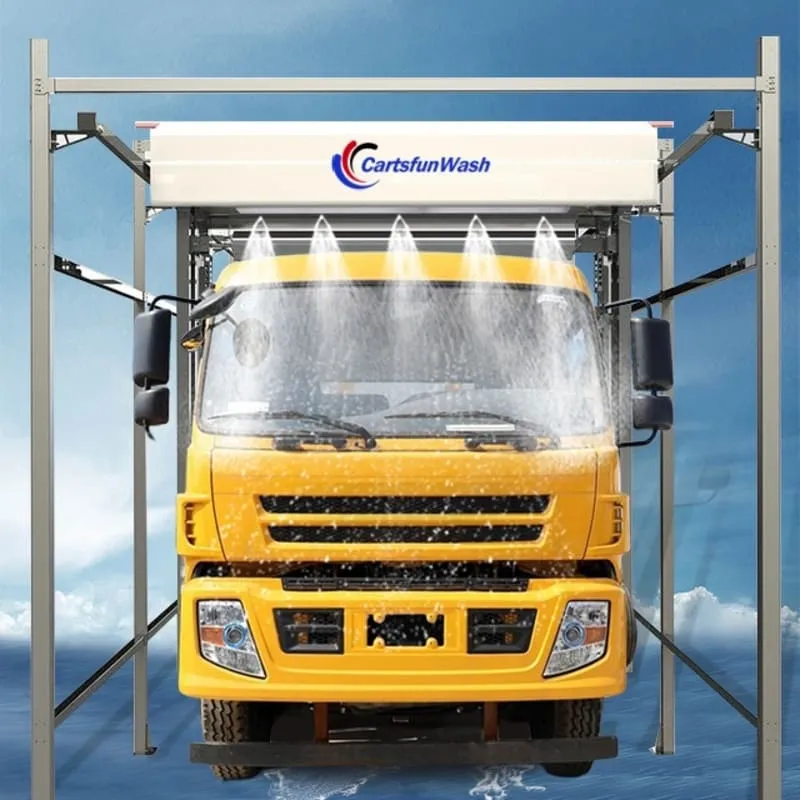
Modern coaches represent a significant capital investment, often featuring intricate decals, polished aluminum wheels, and high-gloss paint finishes. Aggressive cleaning methods can lead to micro-abrasions, fading, and costly re-branding. This is why leading coach wash equipment now incorporates gentle cleaning technologies. Look for features like soft-touch foam brushes with closed-cell foam that encapsulates dirt, or high-pressure, low-friction rinsing systems. These technologies are engineered to provide a deep clean that preserves the integrity of your high-value finishes, ensuring your fleet maintains its showroom shine for years to come.
Sustainable Operations: Advanced Water Management for Depots
With water scarcity becoming a global concern and regulations tightening, sustainable practices are no longer optional. Implementing effective water management strategies in your depot is crucial for both compliance and cost savings. Modern recycling systems can capture, filter, and reuse up to 90% of the water from each wash cycle. By integrating water treatment and reclamation technologies, you not only slash your utility bills but also position your company as an environmentally responsible operator—a powerful selling point when bidding for contracts with eco-conscious clients.
Seamless Integration with Fleet Maintenance Operations
To achieve true operational excellence, your washing equipment should not exist in a silo. The most efficient depots integrate the wash bay directly into the broader fleet maintenance workflow. By aligning cleaning schedules with routine safety inspections and preventative maintenance, you create a smooth, logical pipeline for each vehicle. This coordinated approach ensures that while a bus is being cleaned, technicians can simultaneously check for fluid leaks, tire wear, or body damage, contributing to the overall health, safety, and long-term reliability of your fleet.
Calculating Long-Term Value: Durability and Manufacturer Support
Purchasing a coach bus wash machine is a major capital expenditure. Therefore, looking beyond the initial price tag to assess the long-term value is essential. Investigate the build quality—are the frames hot-dip galvanized to resist rust? Are the components sourced from reliable industrial suppliers? Equally important is the manufacturer’s commitment to after-sales support. A comprehensive warranty and a responsive service network for spare parts and technical assistance can be the difference between a minor hiccup and costly, extended downtime. Choosing a durable machine backed by reliable support ensures that your investment continues to pay dividends for a decade or more.
Get In Touch With Us


 English