
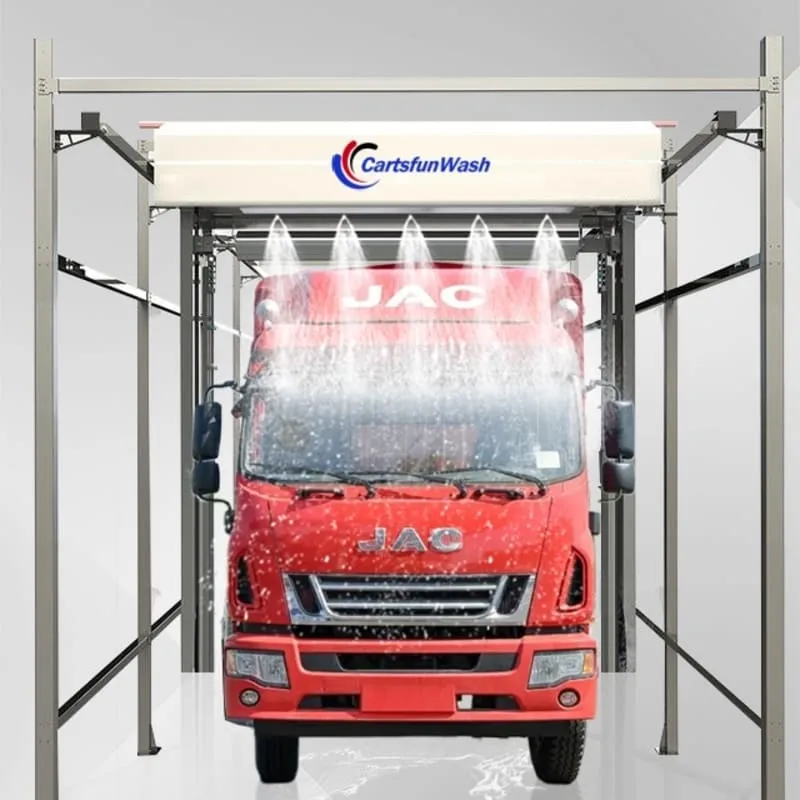
In the daily operations of a 4S dealership (Sales, Spare Parts, Service, Survey), car wash equipment does far more than just clean vehicles. It directly shapes the customer experience, influences new car delivery quality, and impacts the efficiency of after-sales workflows. Choosing the right equipment, configuring it properly, and aligning it with service department processes are key steps to improving delivery efficiency, reducing rework, and maintaining a strong brand image. The following practical advice covers multiple angles to help dealerships make informed decisions that fit their actual needs.
Understanding the Role of Car Wash Equipment in a 4S Dealership
Washing serves both as a customer-facing service and a critical part of workshop operations. For customers, a clean vehicle at delivery or after service leaves a lasting impression and builds trust. For the workshop, washing supports essential work like paint and body repair, vehicle preparation, and routine maintenance. New car prep (New Car Prep) demands particular attention: wheel wells, door gaps, undercarriages, and the edges of protective film all require careful handling, with paint protection taking priority over a basic rinse.
Assessing Space and Workflow
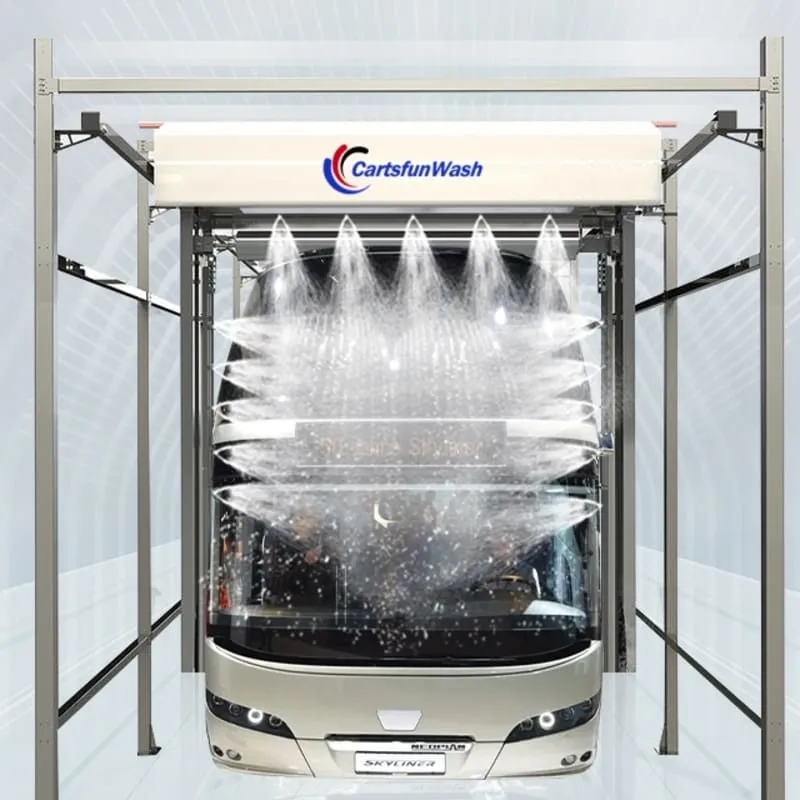
Before selecting equipment, conduct a thorough on-site evaluation. Key factors include available floor space, entry and exit height, vehicle flow paths, drainage slope, and existing electrical and water connections. A well-planned vehicle flow helps avoid intersections between the wash bay and test-drive routes or repair areas, reducing safety risks and wasted time. Also pay attention to water usage permits and wastewater discharge regulations—many cities have strict requirements for dealerships. Planning ahead for sedimentation tanks and water treatment space can prevent costly retrofits later on.
Defining Throughput and Business Priorities
Different business activities have varying demands on washing capacity. It helps to consider three main categories:
Service Lane: Prioritizes speed and reliability, aiming to minimize wait times for customers.
New Car Prep: Focuses on detail and surface treatment, with longer cycle times per vehicle.
Courtesy Wash: Emphasizes customer experience and a glossy finish, often used to boost satisfaction.
Calculate the required number of wash bays and cycle times based on average daily volume, peak-hour demand, and new car delivery numbers. Properly sizing capacity helps avoid long queues during busy periods and prevents delays in vehicle handovers.
Tunnel or In-Bay Automatic?
This is often a central decision point when selecting equipment.
Tunnel Systems: Ideal for dealerships with high daily wash volumes and a need for continuous flow. They offer high throughput and automation but require more floor space and a larger upfront investment.
In-Bay Automatics: More flexible and compact, with lower initial costs. They suit locations with space constraints or moderate throughput needs, and allow for phased upgrades as business grows.
The right choice depends on balancing throughput requirements, available space, and budget—there’s no one-size-fits-all answer.
Touchless vs. Soft-Touch: Balancing Paint Protection and Cleaning Power
These two technologies each have strengths, and many dealerships use a combination based on vehicle type or service scenario.
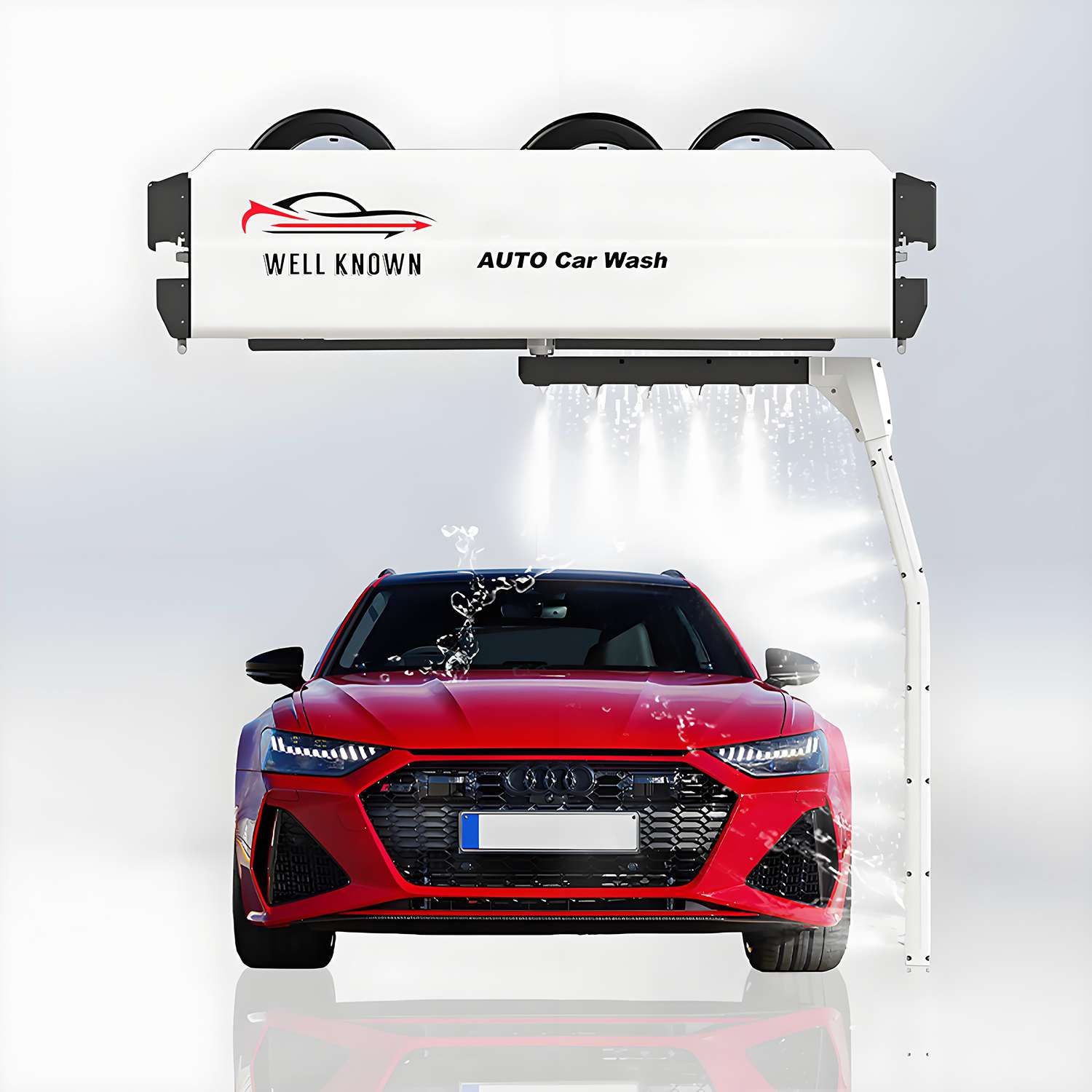
Touchless Wash: Uses high-pressure water and chemicals to clean without physical contact, eliminating the risk of fine scratches from brushes. It’s a preferred option for new vehicles and premium customers. However, it may be less effective on stubborn dirt like heavy mud or insect residue.
Soft-Touch Wash: Employs soft foam brushes to provide mechanical cleaning, resulting in consistent shine and thorough dirt removal. But brush maintenance is critical—poorly maintained brushes can trap debris and cause minor surface marks.
A common approach in dealerships is to use touchless or hand-finish methods for new cars and high-end clients, while relying on soft-touch systems for regular after‑sales vehicles to balance efficiency and results.
Water Treatment and Recycling: Compliance and Cost Control
Dealerships often face restrictions on water usage and strict wastewater discharge regulations. A properly designed water treatment and recycling system helps meet compliance requirements while lowering long-term operating costs.
A recommended setup includes: sedimentation tank, oil and grease interceptor, multi-stage filtration (sand filter, activated carbon, or membrane), and UV or ozone disinfection. Pairing this with variable-frequency pumps, pressure-regulated wash guns, and water-saving programs can reduce overall consumption without compromising cleaning quality—benefiting both sustainability efforts and the bottom line.
Chemicals and Dosing Systems: Consistent Results with Less Waste
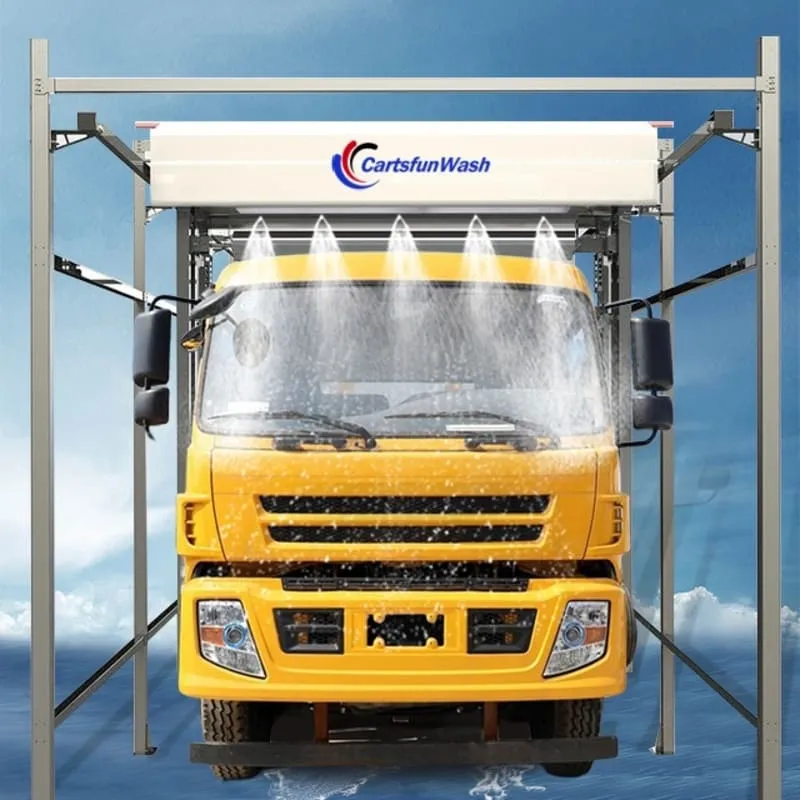
The quality and consistency of a wash depend heavily on the chemicals used and how they are applied. Different tasks call for specific products: degreasers, concrete residue removers, wheel cleaners, neutral maintenance shampoos, and protective sealants.
Automated metering pumps, centralized chemical mixing stations, or digital dosing systems ensure accurate dilution every time, reducing human error and helping control chemical costs. Storage areas should meet fire and safety standards, and an emergency spill response procedure should be in place—details that are easy to overlook but essential for smooth operations.
Integrating Wash Processes with Service Workflows
Washing should not be treated as an afterthought. It works best when embedded into the service workflow: scheduling wash time during maintenance or repair appointments, including wash completion on delivery checklists, and recording wash status in the Dealer Management System (DMS). System integration allows for wash bay reservations, automated task triggers (such as a required wash after paintwork), and traceable records—improving operational efficiency and providing documentation in case of customer questions.
Special Considerations for New Car Delivery
New vehicles often accumulate transport grime, industrial dust, or fine surface marks during shipping and storage. Delivery preparation should go beyond a standard wash. Consider adding gentle decontamination, light polishing or sealant application, and a detailed inspection of door jambs, underbody, and wheels. Using a delivery checklist with photo documentation helps maintain consistent quality and provides a reference point if any concerns arise later.
Installation and Construction: Minimizing Operational Disruption
Long-Term Maintenance and Parts Support
How to Make the Final Configuration Decision
Get In Touch With Us



 English