

As a modern car washing method, touch-free car wash systems have gained popularity in recent years due to their efficiency and convenience. However, many people still wonder whether touch-free car washes can truly clean a vehicle thoroughly. This article will analyze the working principles, cleaning effectiveness, and pros and cons of touch-free car wash systems to explore whether they can achieve a deep and complete clean for your vehicle.
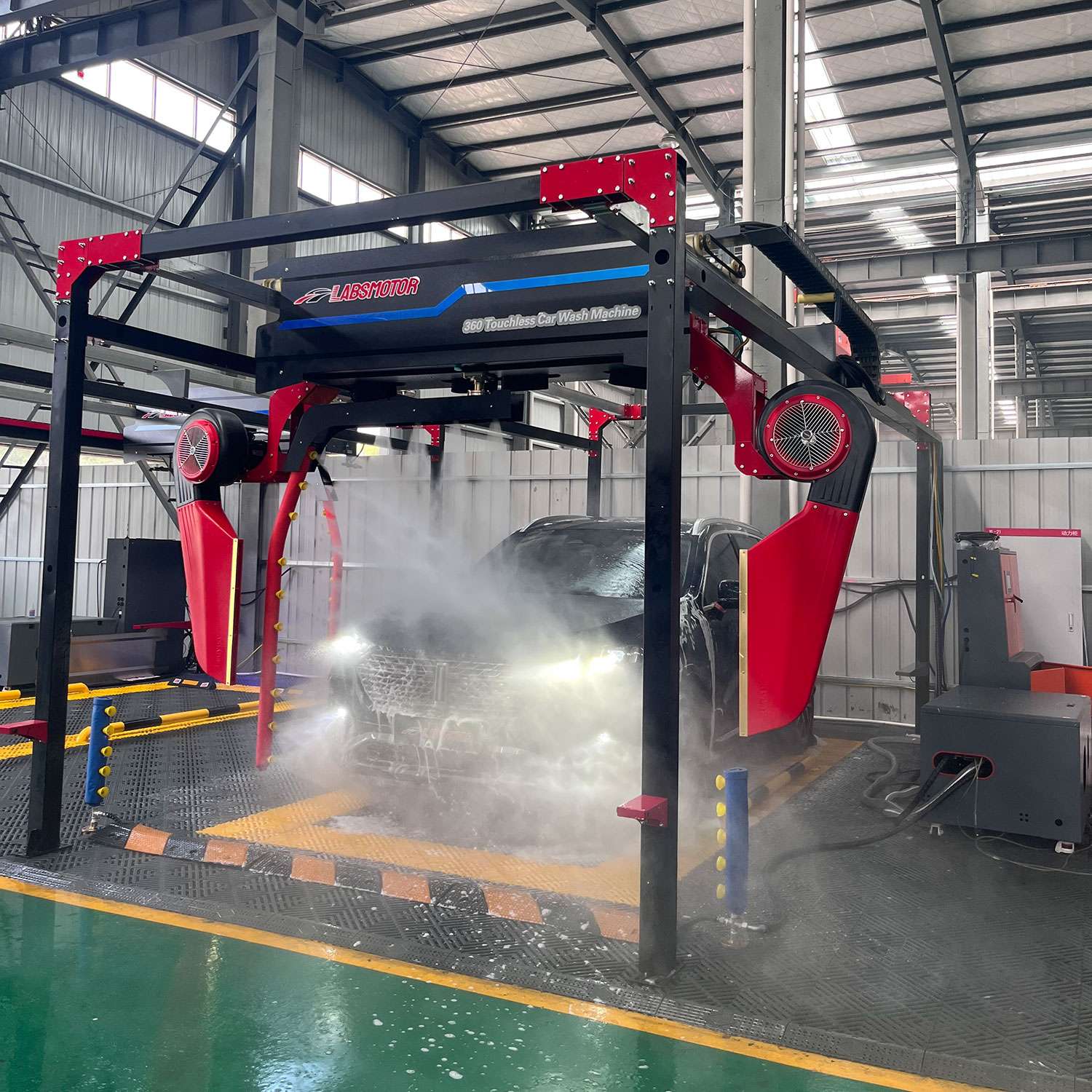
How Touch-Free Car Wash Systems Work?
A touch-free car wash system cleans vehicles using high-pressure water jets and specialized cleaning solutions. Unlike traditional car washing methods, it does not require physical contact tools such as brushes or sponges. Instead, it relies on a combination of high-pressure water and chemical cleaners to get the job done.
Specifically, the typical workflow of a touch-free car wash includes the following steps:
Pre-Wash Stage: High-pressure water is used to rinse off loose debris like sand, dust, and larger particles from the vehicle’s surface, preparing it for a deeper clean.
Application of Cleaning Solution: A dedicated car wash soap is evenly sprayed over the vehicle. This solution usually contains detergents, lubricants, and dirt-loosening agents that help break down stubborn grime.
High-Pressure Rinse: High-pressure water is applied again to wash away the cleaning solution along with the dissolved dirt, ensuring no residue remains.
Drying: Some touch-free car washes are equipped with an air dryer system that uses powerful blowers to remove water droplets from the surface. In other cases, the vehicle may be hand-dried by staff.
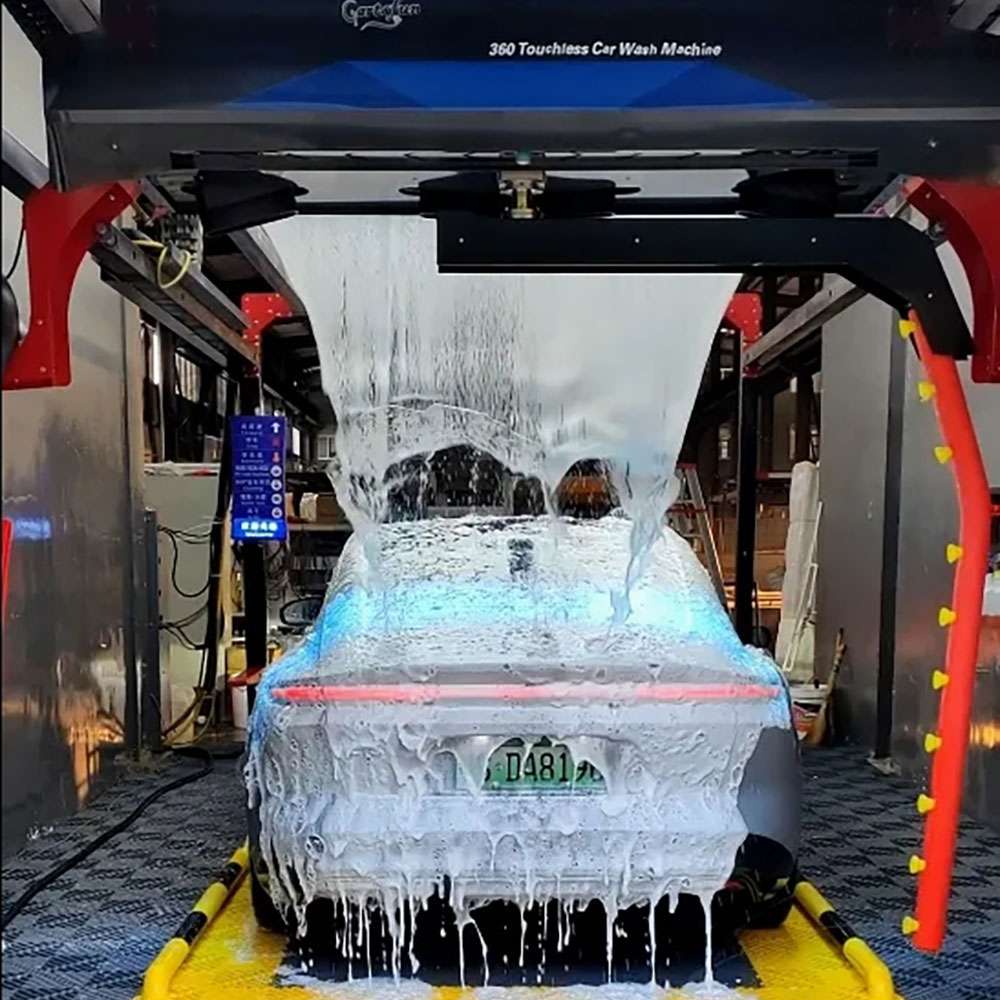
Cleaning Performance of Touch-Free Car Washes
The cleaning effectiveness of a touch-free car wash depends on several factors:
High-Pressure Water Force: The pressure of the water is key to removing surface dirt. Higher pressure generally leads to better cleaning, but excessive force could risk damaging the paint. Therefore, touch-free systems are designed to balance cleaning power with safe pressure levels.
Quality of the Cleaning Solution: Specialized car wash chemicals effectively break down oil stains, bug splatter, tree sap, and other tough residues. A high-quality solution not only cleans well but also helps protect the paint from scratches and corrosion.
Precision of the Equipment: The design of the spray nozzles and the angle of water jets affect how evenly the vehicle is cleaned. A well-designed system ensures water reaches every part of the car, leading to more thorough cleaning.
In practice, touch-free car washes perform well in removing most common types of dirt—especially dust and loose grime—quickly and efficiently. With the right cleaning solution, they can also handle more stubborn contaminants like oil and bug residues effectively.
Advantages of Touch-Free Car Washes
Paint Protection: Since no brushes or sponges make physical contact with the car, the risk of scratches or swirl marks is minimized. This makes touch-free systems ideal for luxury vehicles or owners who are particularly concerned about preserving their car’s finish.
Efficiency and Convenience: A touch-free wash is usually completed in just a few minutes, making it a great option for those short on time.
Water-Efficient and Eco-Friendly: Many touch-free systems use water recycling technology, which helps conserve water and reduce wastewater discharge, making them an environmentally friendlier choice.
Limitations of Touch-Free Car Washes
Despite their advantages, touch-free car washes do have certain limitations:
Limited Deep Cleaning: Areas such as tight body gaps, wheel wells, and intricate parts of the wheels may not be cleaned as thoroughly compared to hand washing. Extremely stubborn grime might require multiple wash cycles or supplementary hand wiping.
Dependence on Cleaning Chemicals: The cleaning result relies heavily on the quality and effectiveness of the detergent. Poor-quality solutions can lead to subpar cleaning.
Incomplete Drying: Some touch-free systems may not fully dry the vehicle, especially in crevices and recessed areas, which might leave water spots and require additional hand drying.
How to Improve the Cleaning Results of a Touch-Free Car Wash?
To help a touch-free car wash achieve a more thorough clean, consider the following:
Regular Equipment Maintenance: Ensure that high-pressure nozzles and sprayers are in good working condition to prevent reduced performance due to wear and tear or clogging.
Choose High-Q Cleaning Solutions: Opt for detergents with strong cleaning power that are also safe for your car’s paint.
Supplement with Manual Cleaning: For areas that are hard to reach with a touch-free system, follow up with hand wiping or use specialized tools for detailed cleaning.
Conclusion
Overall, touch-free car wash systems perform well in removing most common types of surface dirt—especially dust and loose contaminants—quickly and effectively. Their advantages, including paint protection, speed, convenience, and eco-friendliness, make them a popular choice for many car owners.
That said, touch-free systems may fall short in cleaning hard-to-reach spots like body gaps and wheel insides, as well as with particularly stubborn stains. Therefore, while a touch-free car wash is an effective solution for routine cleaning, a more thorough or deep clean may still require manual assistance or traditional washing methods.
For car owners, choosing a touch-free car wash should depend on individual needs and the condition of the vehicle. If you prioritize speed and convenience and do not require intensive cleaning, a touch-free system is an excellent option. However, if your vehicle hasn’t been washed in a long time or has heavy buildup, combining touch-free washing with occasional hand washing or deep cleaning is recommended to keep your car looking its best.
Get In Touch With Us



 English